Valentino Clemente Ludovico Garavani was born in 1932 in Voghera, a small town in northern Italy. From an early age, he knew his future was tied to fashion. He trained in Paris—at the École des Beaux-Arts and the Chambre Syndicale de la Couture—and worked at houses such as Jean Dessès and Guy Laroche, where he learned the architecture of the garment and the rigor of French haute couture.
That education would permanently shape his understanding of fashion: classic luxury, perfect proportion, and an almost religious obsession with detail.
His death does not only mark the farewell of one of the great names of the 20th century. It also represents the closing point of a cultural model of luxury that today is practically unviable within the current fashion system. Talking about Valentino and his career is a way of understanding how the fashion system has changed—and what has been lost along the way.
Rome, the 1960s & the birth of an icon
In 1960, he founded Valentino in Rome alongside his business partner and life companion, Giancarlo Giammetti, a key figure in building the brand’s business structure. The major turning point came in 1962 with his show at Palazzo Pitti in Florence: international critics were won over, and Valentino officially entered the global haute couture circuit.
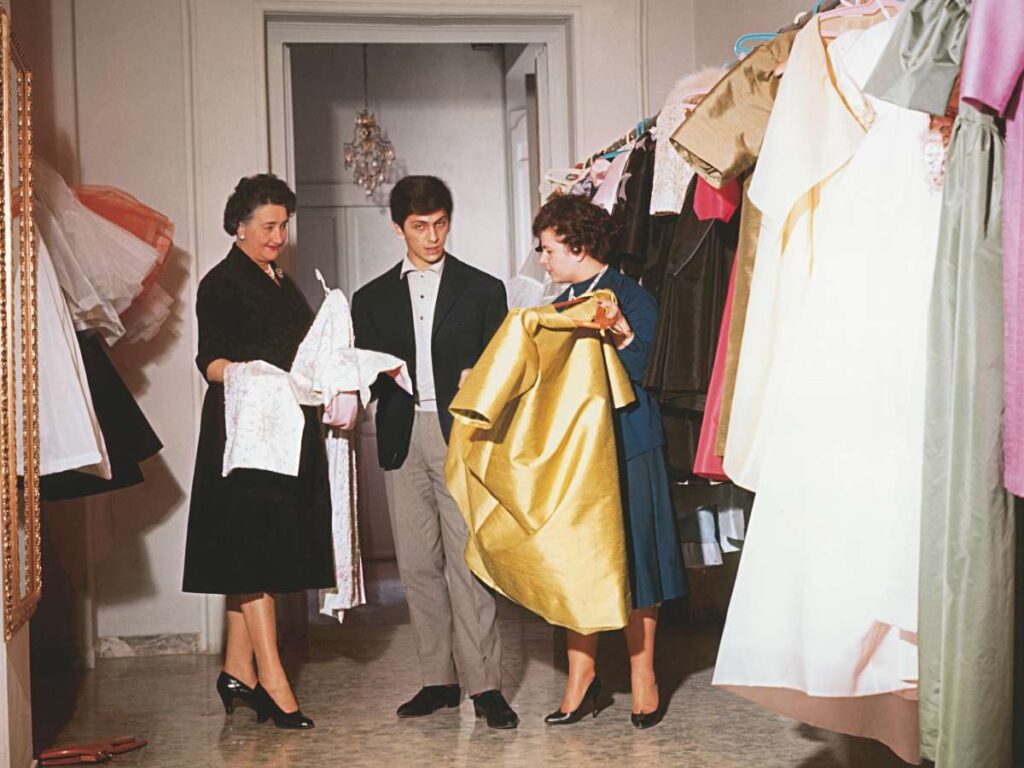
Valentino did not build his myth from Paris, but from Rome—and that distinction is crucial. In contrast to French fashion—more conceptual and intellectualized—Valentino proposed a deeply Italian idea of luxury: sensual, classical, emotional, and monumental.
A designer before the “creative director”
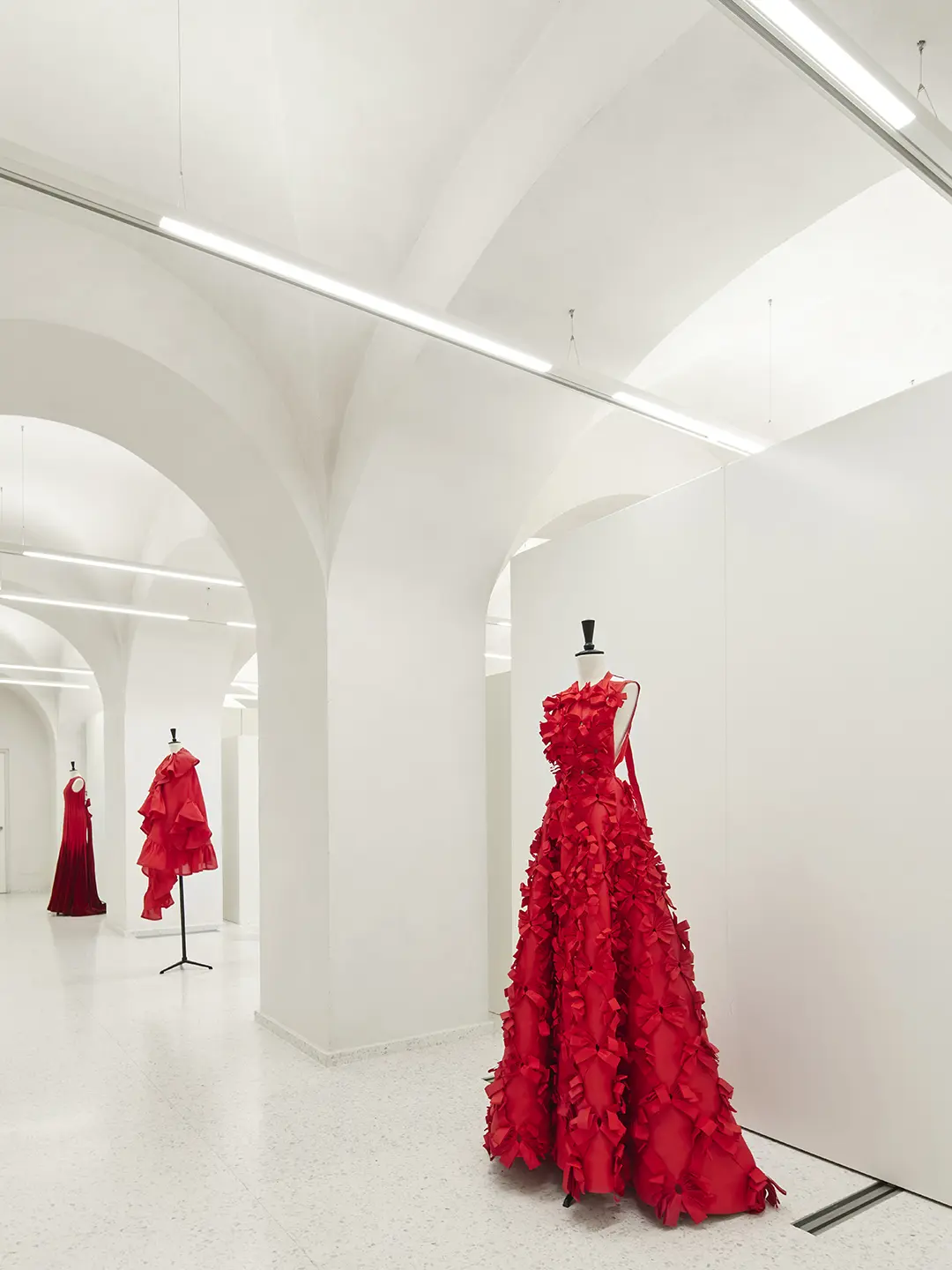
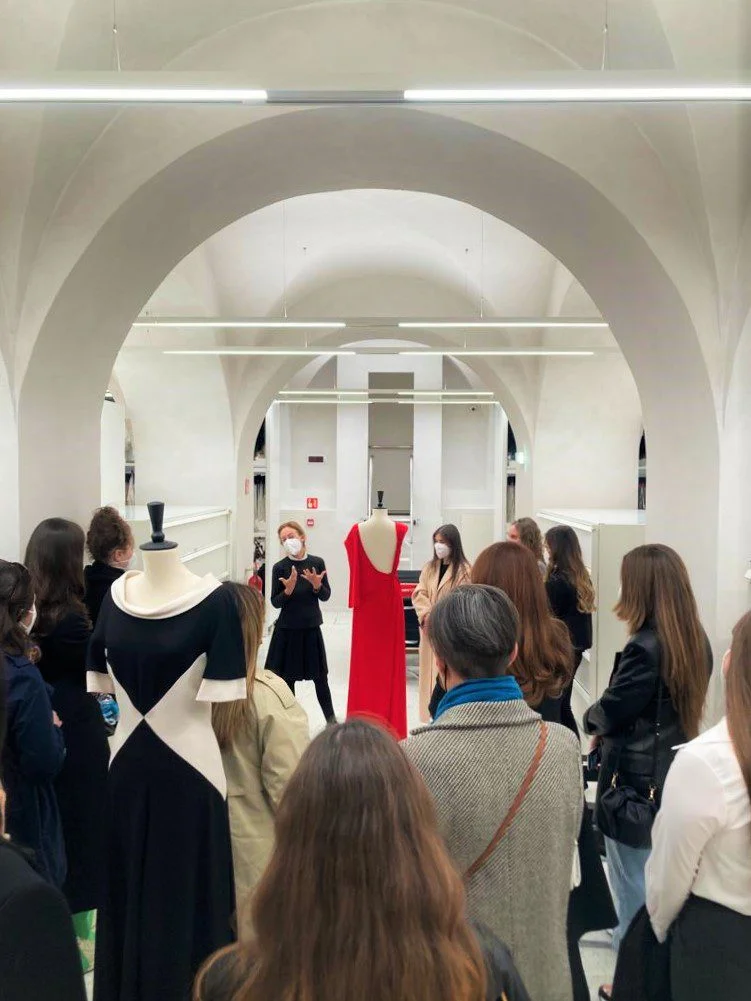
Valentino belonged to a generation that predated the figure of the creative director as we understand it today. There were no constant rotations, no repositioning every two seasons, and no need to justify each collection with a cultural or political narrative.
His work rested on three very clear pillars: a stable aesthetic identity, universally recognizable codes, and technical excellence in design.
Red Valentino: branding before branding
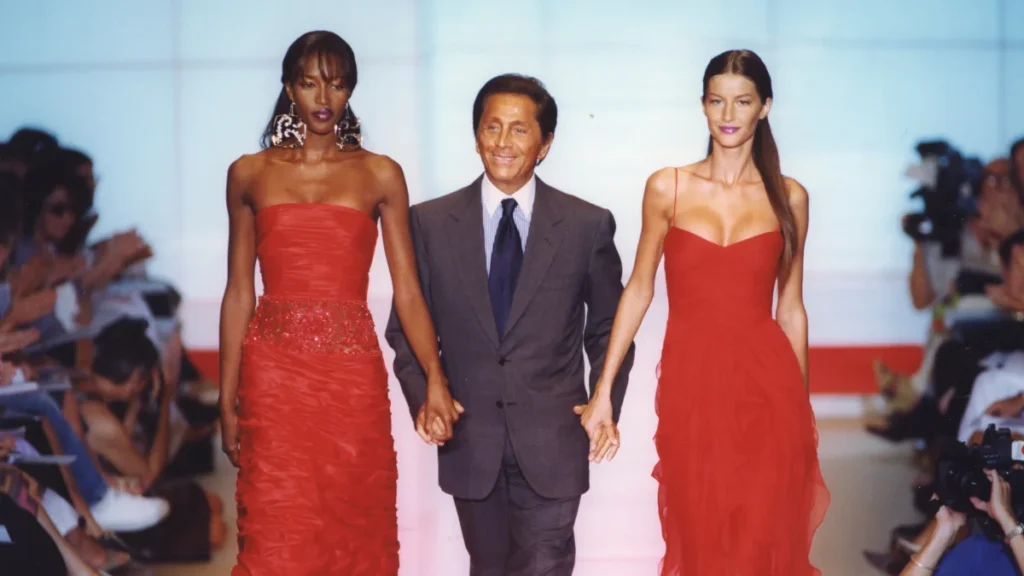
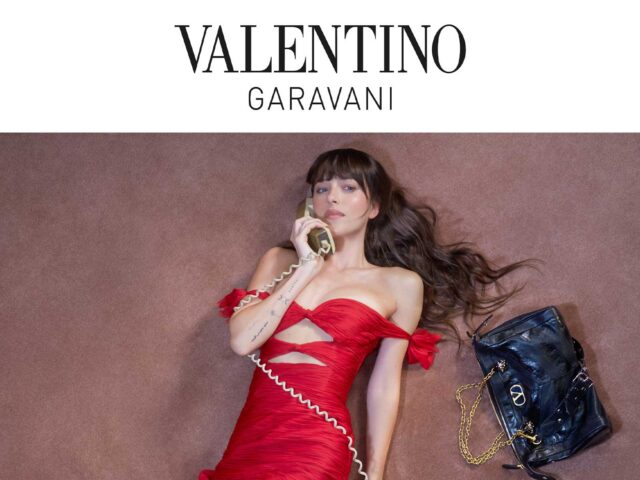
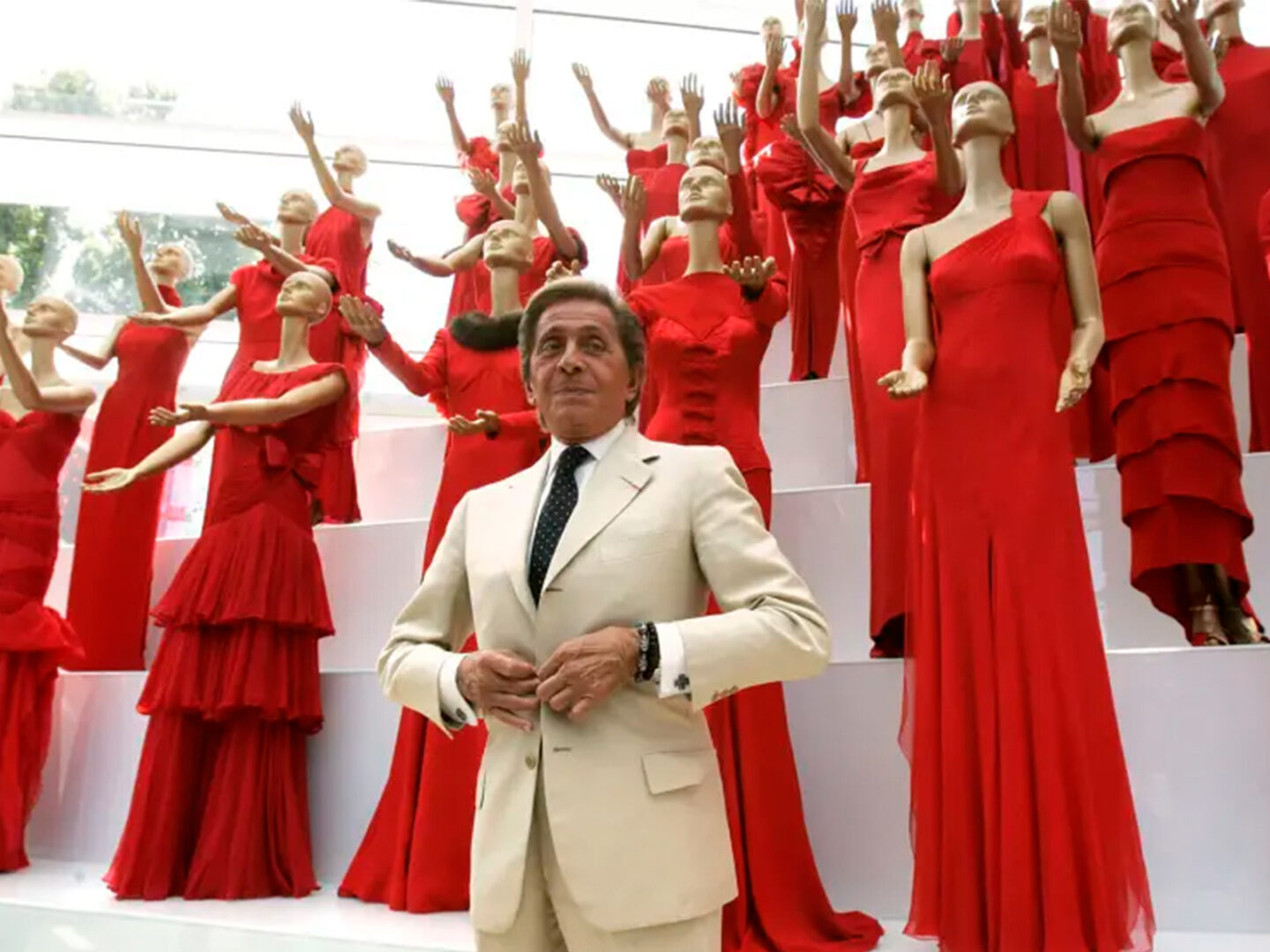
The famous Valentino red was not just an aesthetic choice, but a highly advanced identity operation for its time. In decades when there was no obsession with instant recognition or branding, Valentino created an unmistakable visual code.
This is where his most recognizable signature was born: Valentino red—a precise, theatrical, emotional shade that became a chromatic signature and a symbol of power and femininity.
Dress women, no trends
Valentino dressed women who understood clothing as a political, social, and cultural language. His designs did not ask for attention—they demanded it. Jackie Kennedy, Audrey Hepburn, Elizabeth Taylor, Sophia Loren… all icons of their time, all embodying beauty as an absolute value. Valentino reinforced this through work defined by impeccable technique and an almost religious respect for craftsmanship.
The Last Emperor of Haute Couture
In 2008, he presented his final haute couture show and officially retired. Valentino stepped away when his legacy was already incontestable. He remained faithful to an almost anachronistic idea of fashion: artisanal workshops, hand embroidery, long production times, and an intimate relationship with the client.
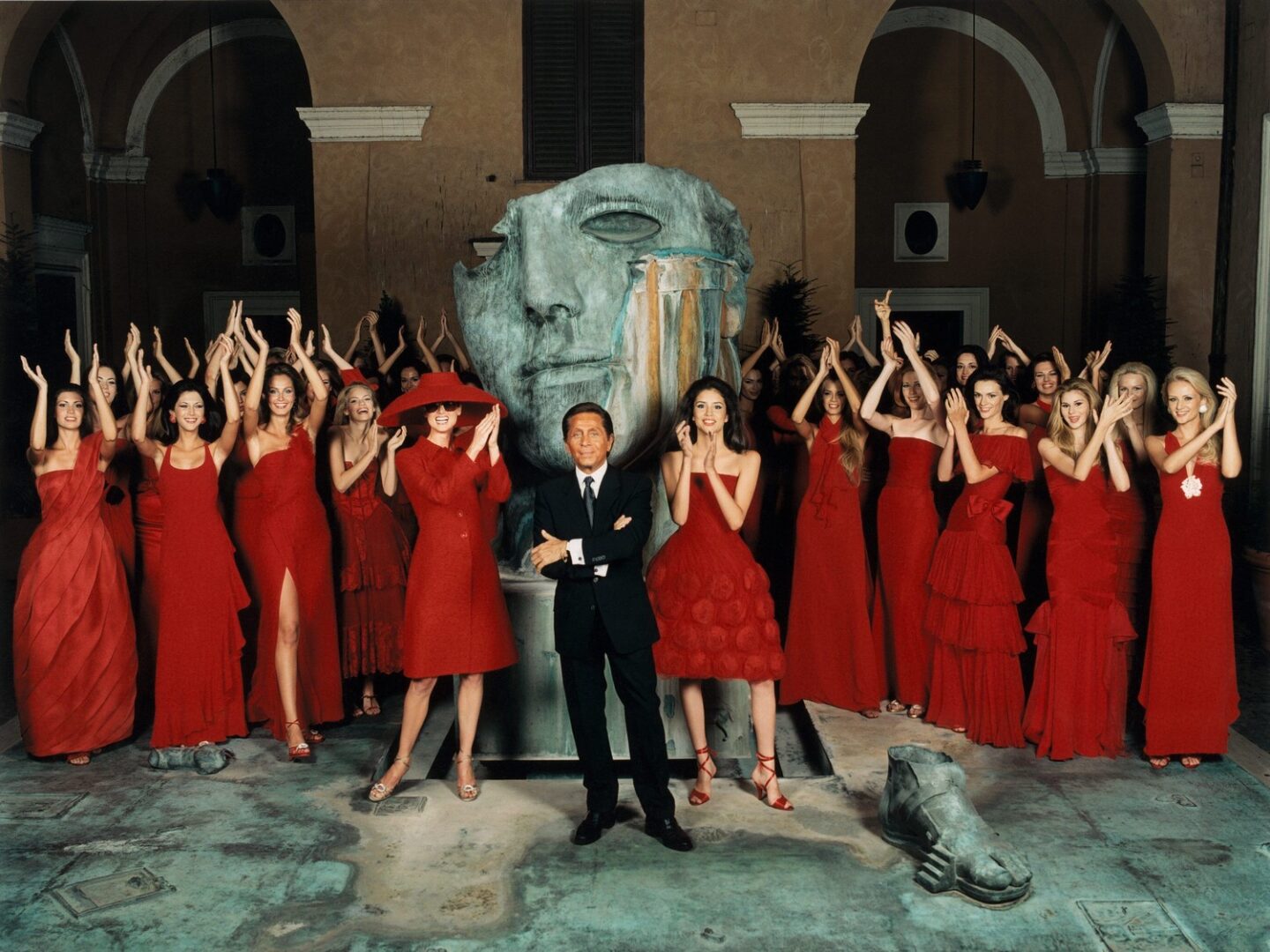
Valentino belonged to a generation that predated concepts such as creative director, brand storytelling, or fashion content. He designed at a time when the center of the business was the product, not the narrative. Today, brands fight to be recognizable in a matter of seconds on a scroll—Valentino had solved the branding problem long before the term became popular. His strength did not lie in provocation or explicit political discourse, but in something far more stable and enduring. While fashion today relies on shifting narratives and short cycles, Valentino built an immutable identity over decades. In branding terms, that is almost impossible today.
The disappearance of Valentino Garavani marks the definitive end of an era in which the designer was an authority in themselves, luxury did not need explanation, storytelling was unnecessary, and fashion did not compete for attention but for legitimacy and credibility through the product itself.
Sigue toda la información de HIGHXTAR desde Facebook, Twitter o Instagram
You may also like...