The 2026 Milan-Cortina Winter Olympics have kicked off and, to no one’s surprise, the opening ceremony was also a catwalk. Because it’s no longer enough to just be warm and appropriate: those seconds on screen are pure gold, and some countries know it… while others just go through the motions without causing a stir.
While many have opted for the safe, correct and uneventful route, Haiti and Brazil have decided that this moment was theirs. With no tradition in winter sports and no complexes, they entered the stadium with a very clear idea: stand out or disappear. And while the rest of the delegations comply, play their part and follow the script, the conversation — the real one — has stayed with them.
Haiti, dressing to make a statement
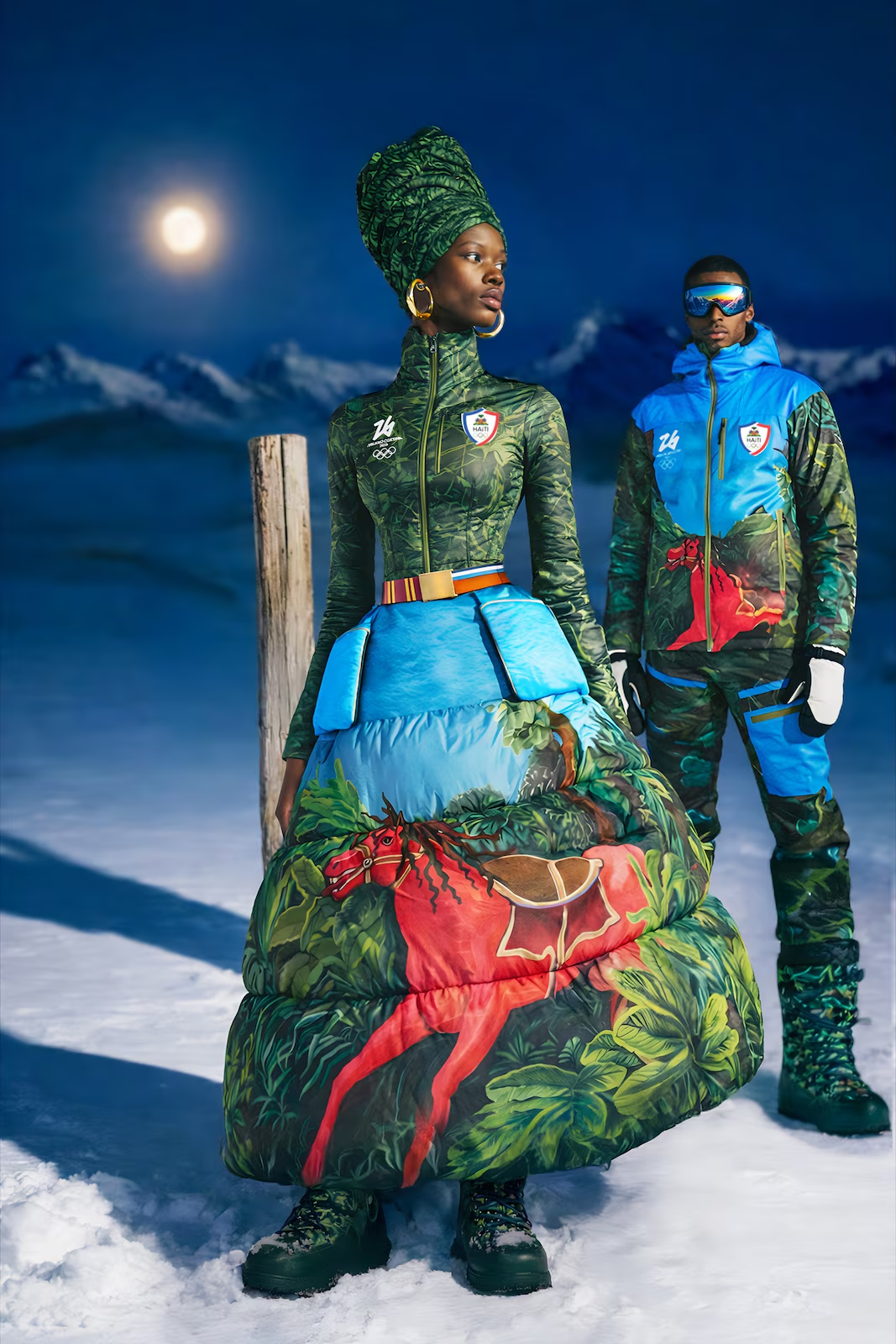
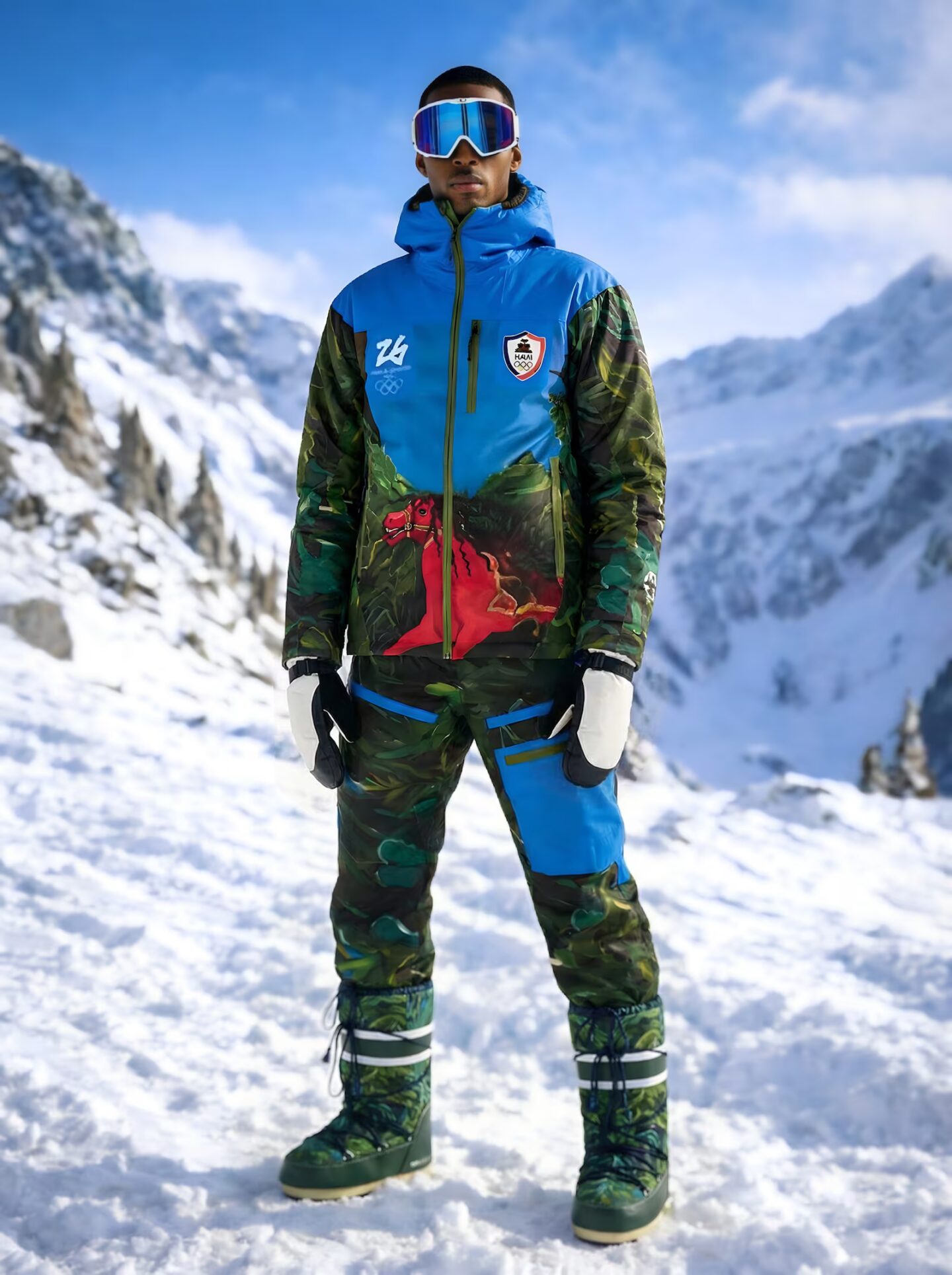
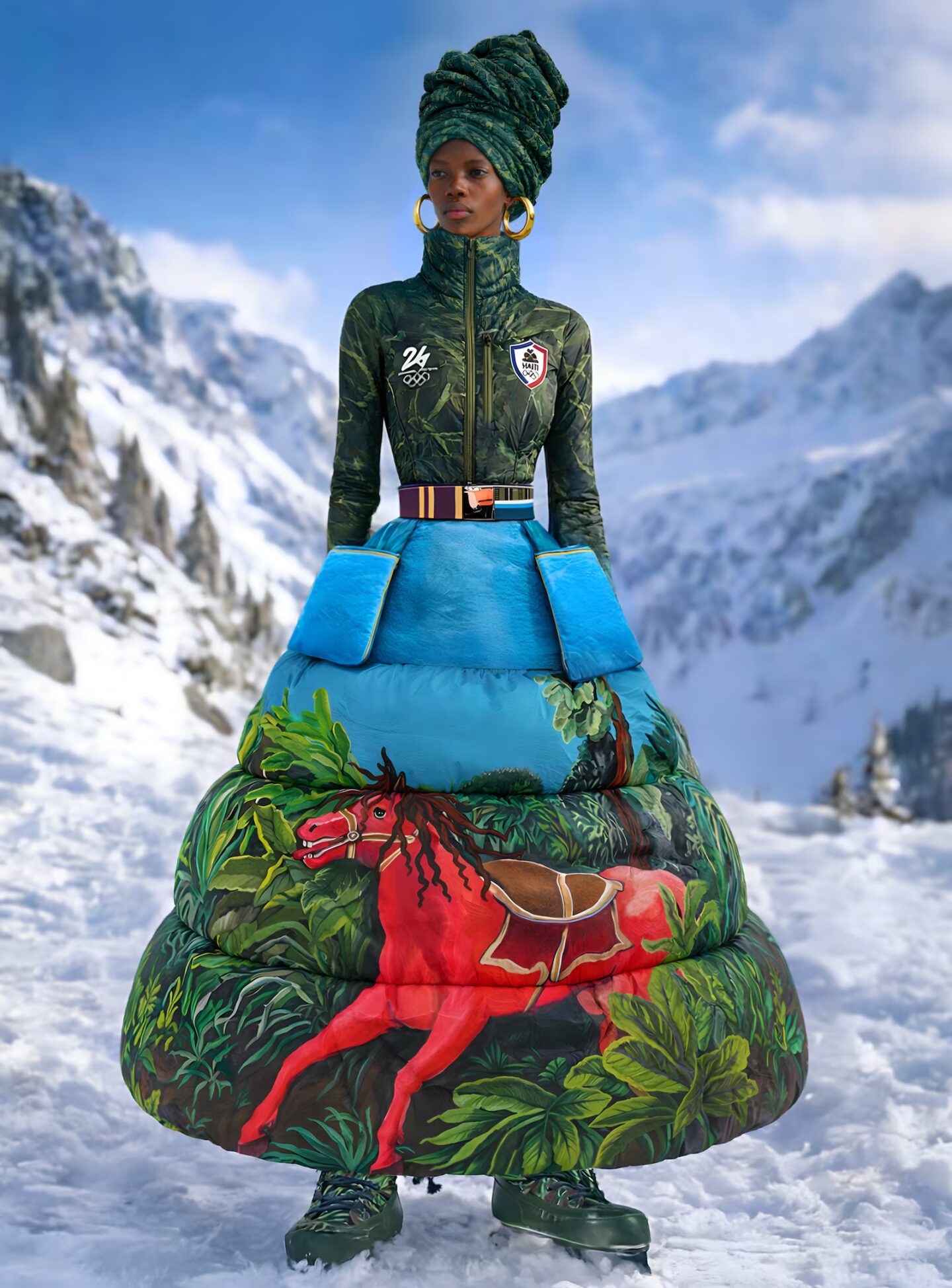
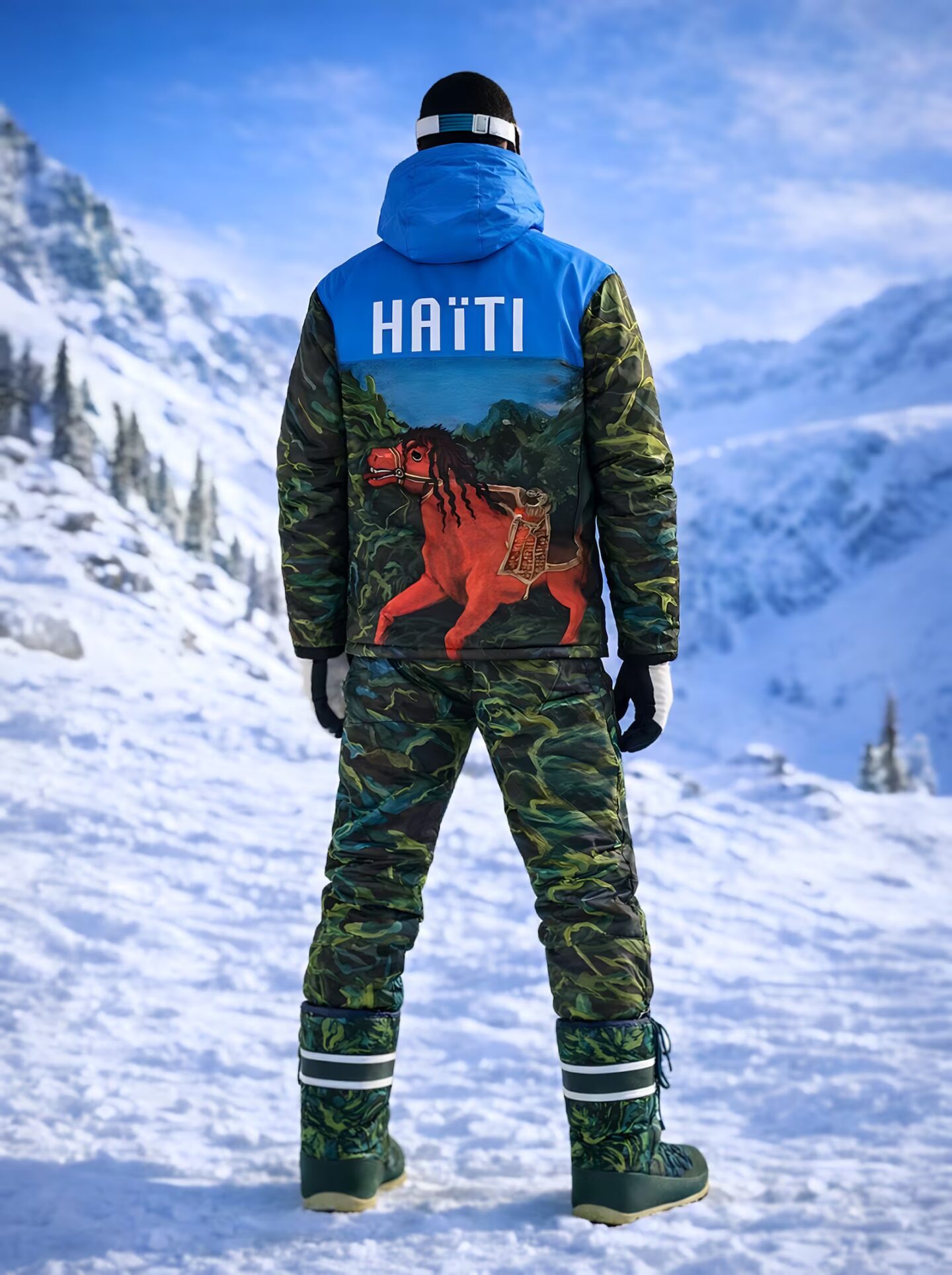
Haiti has done exactly what many avoid doing at the Olympic Games: speak up. And speak up clearly. In an event full of rules, protocols and comfortable silences, Stella Jean’s proposal turns the kit into a visual narrative with historical memory and zero fear of causing discomfort.
Nothing here is placed randomly. The tignon (a scarf or turban used to cover the hair) refers to the history of resistance of Haitian women, the accessories connect with cultural traditions that have survived the test of time, and the volumes reinforce a presence that does not seek to go unnoticed. Even the red horse, now an icon and present after a redesign required by the International Olympic Committee to comply with regulations, functions as a symbol of struggle and emancipation.
It does not seek to please everyone or enter the ‘most beautiful’ ranking. It seeks to exist with intention, to occupy space and to say ‘we are here’. And that is why it has gone viral, not because of technique or trend, but because it generates something much more difficult to achieve today: conversation with content.
Brazil, when silence also dresses
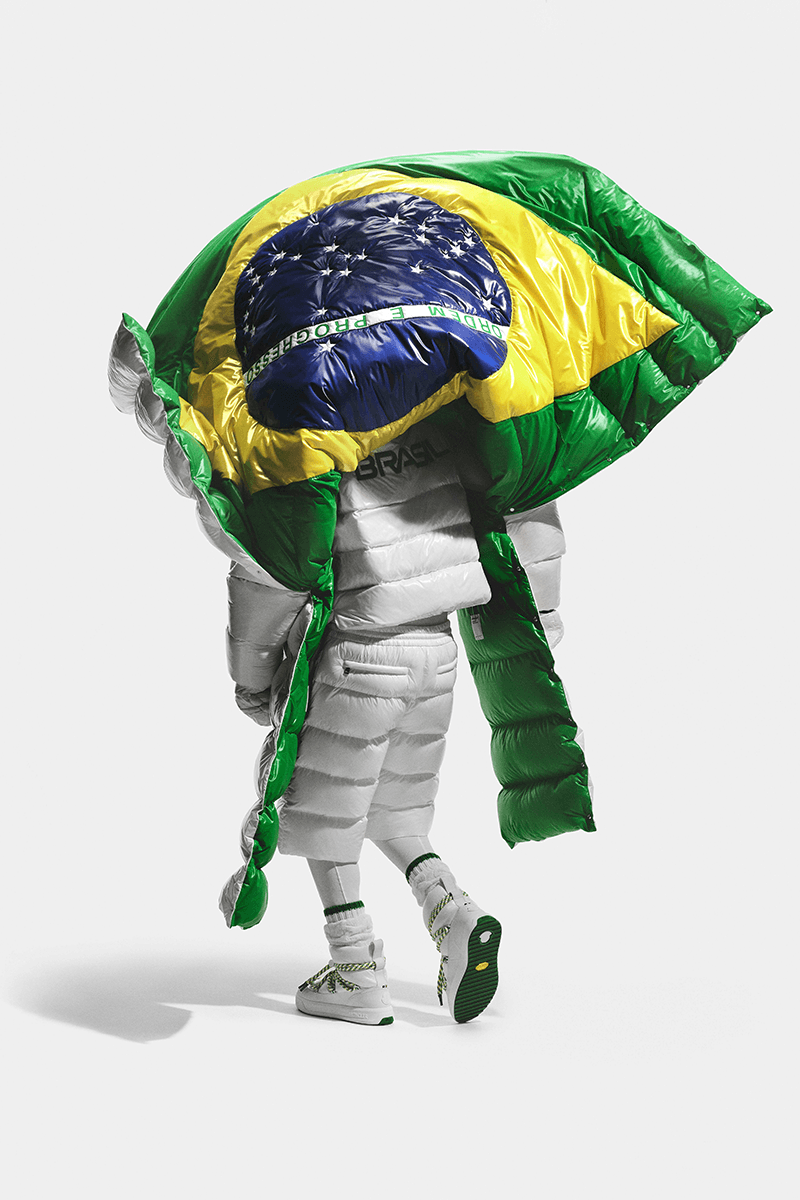
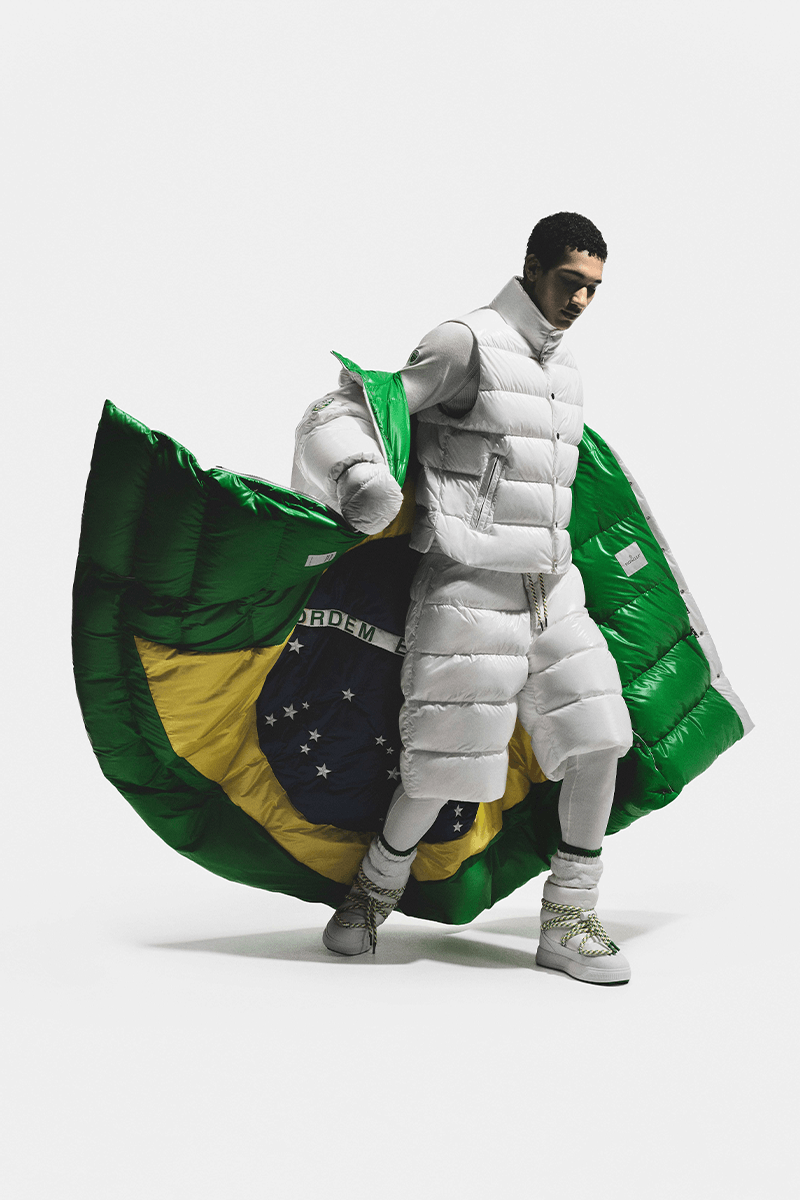
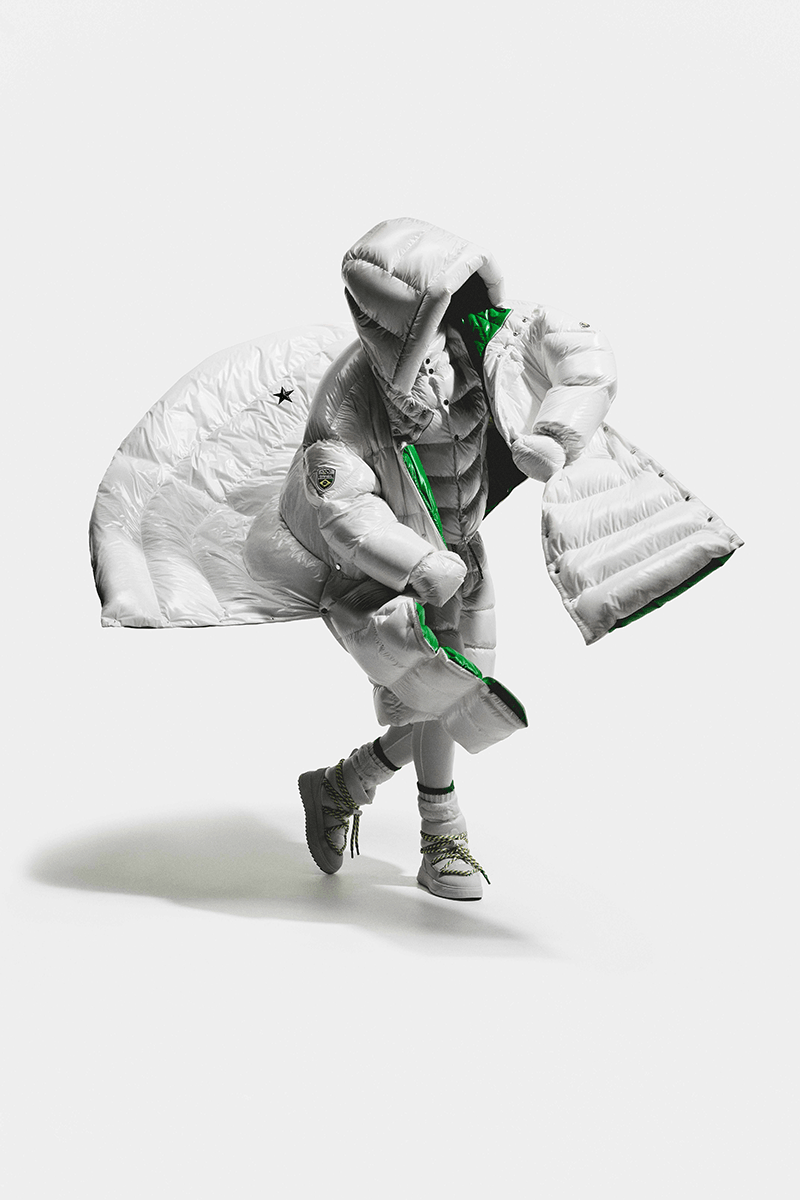
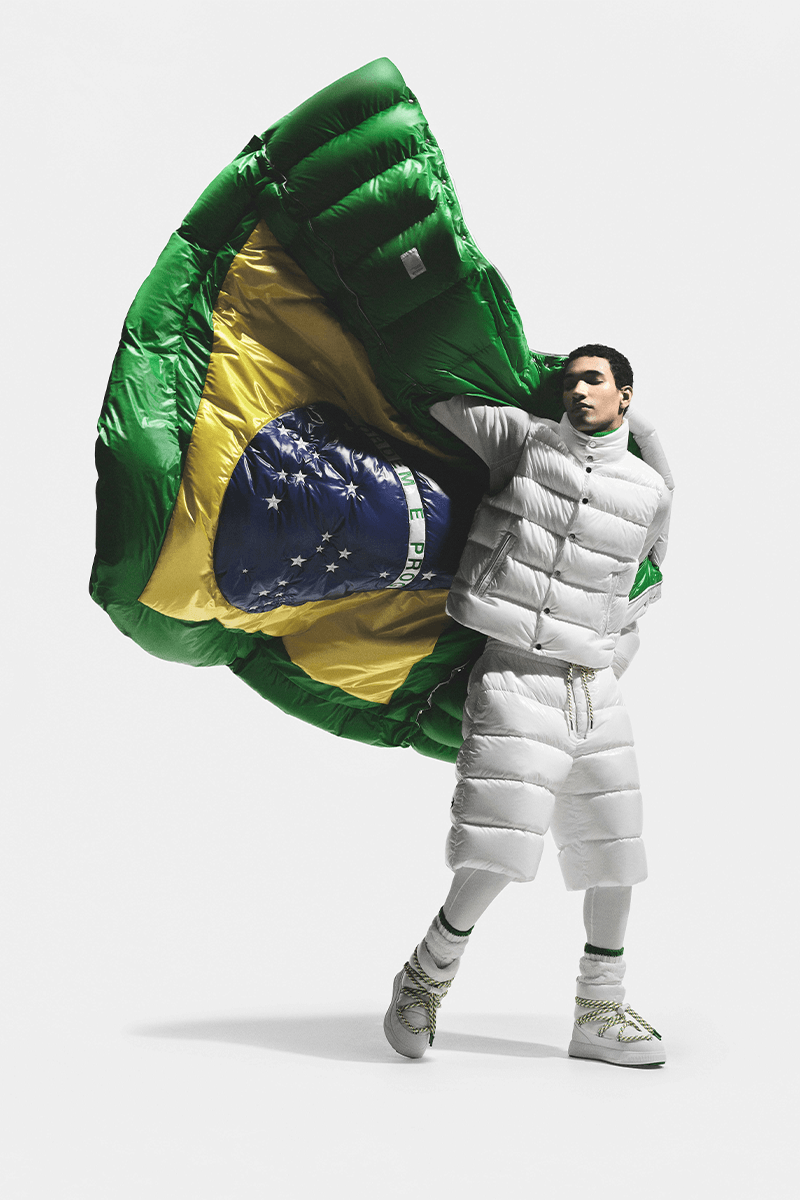
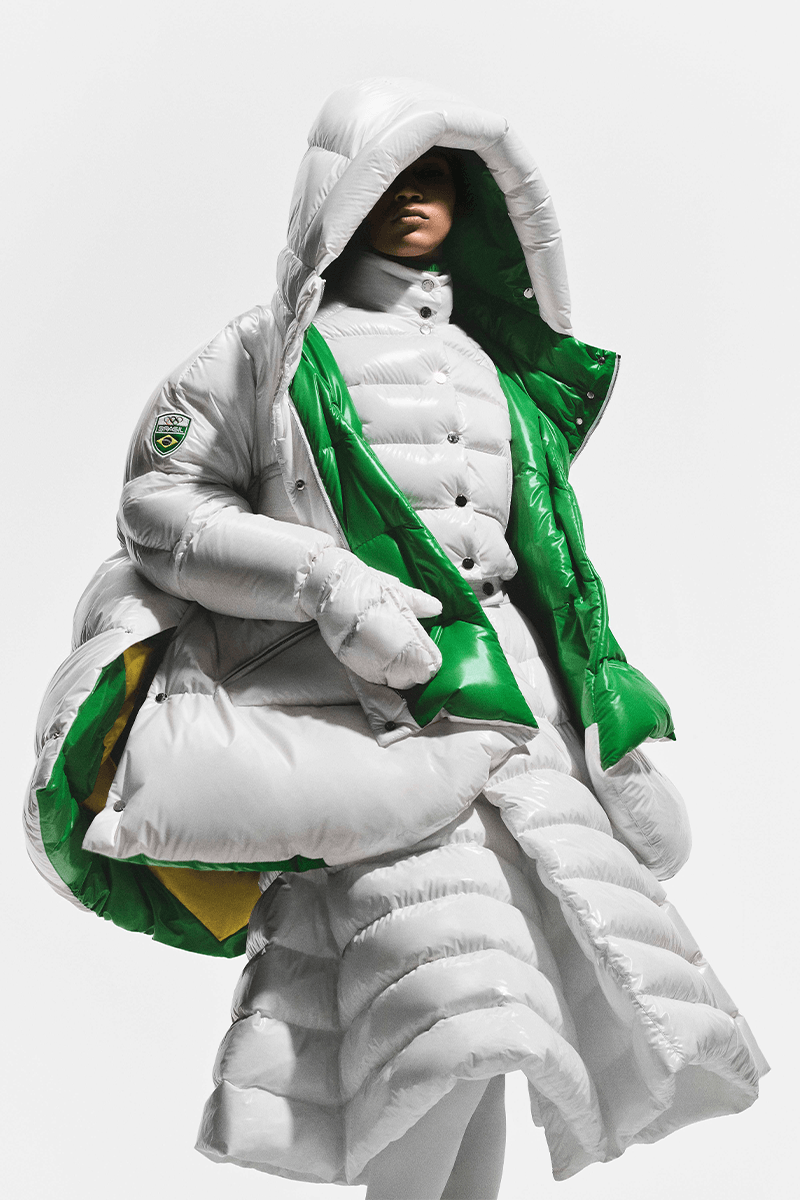
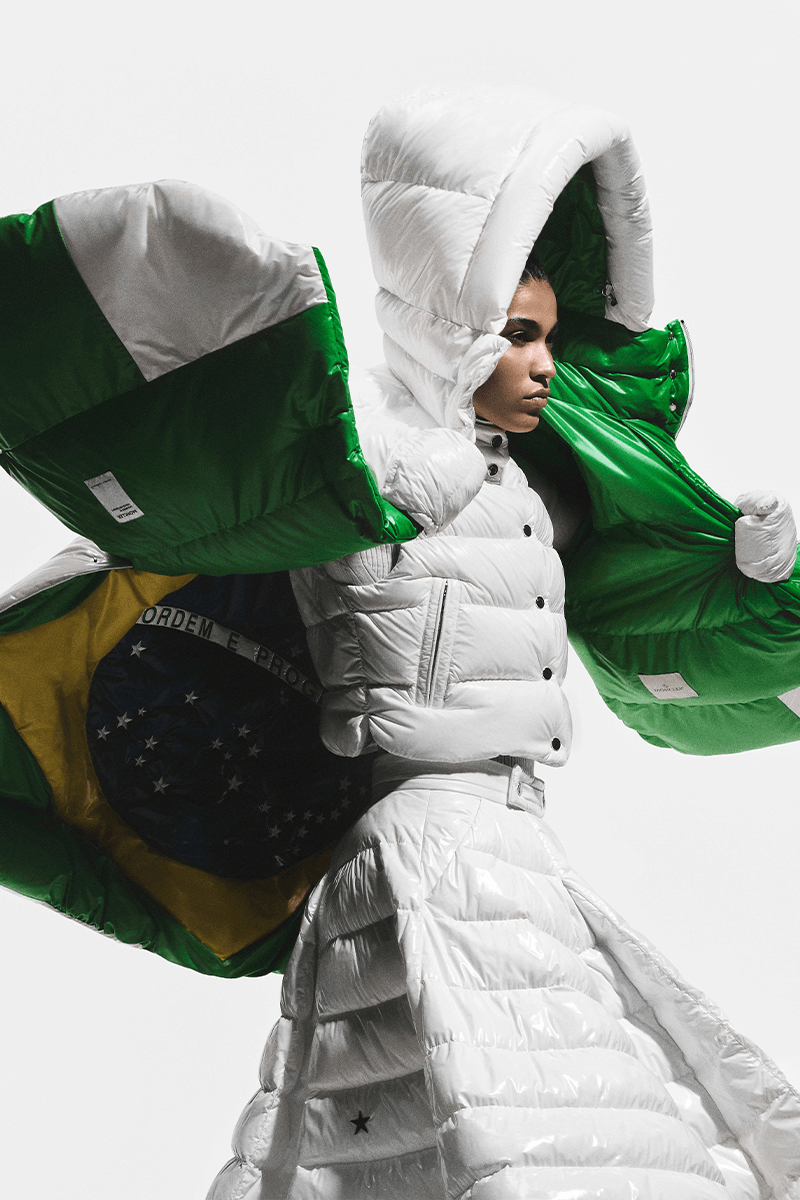
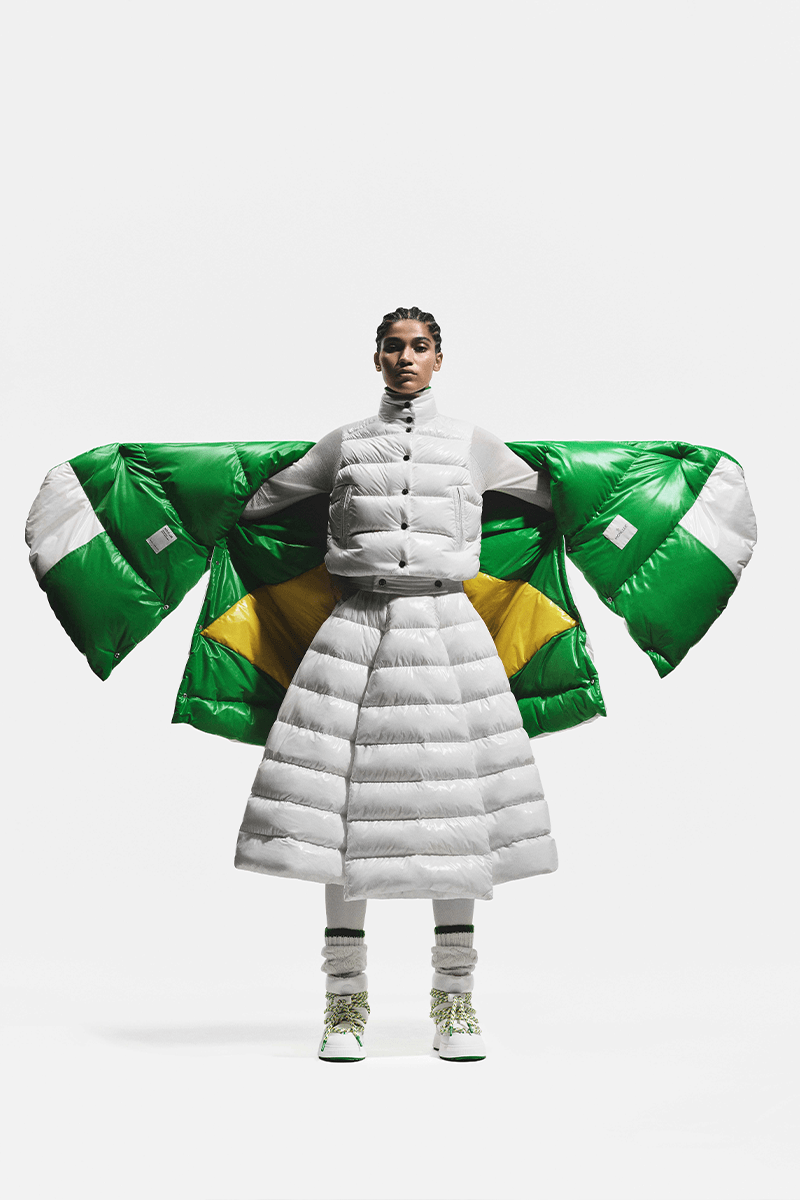
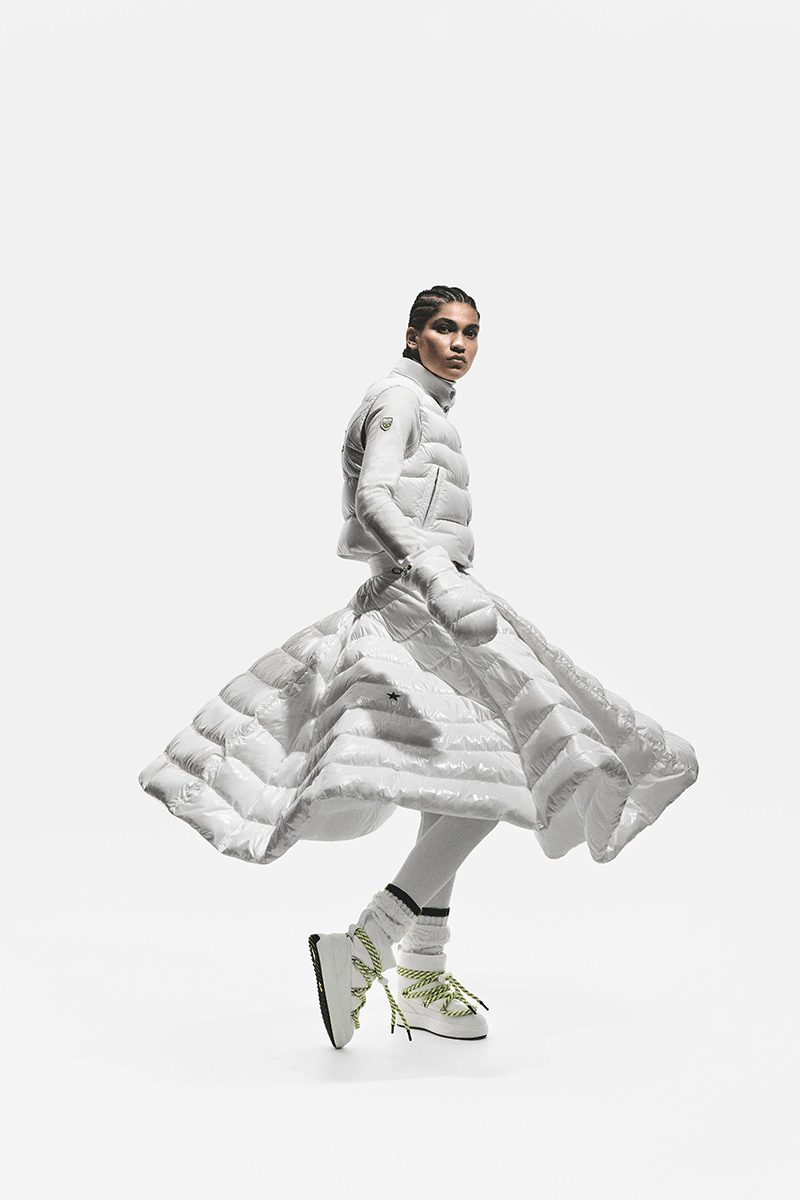
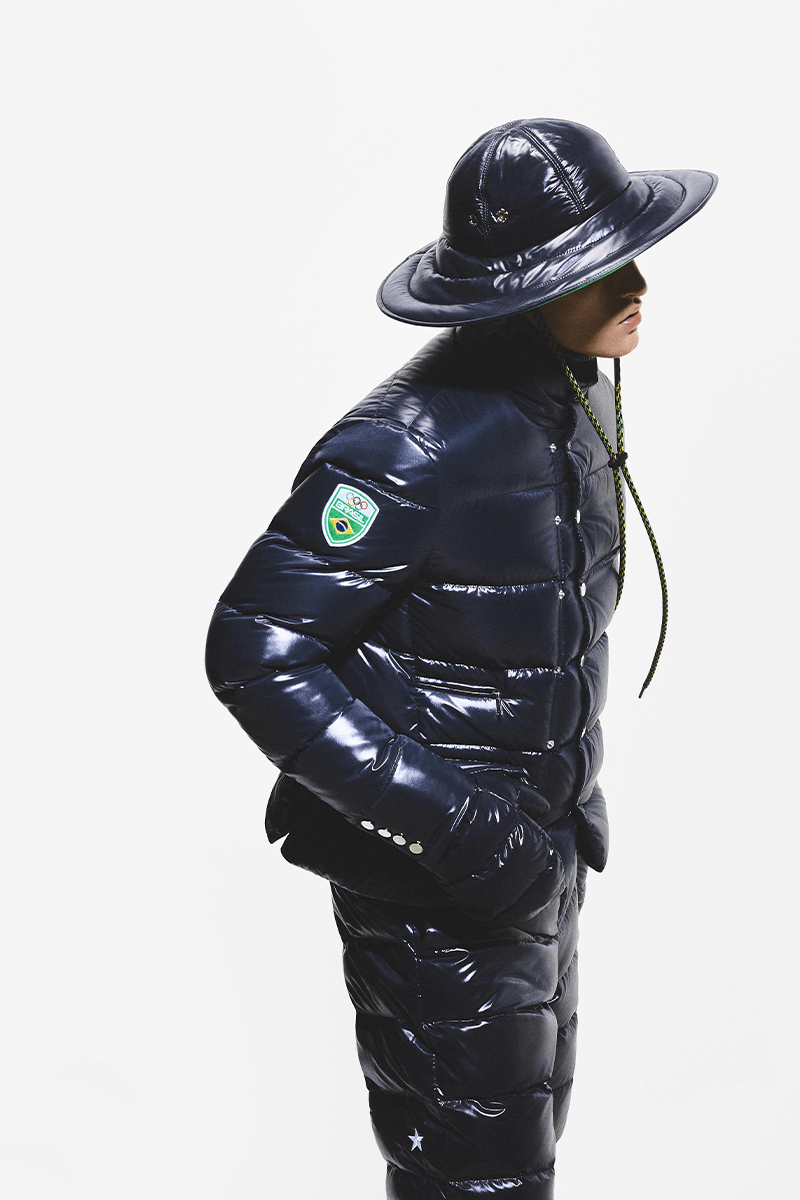
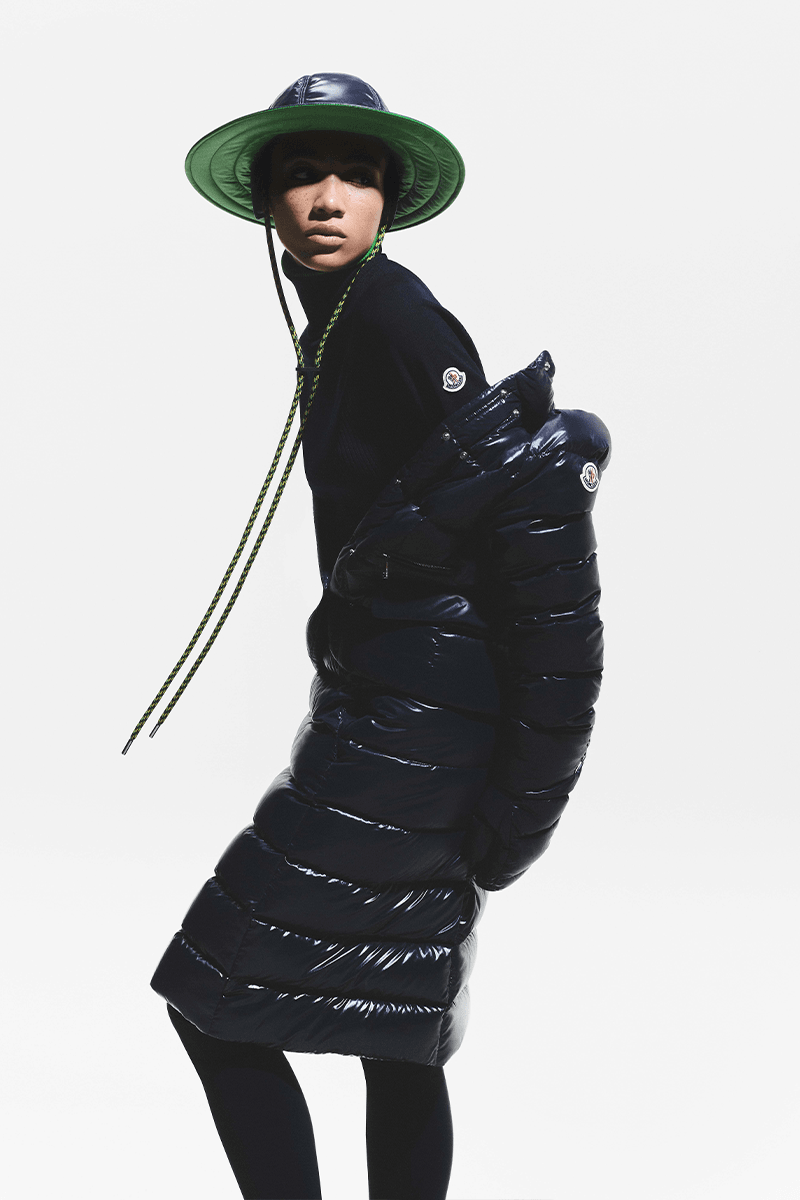
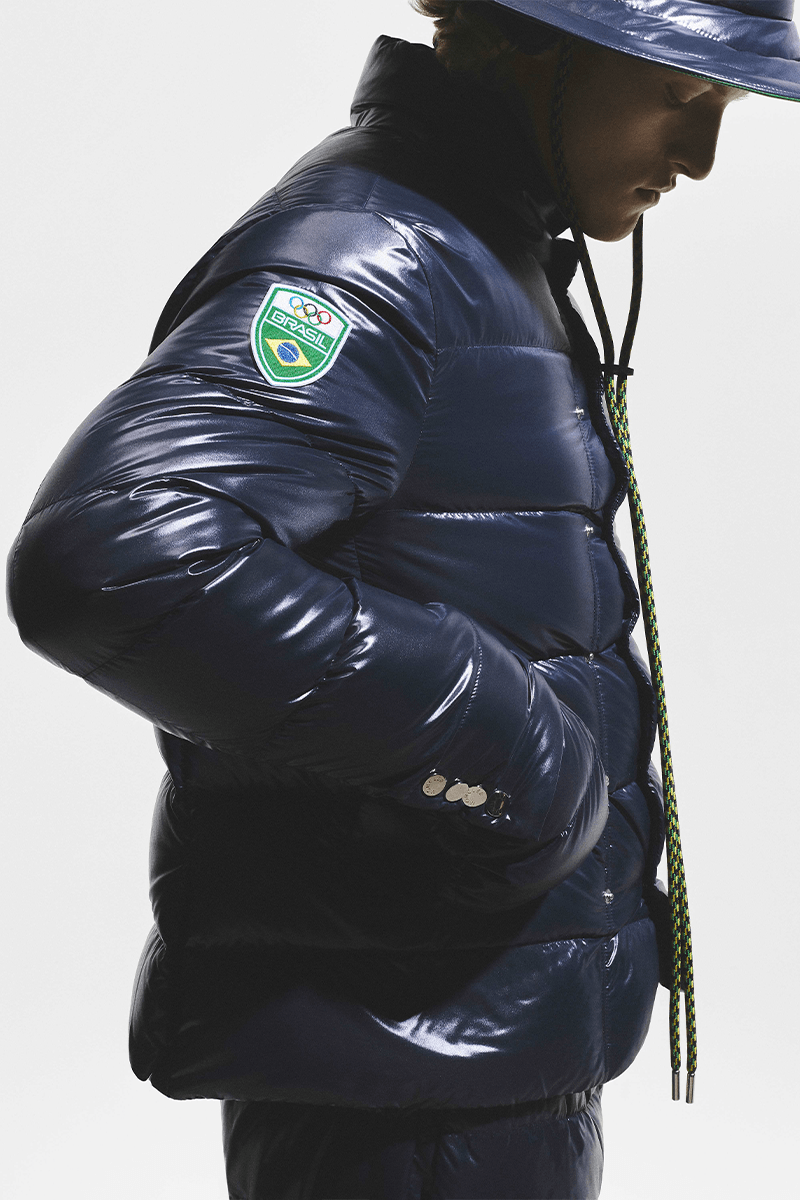
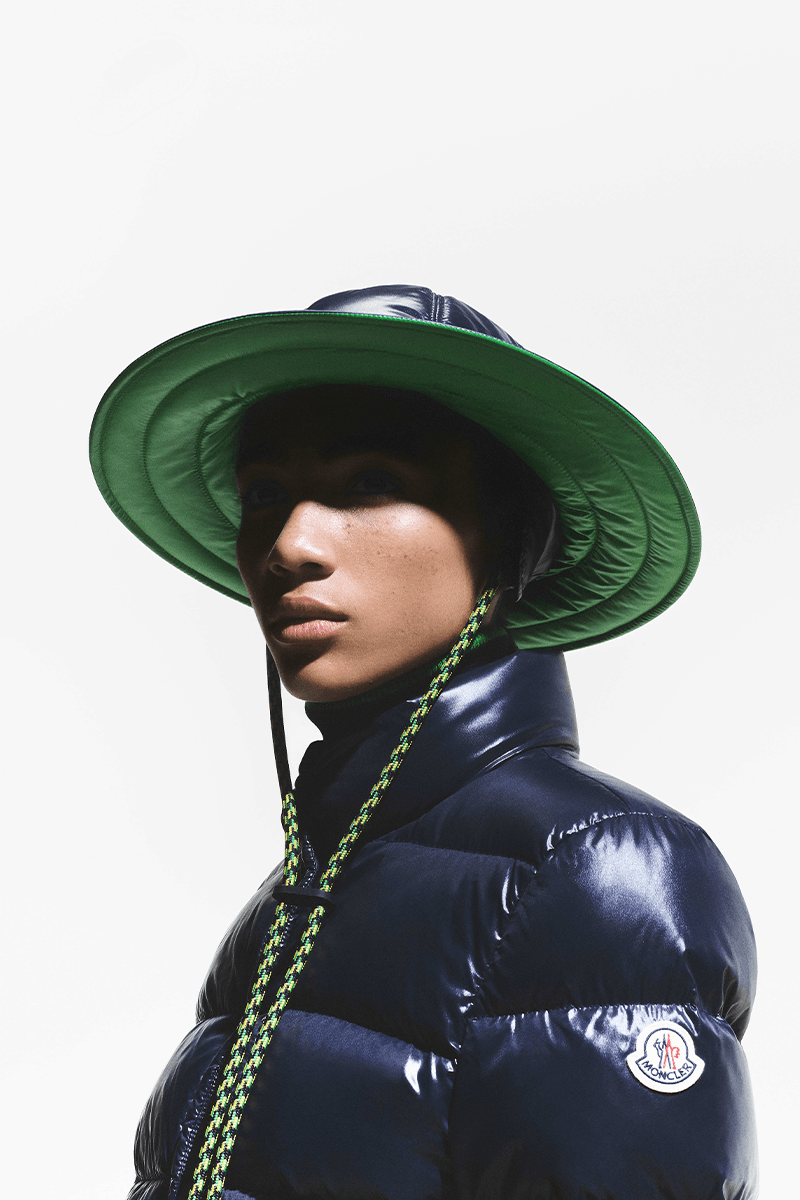
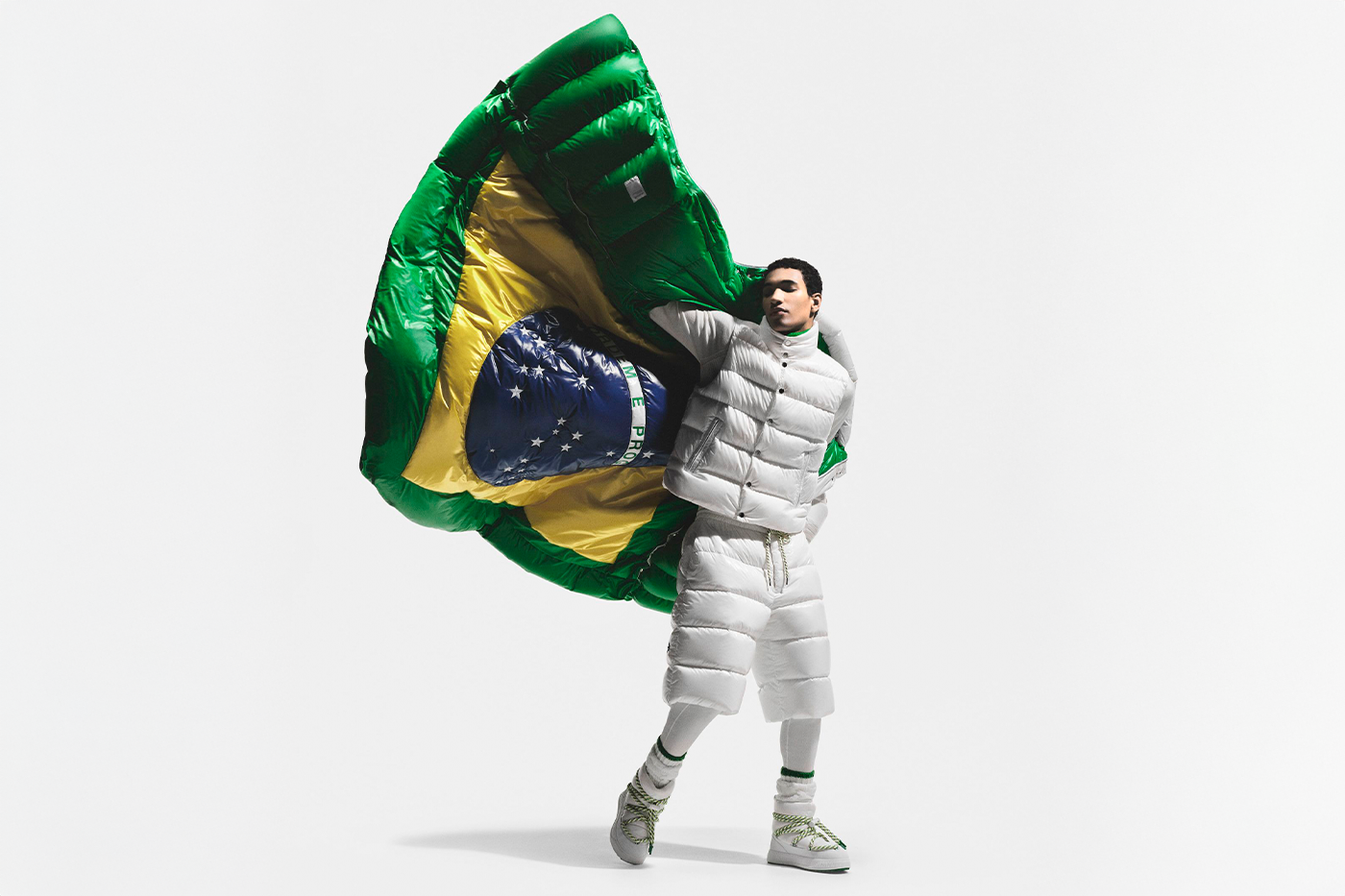
Brazil has decided to play this game from a different angle. Here there are no explicit messages or visual drama, just absolute confidence. The collaboration between Moncler and Oskar Metsavaht focuses on white, precision and a very clear idea of real performance, without the need to explain too much because it is obvious.
This kit stands on its own. The silhouettes are designed to protect the body, but also to convey control and confidence, something that is evident in how the athletes occupy the space. Everything is clean, restrained and measured. Curiously, the most effective gesture is the most discreet: the Brazilian flag is hidden inside the garments and can only be seen when they move.
Brazil is not looking to make headlines by making noise. It enters and positions itself naturally at the centre of the stage. Its virality is different, more measured and aspirational, the kind that is kept as a reference. It does not generate debate, it generates interest. And in a Games where many talk so as not to be diluted, Brazil shows that control can also be a winning strategy.
And the rest of the world?
While Haiti and Brazil dominate headlines and conversation, the other delegations are advancing at a different pace, one that is more predictable, more comfortable and, in many cases, less memorable. It’s not that they are poorly dressed, it’s just that they are playing a different game.
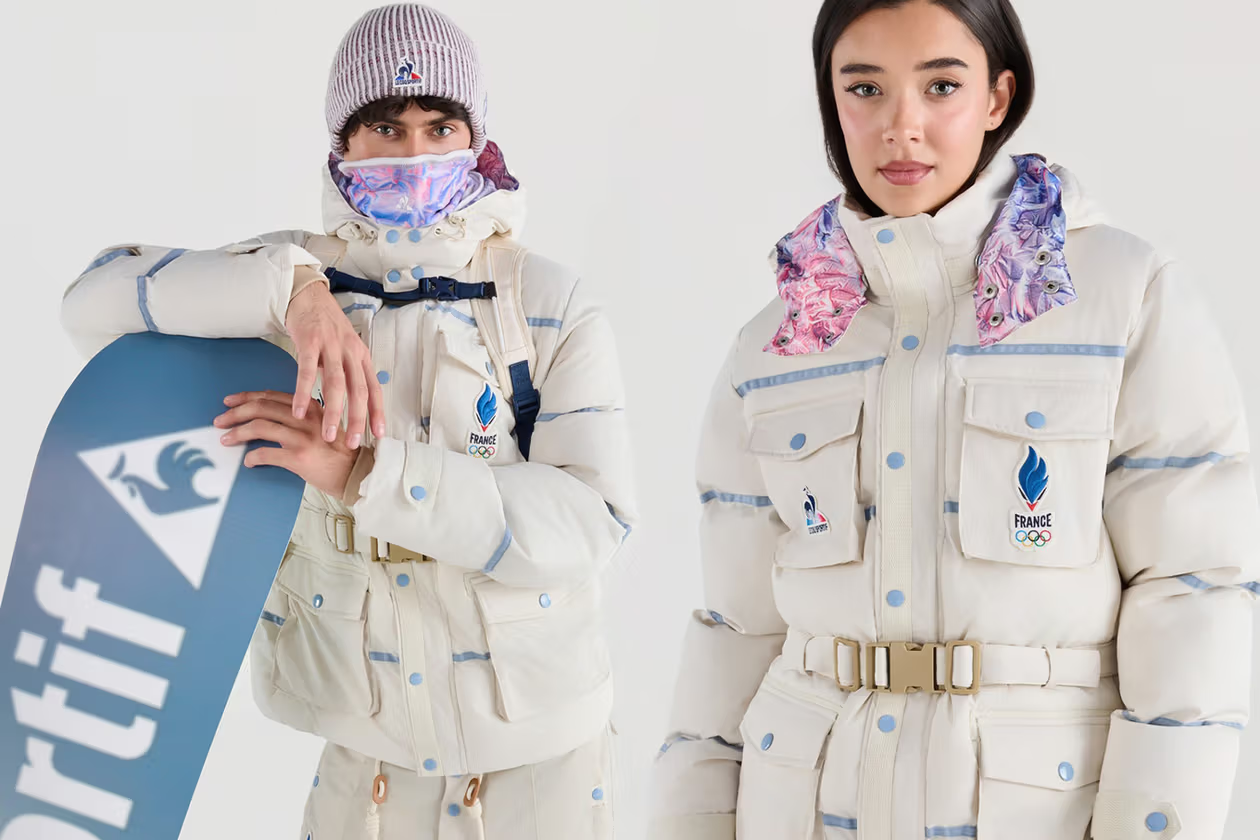
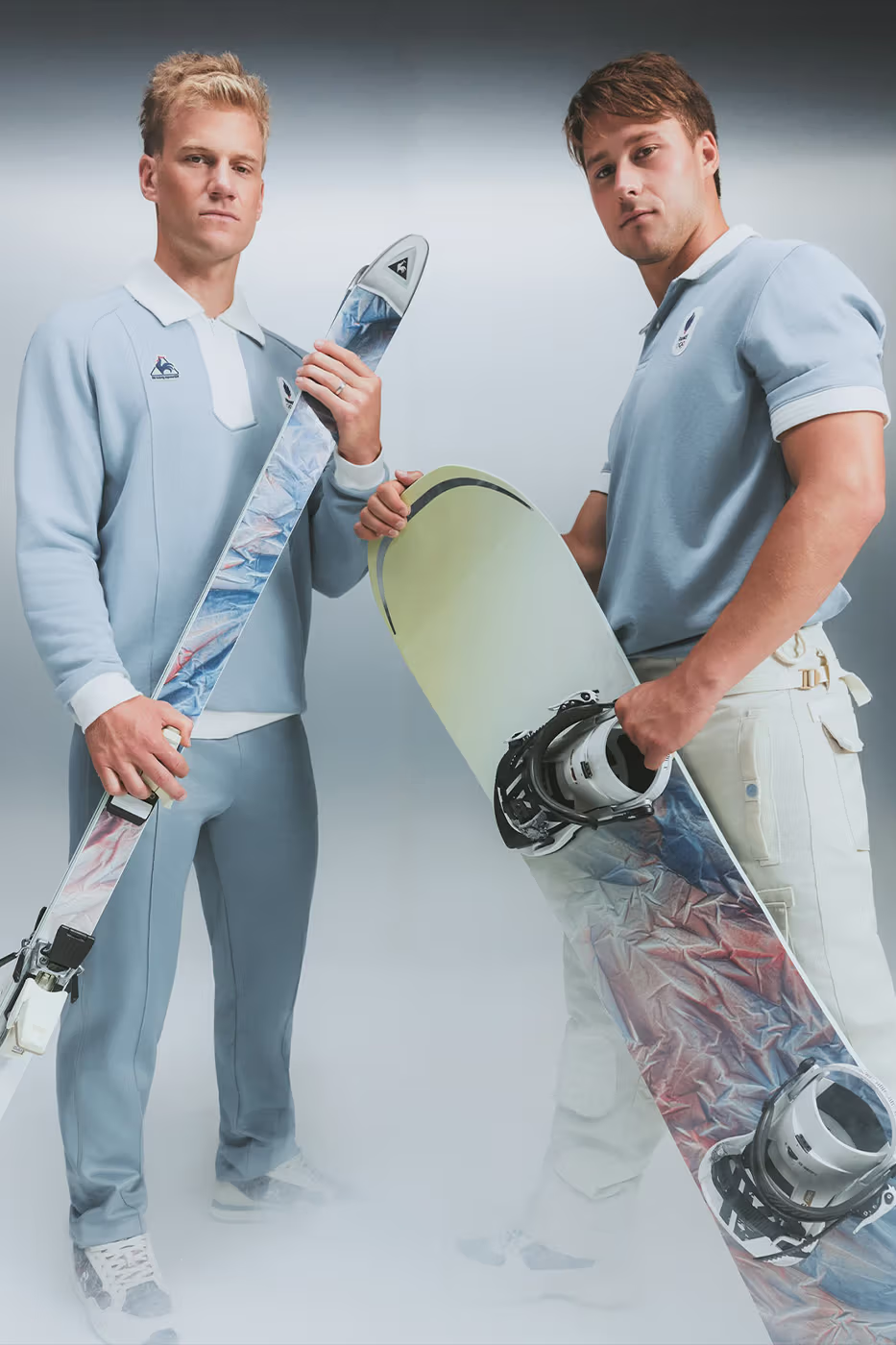
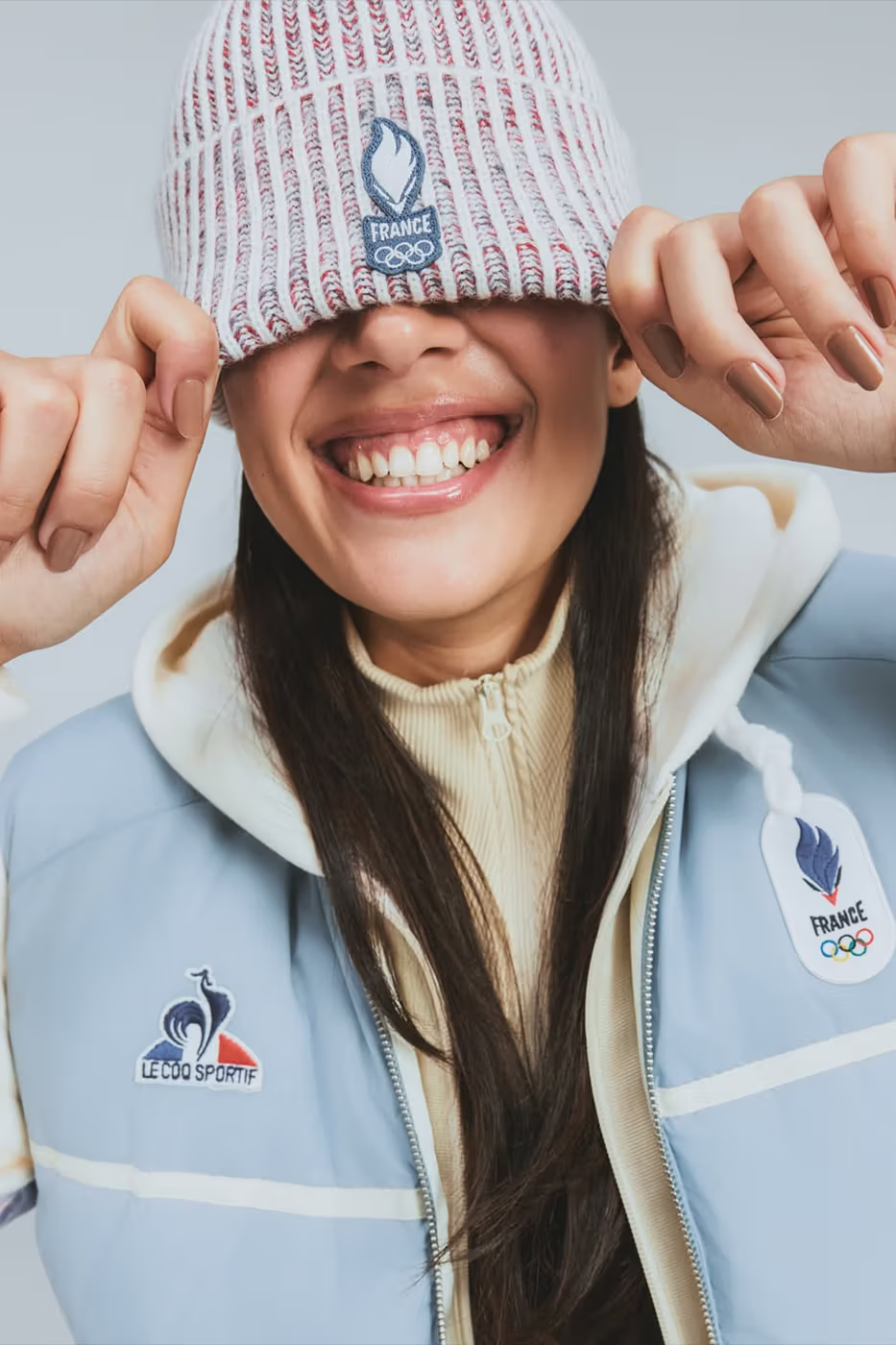
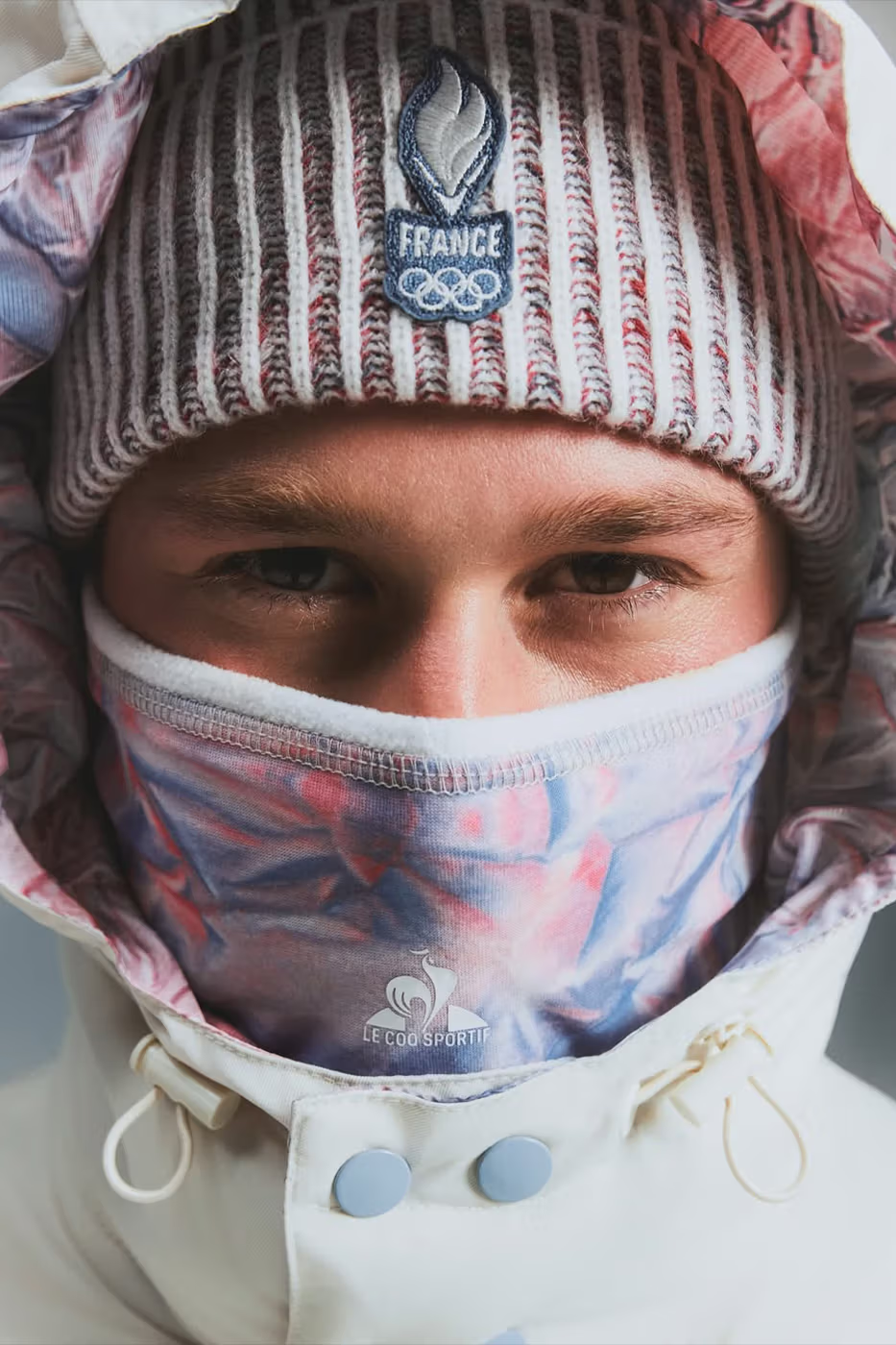
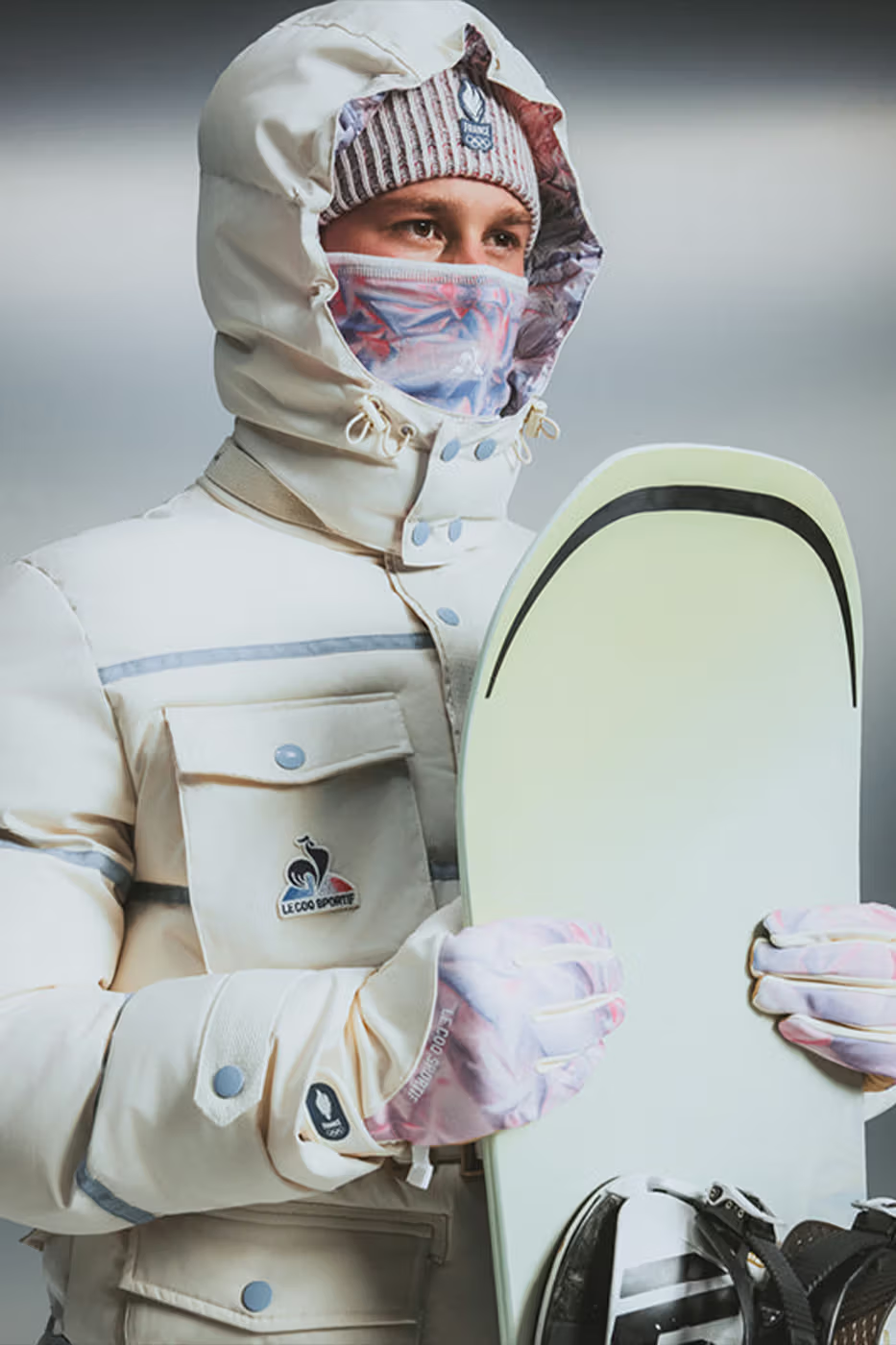
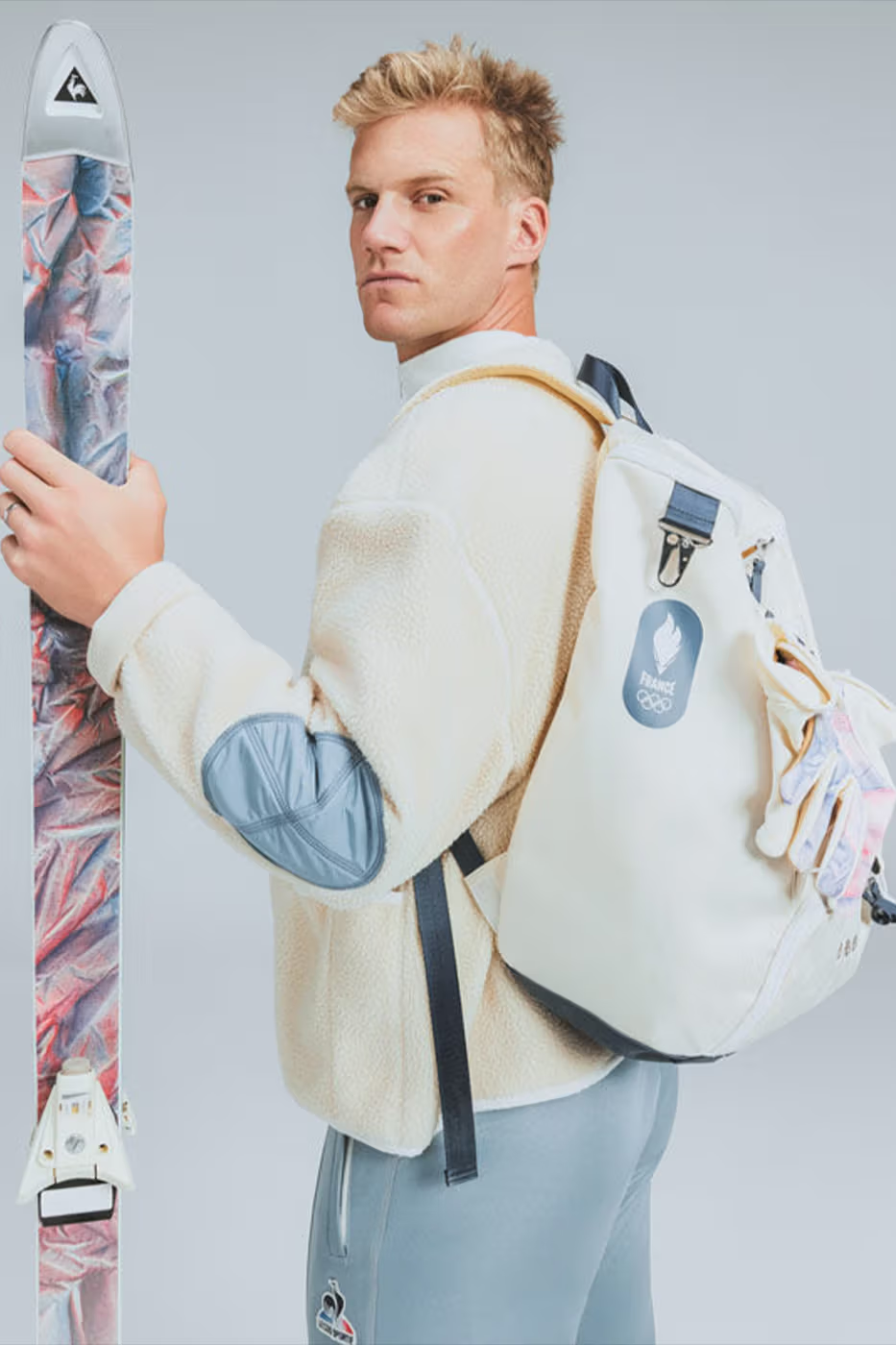
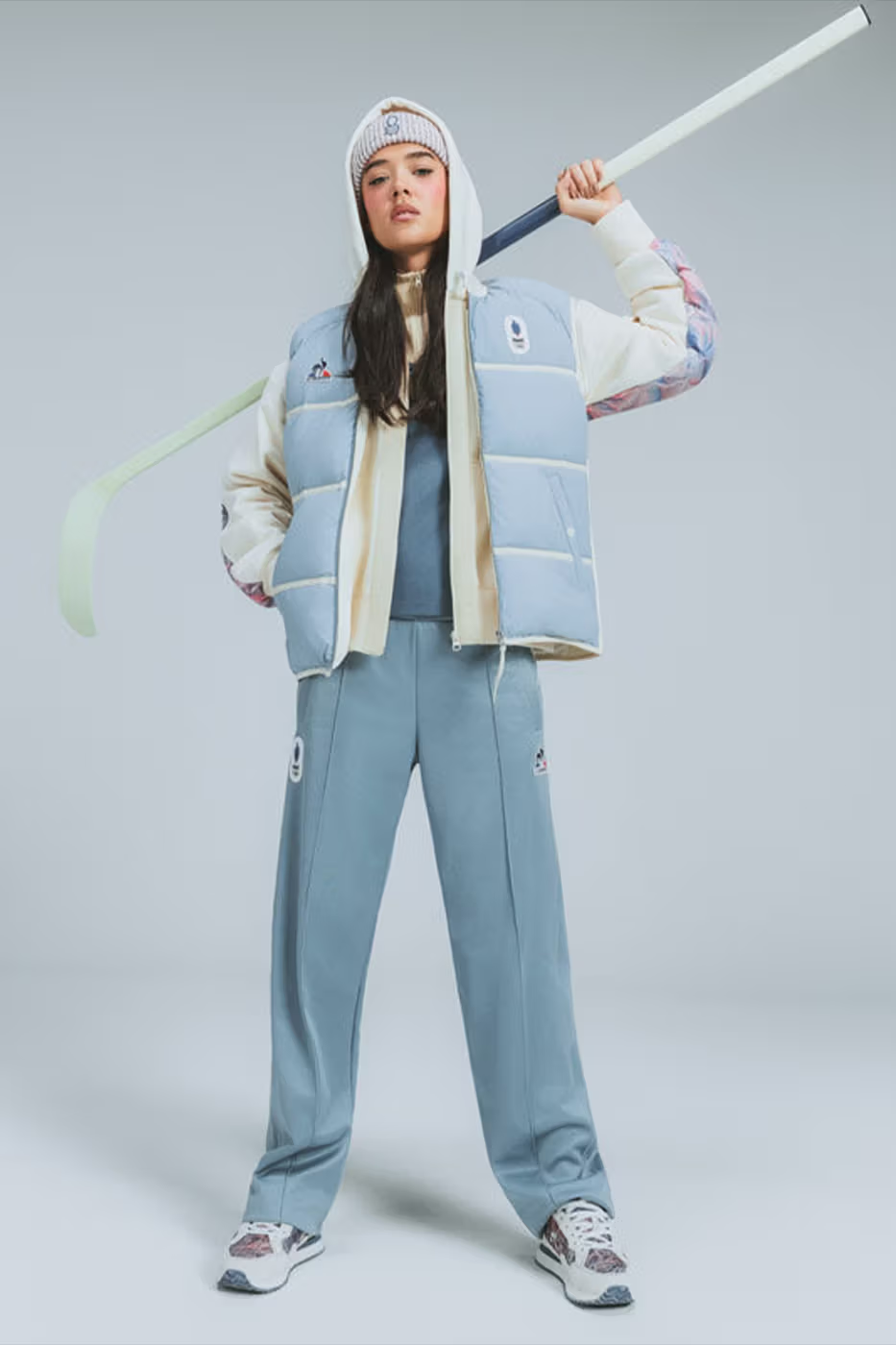
On the one hand, France, with Le Coq Sportif, opts for well-measured elegance. The kit is balanced, consistent and shows craftsmanship. It’s not surprising, but it’s not disappointing either, and in an event like this, that’s saying a lot.
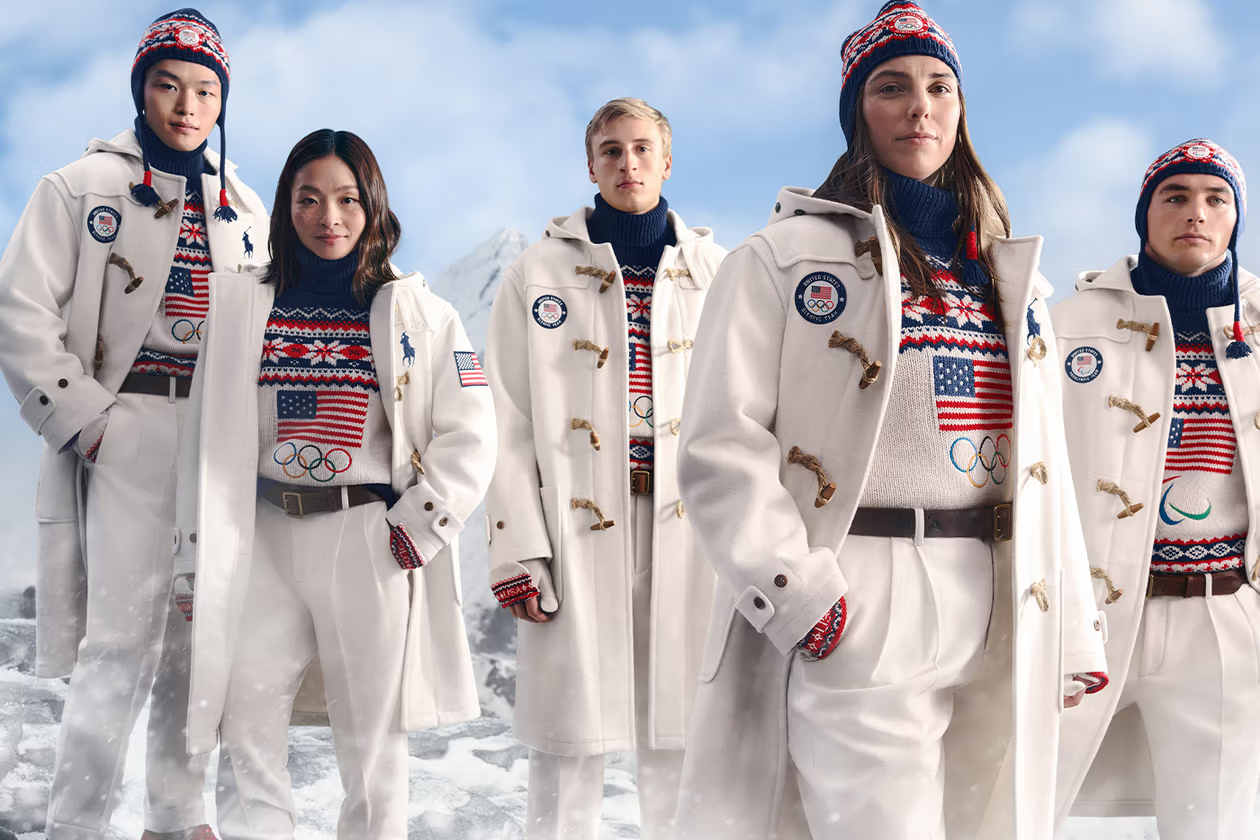
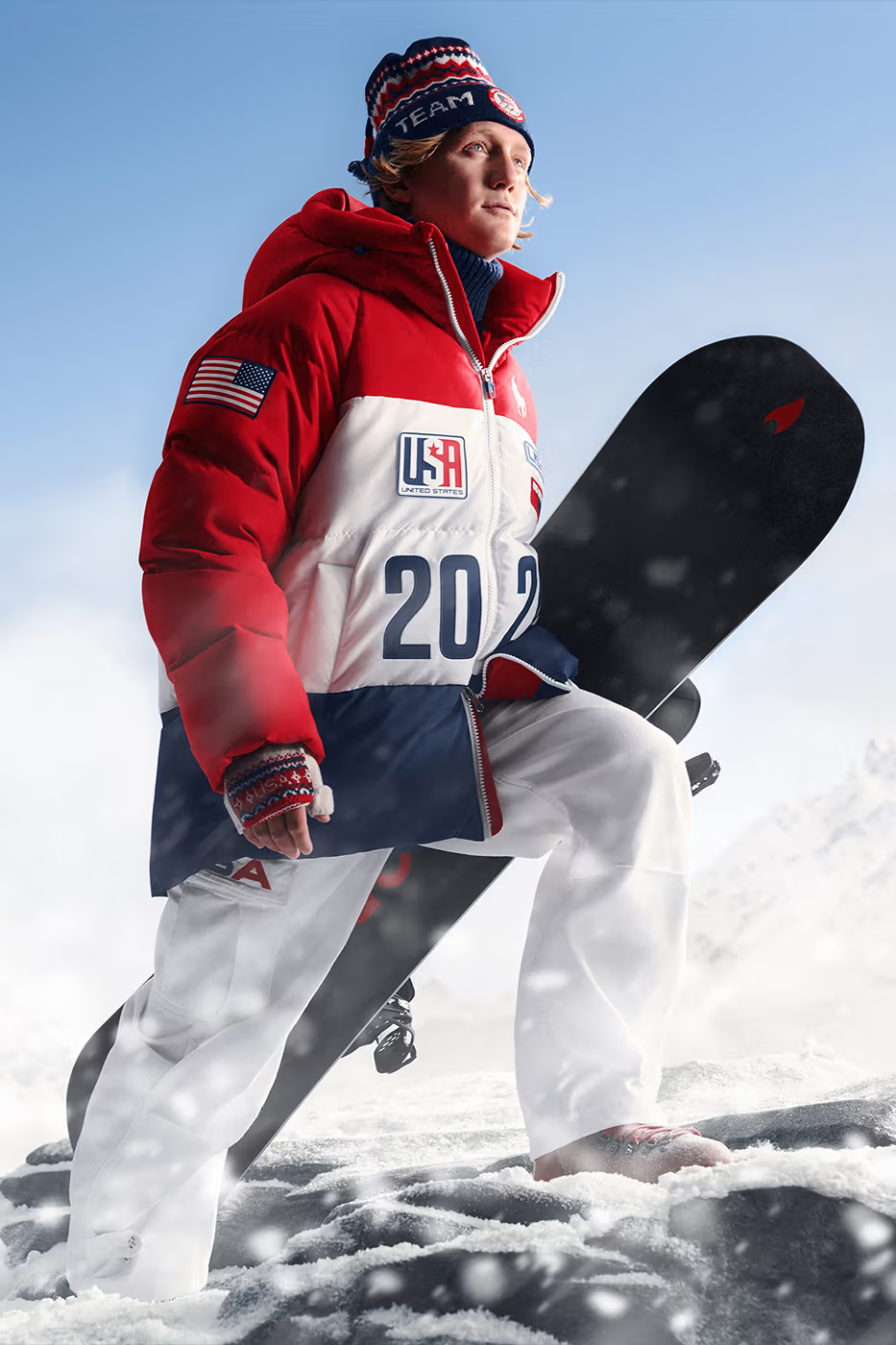
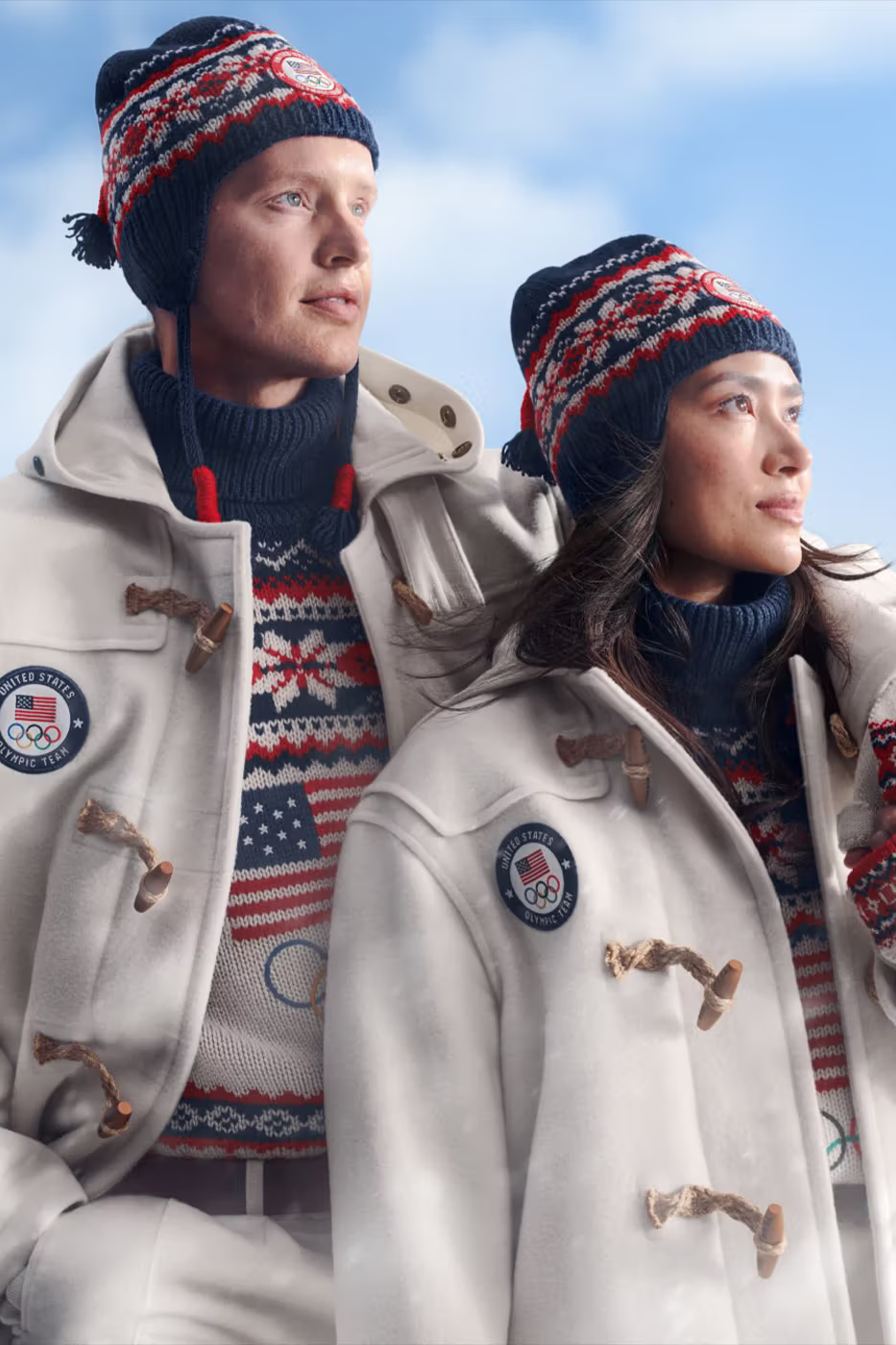
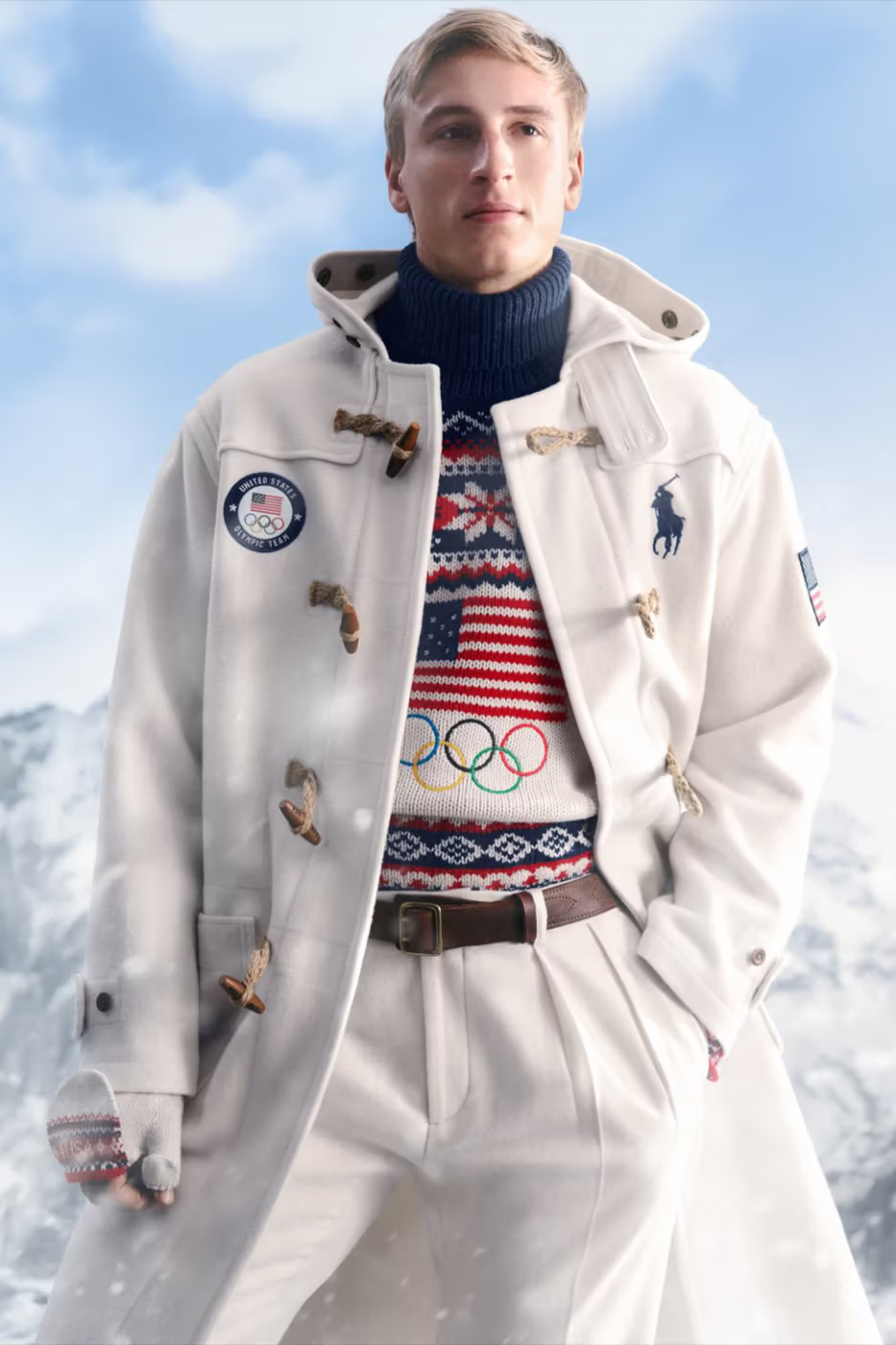
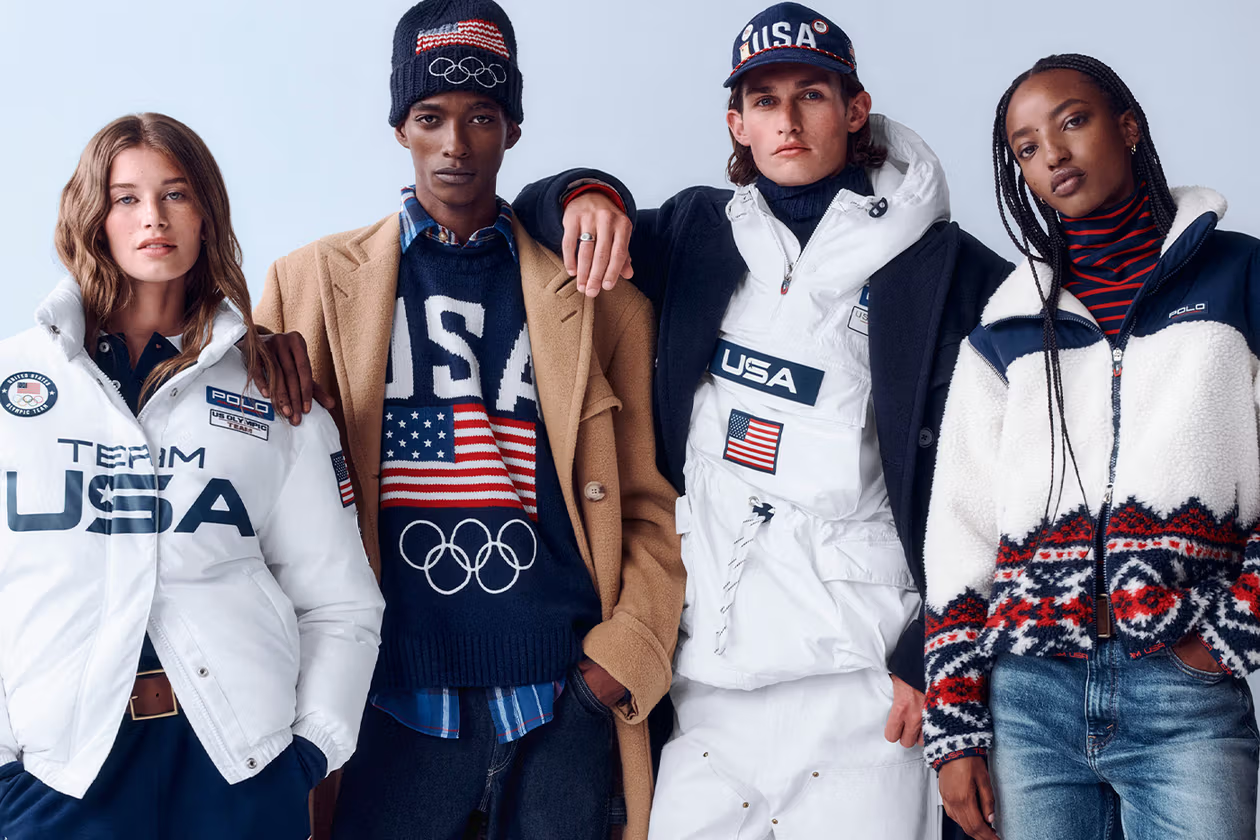
In a more traditional vein, the United States remains faithful to its usual formula with Ralph Lauren. Preppy, snowy and instantly recognisable Americana. It is classic, cinematic and almost part of the Olympic scenery at this point. It does not innovate, but it fulfils its own image and does not stray from it.
Mongolia, on the other hand, is playing a different game. Without raising its voice or seeking headlines, it proves once again that when cultural identity is well crafted, there is no need to explain too much. Craftsmanship, tradition and a quiet confidence allow them to go about their business. And, once again, it works for them.
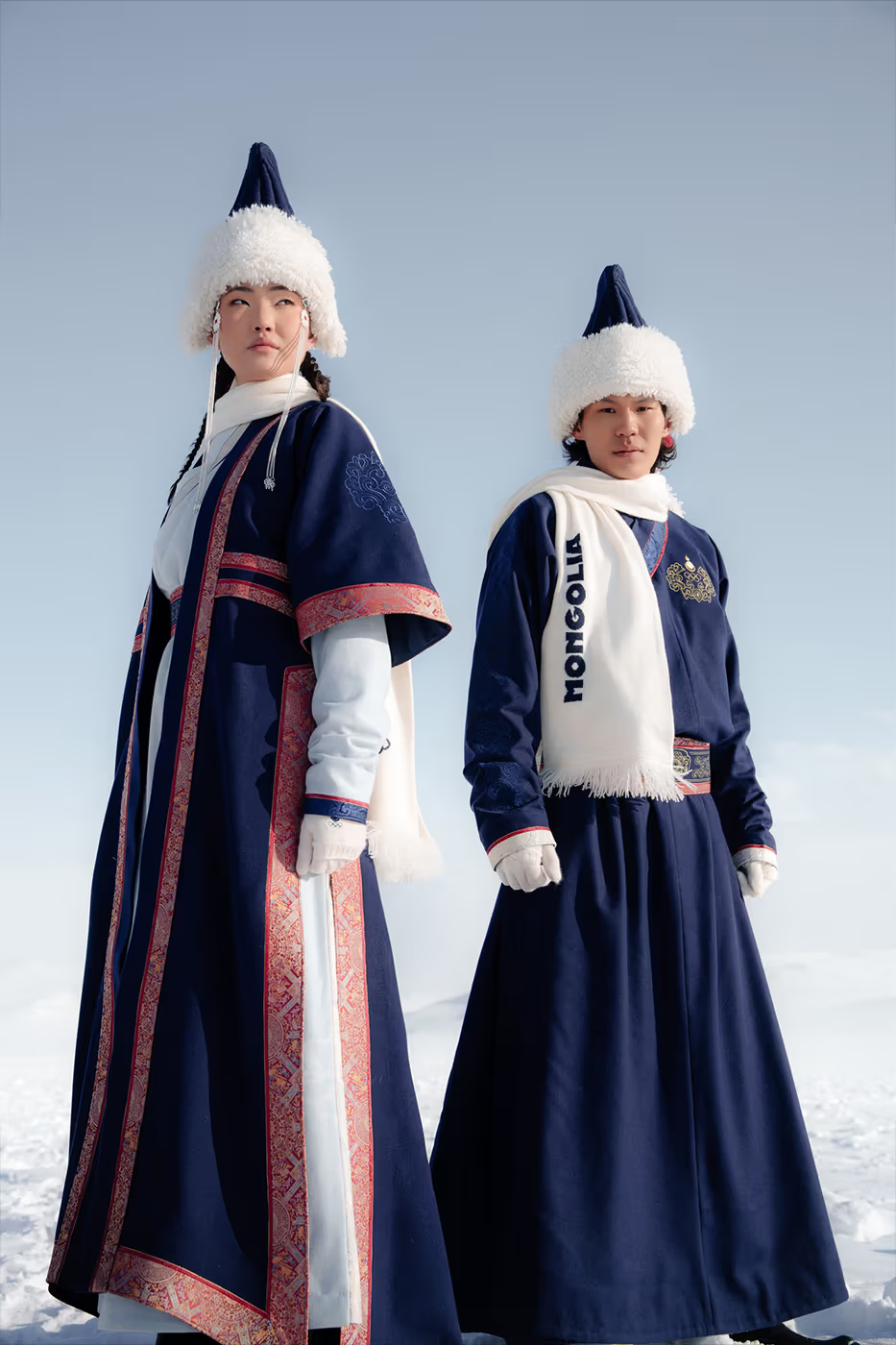
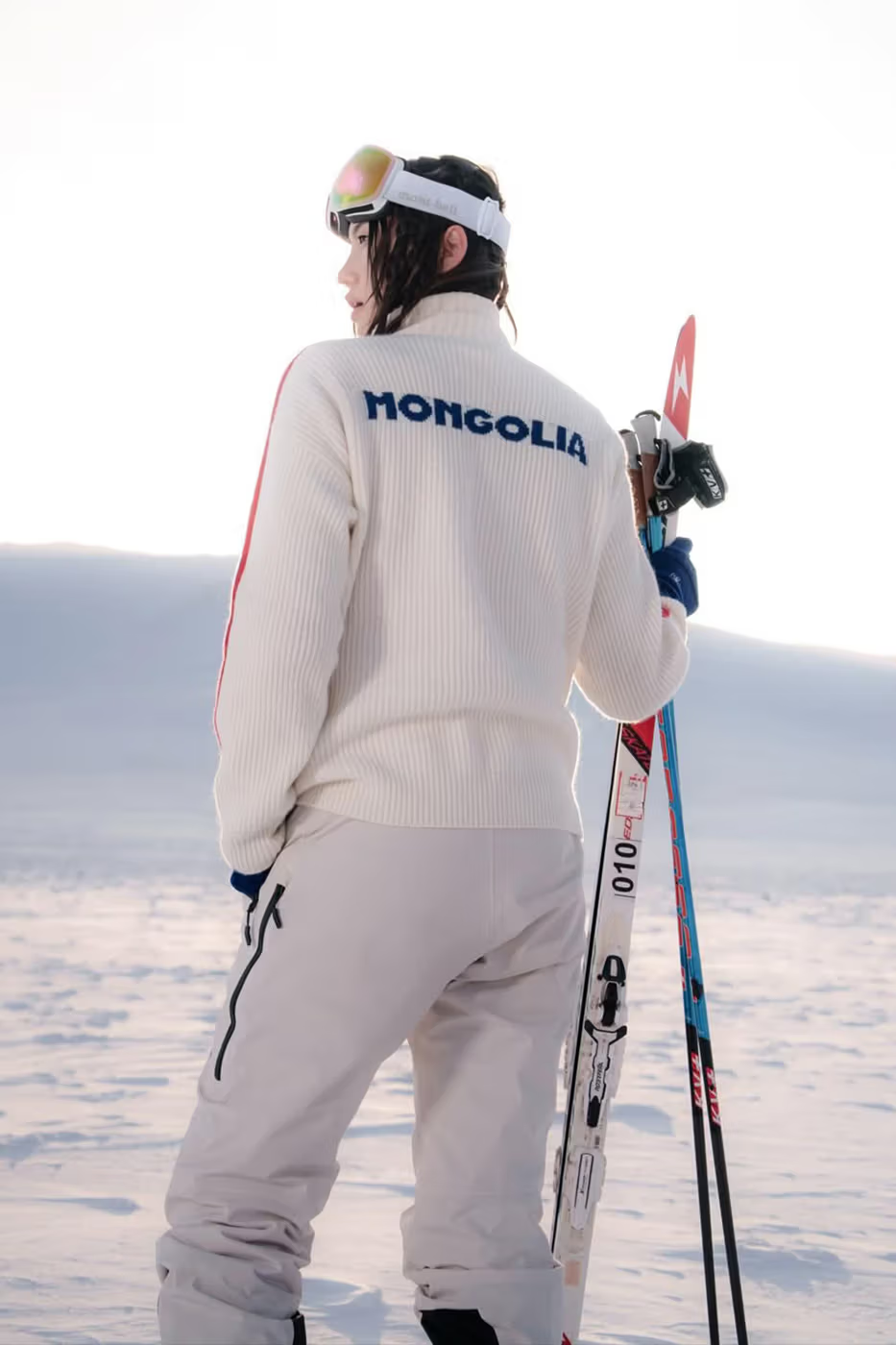
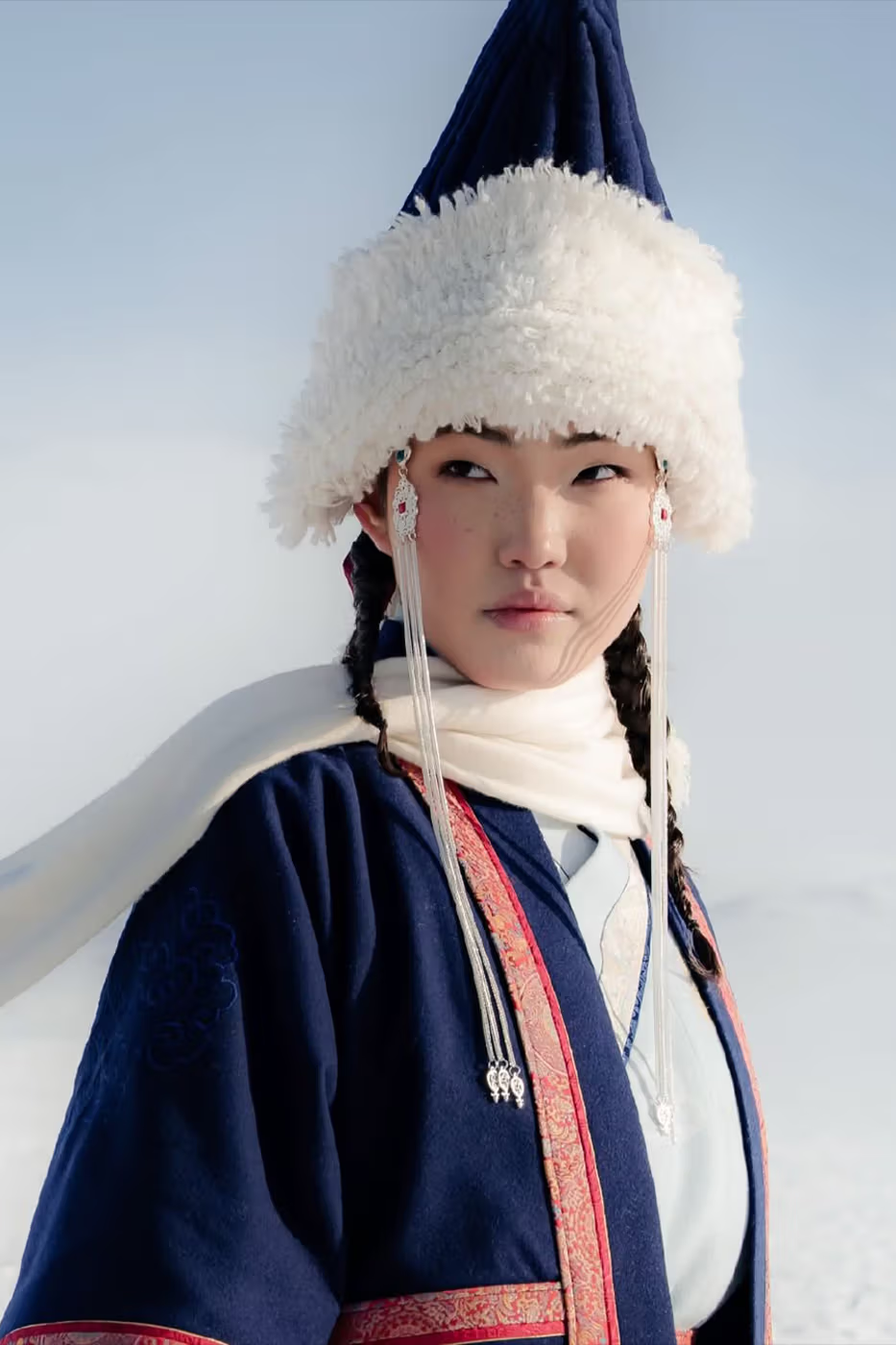
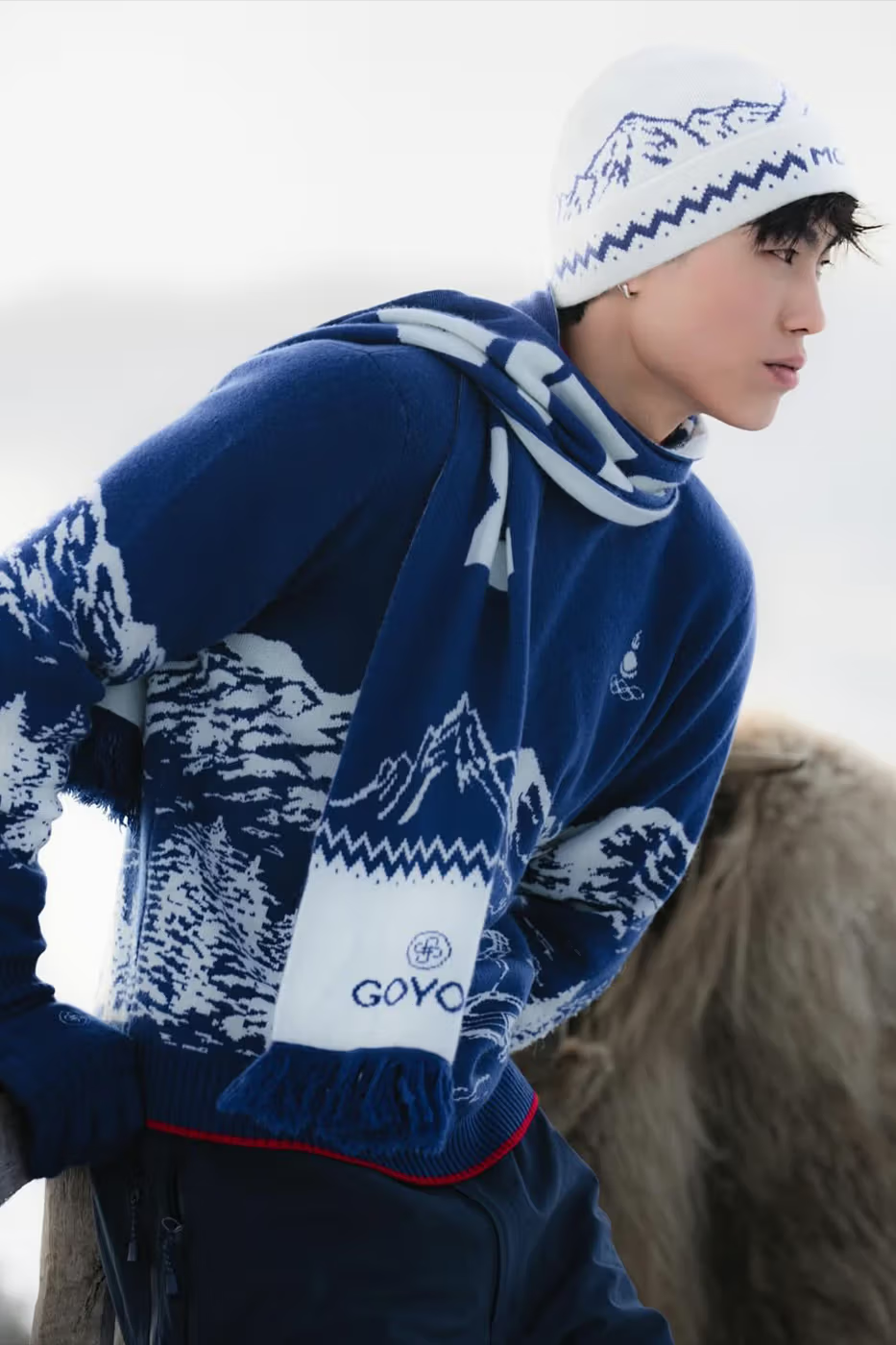
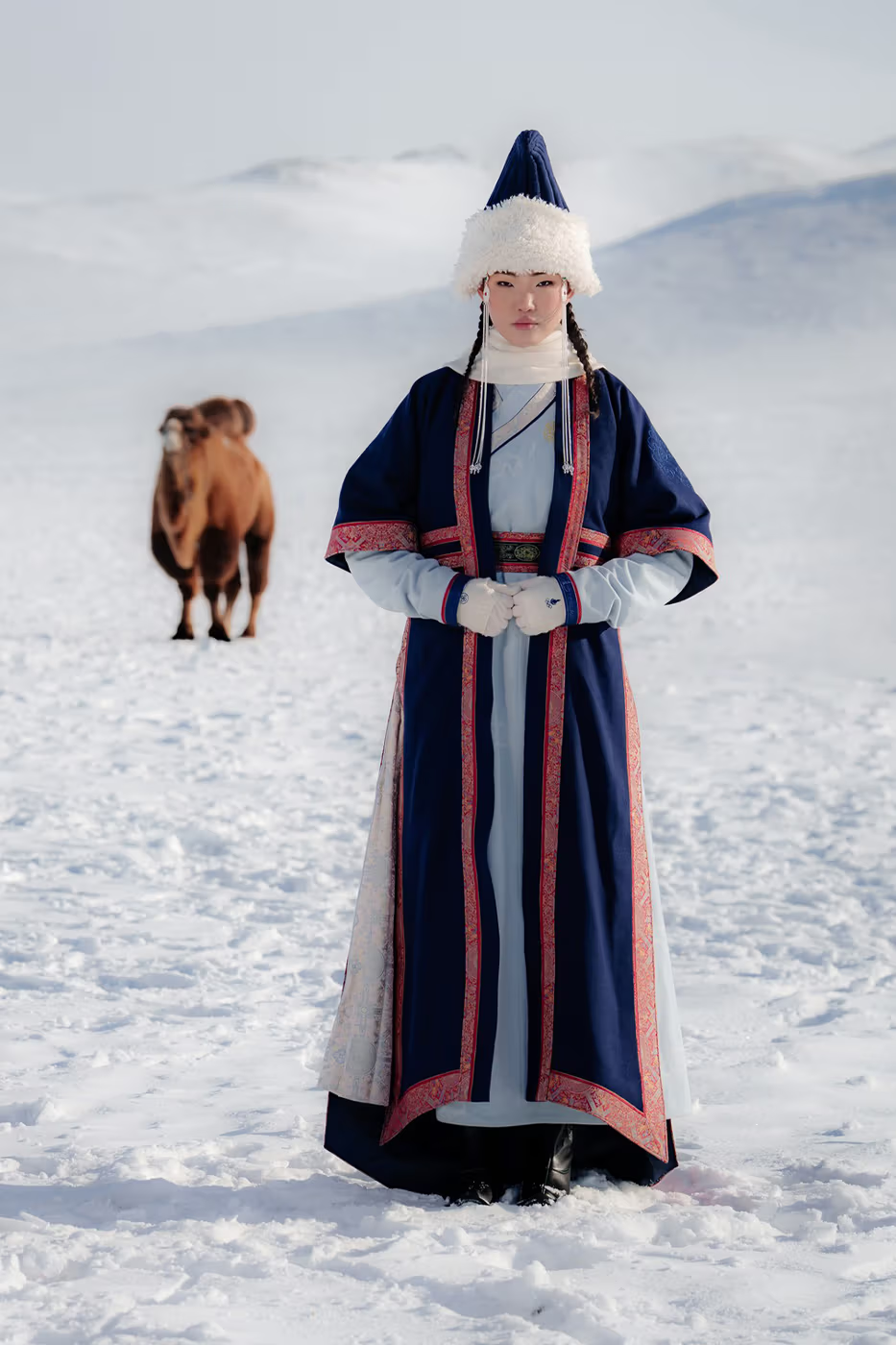
Beyond these cases, the rest of the countries are opting for well-executed, functional kits designed for performance which, however, once the parade is over, quickly fade into obscurity. They do the job, but they don’t linger.
Spain, correct… and that’s it
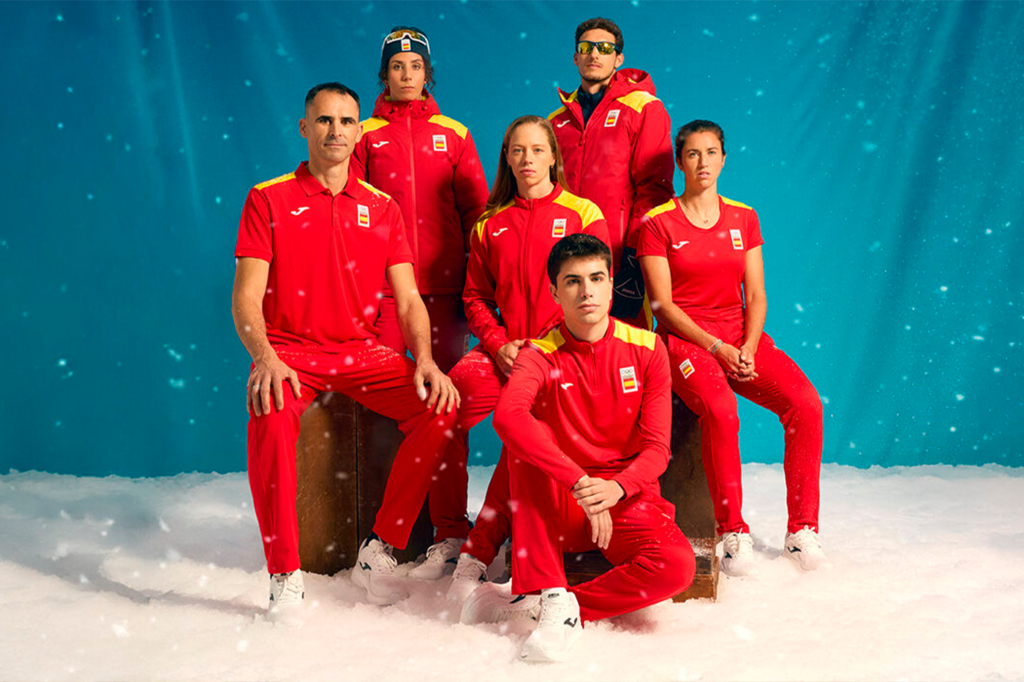
Spain has opted for the safest route. The kit is clean, recognisable and faithful to the traditional colours. There are no obvious mistakes or eyebrow-raising decisions, which, after more controversial proposals in the past, is welcome. It is well executed, the work is evident, and it conveys a certain institutional pride.
The problem is not what it is, but what it decides not to try. In a context in which other delegations take advantage of the ceremony to build a powerful narrative or visual identity, Spain comfortably remains in the realm of what is correct. It does not generate controversy, but neither does it generate conversation. It complies, moves on and continues. And in a Games where fashion also competes for attention, this prudence usually translates into something quite clear: do not disturb, but do not stand out either.
SKIMS x Team USA returns with a new capsule collection for the 2026 Winter Games.
Sigue toda la información de HIGHXTAR desde Facebook, Twitter o Instagram