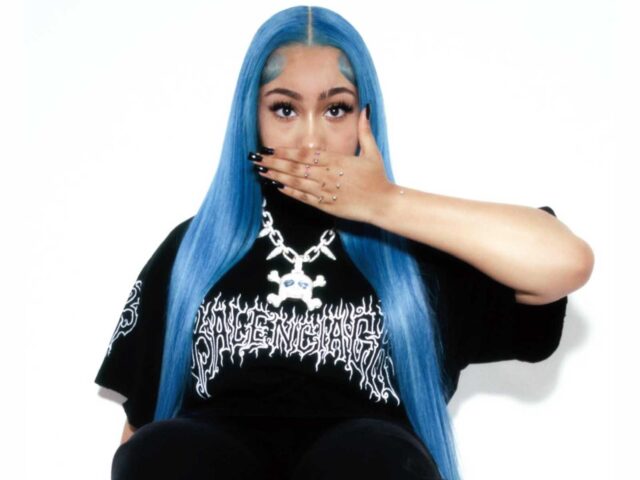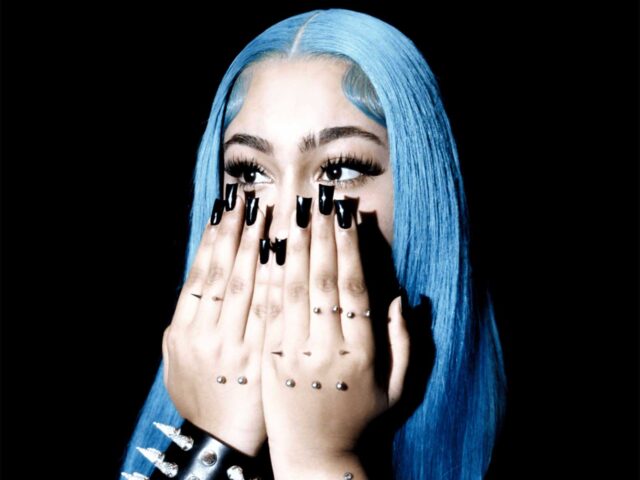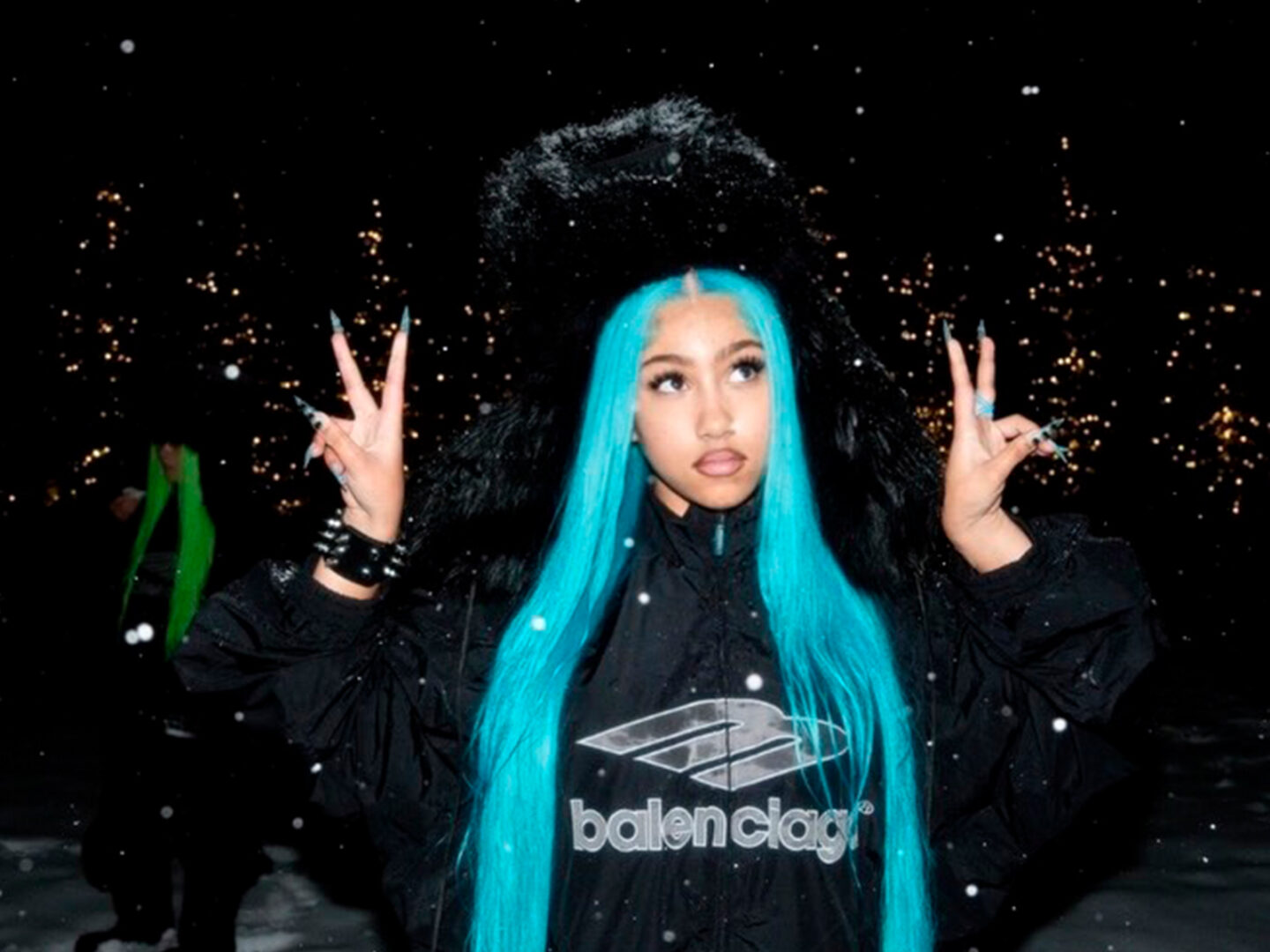
At 12 years old, North West has not only released music and given an interview to i-D, she has now also registered her own fashion and jewelry brand: NOR11. Documents published in The Sun show that KimYe’s Kid Inc., created in California in August 2023, handled the paperwork, with Kardashian as the sole director according to state records.
The question is no longer whether she has talent. Nor is it whether it is “normal” for the children of celebrities to be exposed, but rather: is it morally legitimate to turn a minor’s public presence into a business venture? And more importantly, did she ever have the option of not belonging to show business?
Being the daughter of Kim Kardashian & Kanye West is not just a family condition; it is a 24/7 architecture of exposure. North has not “broken into” pop culture. She is, in fact, a natural extension of the Kanye-Kim empire. Since birth, she has been observed, commented on, and projected. What we see today is the continuation of a media architecture that did not begin with her, but now formally includes her.
NOR11 is not a hobby for a girl her age. It is an entity designed to operate in the market. And the market does not operate on childish logic; it operates on positioning, expectation, and profitability. Can a 12-year-old understand what it means to turn her identity into a commercial category?
We saw her last week singing alongside her father at the concert in Mexico. It is one thing for a minor to sing, but it is quite another for her to register trademarks. When a minor’s identity becomes a registered trademark, the line between person and product begins to blur.
The recent controversies—the dermal piercings, the release of the song “PIERCING ON MY HAND,” the deliberately provocative aesthetic—are not simple adolescent gestures. They are part of a conscious visual construction that dialogues with adult codes.
We live in a culture that celebrates aesthetic precocity and overexposure. That applauds children who master the language of branding. That turns self-expression into monetizable content. But accelerating adult codes in a hyper-exposed childhood implies something very specific: growing up under constant scrutiny. And growing up under scrutiny means not having the right to private mistakes.
But there is a difference between spontaneous virality and superstar construction. North West, to make matters worse, represents a lineage, the Kardashians, and the pressure to sustain global expectations and not disappoint a narrative already written by adults is inherent to her existence as it is configured at this moment.
We, as spectators, consume that narrative. We celebrate it. We share it. We are fascinated to see how a child masters adult codes: fashion, performance, attitude. We read it as precocious genius, but it is also a way of accelerating childhood until it disappears. And it is not about preventing a child from singing or giving interviews. It is about asking ourselves: Who capitalizes on that visibility? What happens if in five years she decides to disappear? Can she rebuild an identity outside of the character?
North is not just a child artist. She is part of a new pop aristocracy where the surname functions as part of an infrastructure. The usual argument is: “her parents decide for her.” But when the parents are also a business structure—as in the case of Kim Kardashian or Kanye West—the line between guardianship and strategy becomes blurred.
The official narrative speaks of creative freedom, personalized education, allowing her to express herself. And there is probably some truth in that. But expression, when backed by business structures and global coverage, ceases to be intimate and becomes capital. It is not the same to accompany a vocation as it is to design a brand.
A minor cannot sign contracts on equal terms. They cannot foresee the long-term reputational impact. They cannot fully consent to permanent exposure.
The question is not whether North is ready. It is whether she should have to be. Because the surname acts as a guarantee, but also as structural pressure. It’s not just about opportunities; it’s about expectations. And expectations… weigh heavily. And that’s where the debate becomes even broader: Are we entering an era where cultural mobility is increasingly closed, where superstars no longer emerge, but are inherited?
And this is no longer a debate about one specific family. It’s a debate about the cultural moment we’re living in. We consume these narratives. We amplify them. We turn them into aspirations. And in doing so, we normalize the idea that superstardom begins in childhood and that business arrives before adolescence.
Perhaps the real privilege isn’t launching a brand at 12. Perhaps the real privilege is being able to decide — without pressure — not to do it yet.
Sigue toda la información de HIGHXTAR desde Facebook, Twitter o Instagram