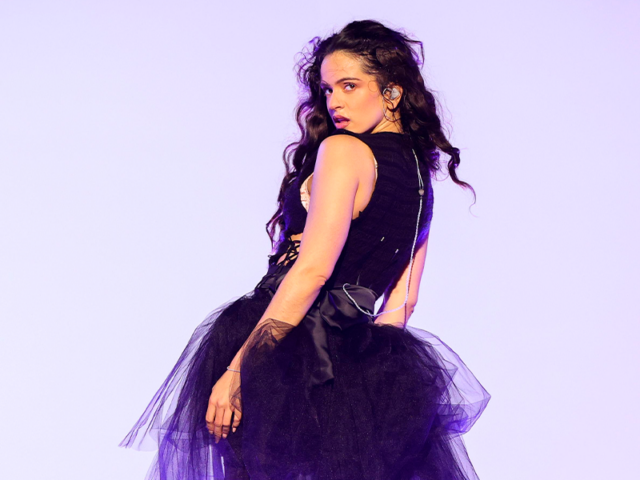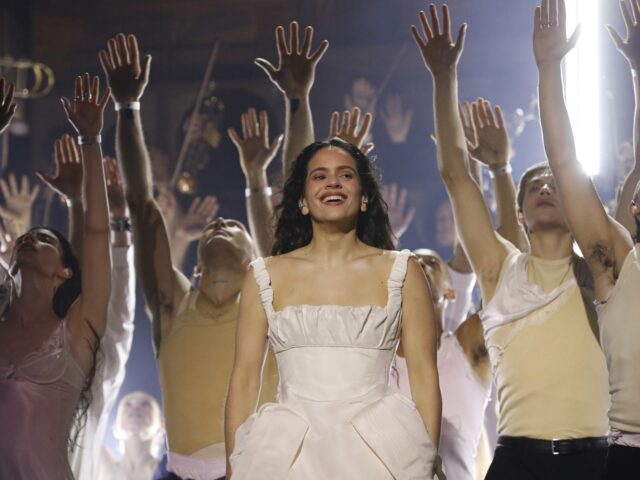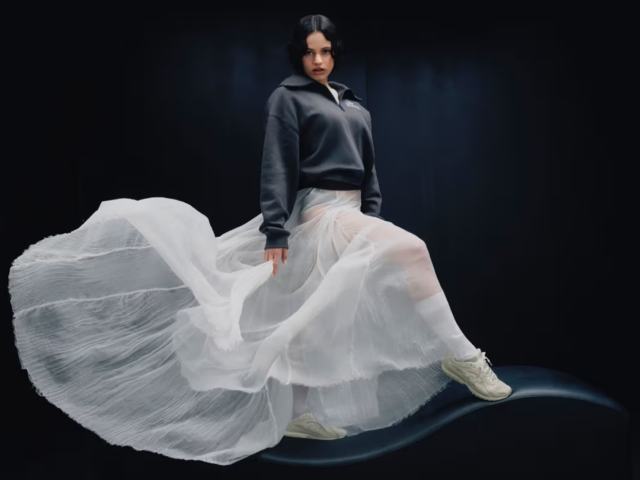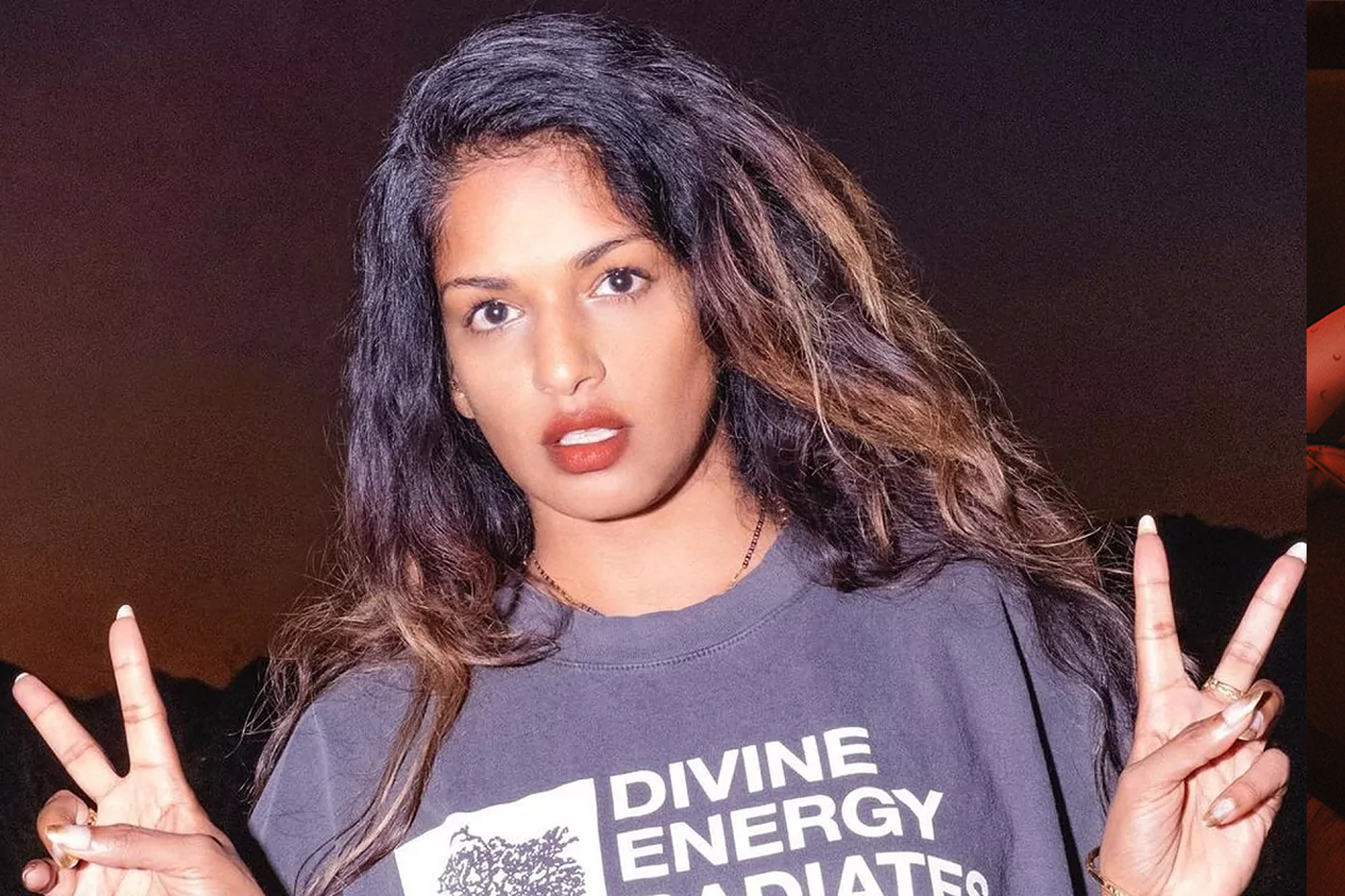
The skies of pop have opened — and not exactly to hand out blessings. M.I.A. has publicly hit out at Rosalía following the Spanish singer’s appearance in Vogue’s spring editorial. According to the ‘Paper Planes’ artist, Rosalía’s new spiritual aesthetic comes a little too close to her own. The controversy erupted on social media after M.I.A. shared images of herself wearing a similar tunic and accused the industry of building “false prophets for profit”, while claiming she herself was “cancelled” after converting to Christianity.
The controversy goes beyond a single look. For M.I.A., the issue runs deeper. She speaks of lived experience, sacrifice and spiritual integrity. In several posts on X, she argued that her Christian vision is not an aesthetic trend but a personal transformation that shaped both her artistic and professional path. She even stated she could provide emails as proof of media rejection after publicly sharing her faith.
Within that context, she says she is pleased that Rosalía is bringing Christian symbolism to new audiences, but questions whether the creative machinery behind the Spanish star may be appropriating codes she feels are rooted in her own journey.
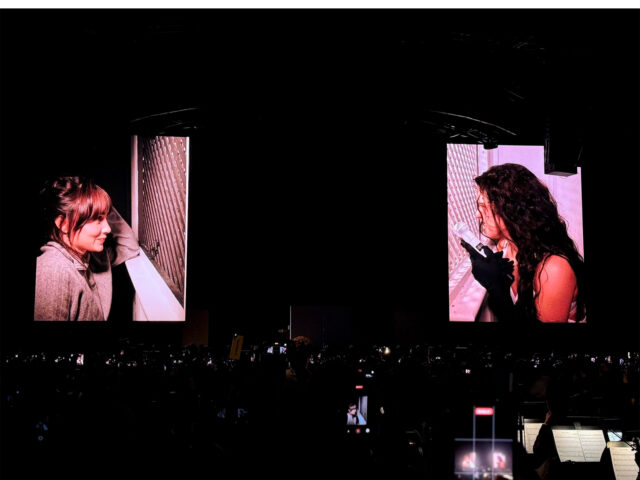
Rosalía has not directly responded to the accusations. The singer has consistently cited M.I.A. as an influence — even referencing her in ‘Bulerías’ — and the two shared the stage during the Motomami Tour in Los Angeles in 2022, sealing the night with a warm embrace that at the time symbolised mutual admiration. Fans and critics alike have pointed out that religious iconography forms part of Spain’s cultural imagination and broader historical references, making it difficult to attribute its use in contemporary pop to any one artist.
It is not the first time M.I.A. has claimed the industry has overlooked her influence. In 2024 she accused Adele of failing to acknowledge, in her view, the help she gave early in her career, while publicly praising Beyoncé. In short, she feels others often receive the applause while she does not. Now the conversation shifts into spiritual and symbolic territory, where the boundaries between inspiration, trend and appropriation are particularly blurred.
At its core, the matter is quite simple. Religious symbols have existed for centuries and belong to shared culture. It is hard to argue that anyone can claim exclusive ownership over them. Can someone lay claim to an aesthetic that belongs to everyone? When does inspiration become imitation?
Meanwhile, M.I.A. has decided to bring forward the release of her next LP. And in today’s music industry, controversies like this do not just spark debate — they can also serve, whether intentionally or not, as a powerful marketing strategy.
Sigue toda la información de HIGHXTAR desde Facebook, Twitter o Instagram
You may also like...