A truck crossing Europe, a crew waiting for eight minutes of perfect light, a remote location that justifies the budget. For years, that was the silent proof of luxury’s legitimacy: you could afford to move everything. Production was part of the narrative, and the scale was a way of saying, “because I can.”
Now, as the world has shifted, it’s starting to feel unnecessary. Not because the industry has become austere, but because it has understood that an image no longer needs things to actually happen — it just needs them to feel possible. It’s no longer about whether you can fly to Fiji to shoot a campaign. It’s about whether you have the ingenuity to invent Fiji and make it entirely believable within a brand’s storytelling.
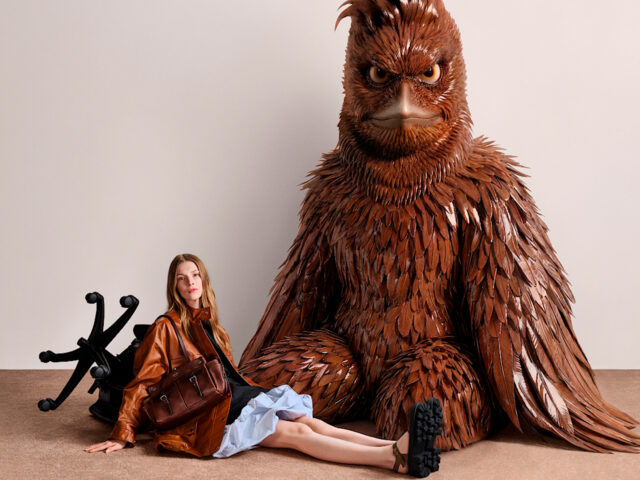
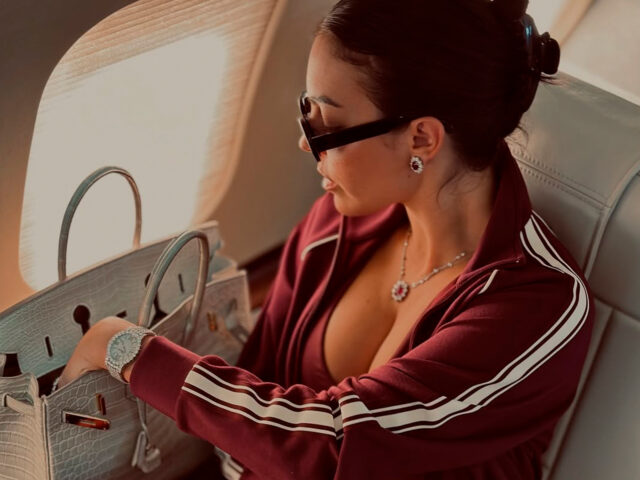
That’s where synthetic photography comes in. Not as a futuristic trend or a technological whim, but as a tangible reflection of the world we live in. The people building synthetic images today are the Velázquezes of our time, aren’t they? They don’t shoot — they compose. They don’t scout locations — they design atmospheres. They decide where the light enters, how dense the air feels, how much epic tension the sky needs for the object to breathe exactly as it should.
There’s something profoundly classical about all of this. The tool is digital, but the practice feels like a return to the beginning: constructing a world from scratch and making it believable. Like when Rubens, Goya, or Caravaggio painted a scene into existence.
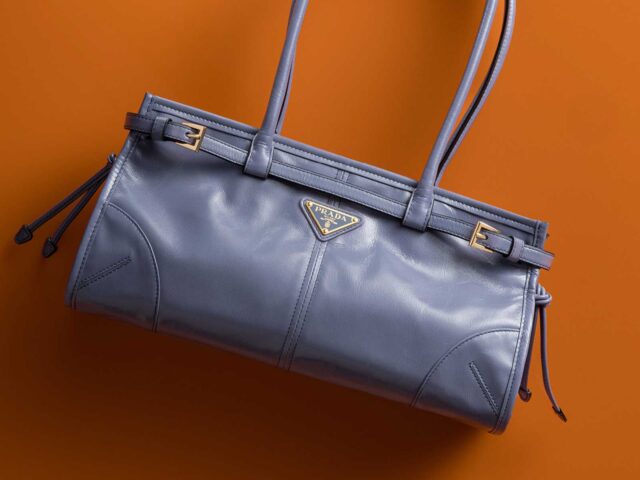
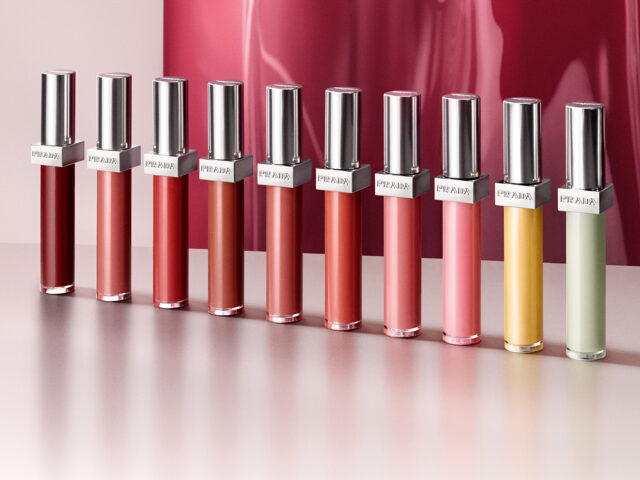
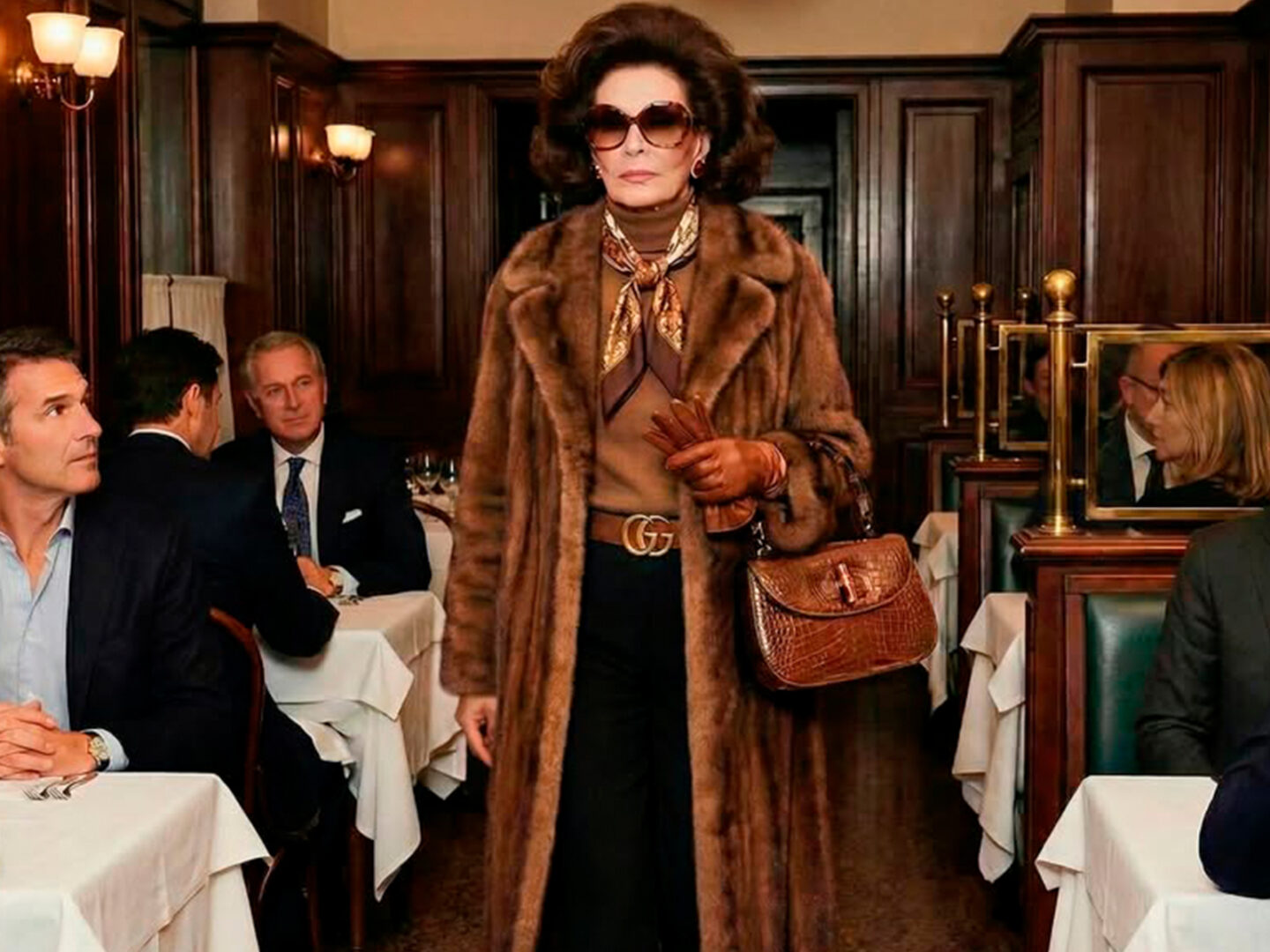
Brands like Balenciaga, Gucci, and Prada have understood that coherence now matters more than geography. The question is no longer where do we shoot this, but what universe are we sustaining. Going to Fiji can be spectacular. Inventing it — and making it desirable — can be smarter. Because what was ever being sold wasn’t the beach; it was the atmosphere that beach promised.
Luxury has always operated through fantasy and aspiration. For decades, it needed to anchor itself in material proof to feel legitimate: real marble, real travel, real sets. Today, that legitimacy has shifted. An object can exist as a render before it is ever manufactured. It can test different narratives without leaving the studio. It can launch digitally and generate desire before it ever touches a store. The material comes later. The image — the illusion — comes first.
Many brands have proven it at different moments: the imaginary is the asset. Authenticity no longer lies in documentary proof that something happened, but in the coherence that it could have happened within that universe. If the narrative works, the image works.
What’s changing is not just production, but the kind of talent that is valued. It used to be about logistics and budget; now it’s about someone’s vision — however radical — made tangible. Before, you proved you could move across the world. Now, you prove you can build one of your own and make it consistent down to every pixel.
The physical set won’t disappear, of course. It will become just another tool in service of the content, whatever form that takes. But the center of gravity has shifted. The question is no longer whether the scene existed. It’s whether the universe is constructed well enough to make us want to live inside it.
Sigue toda la información de HIGHXTAR desde Facebook, Twitter o Instagram
You may also like...