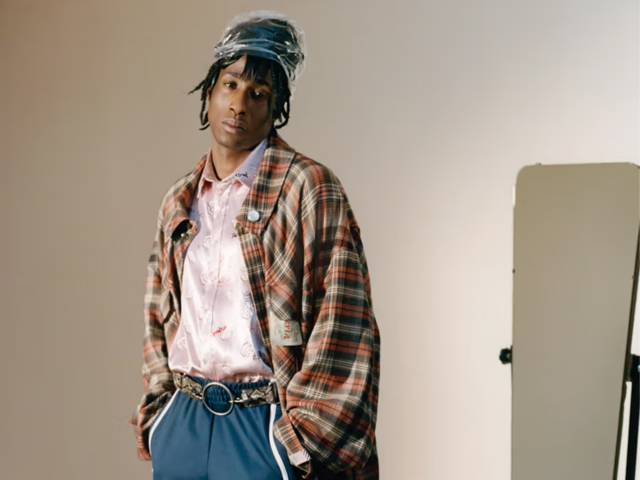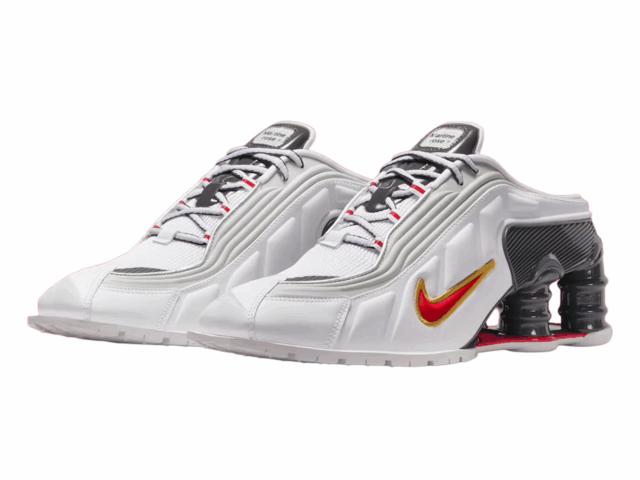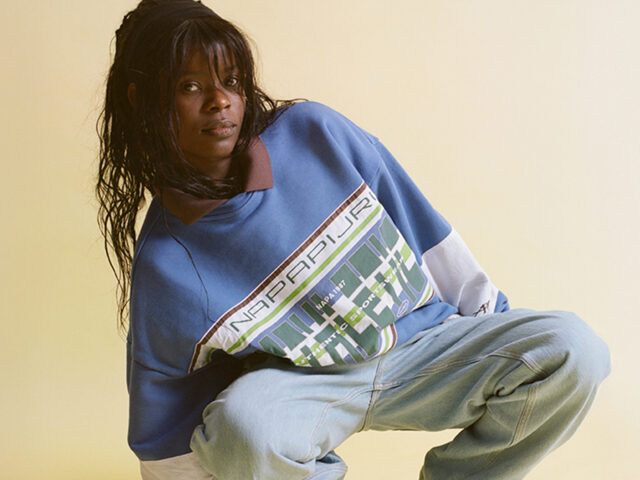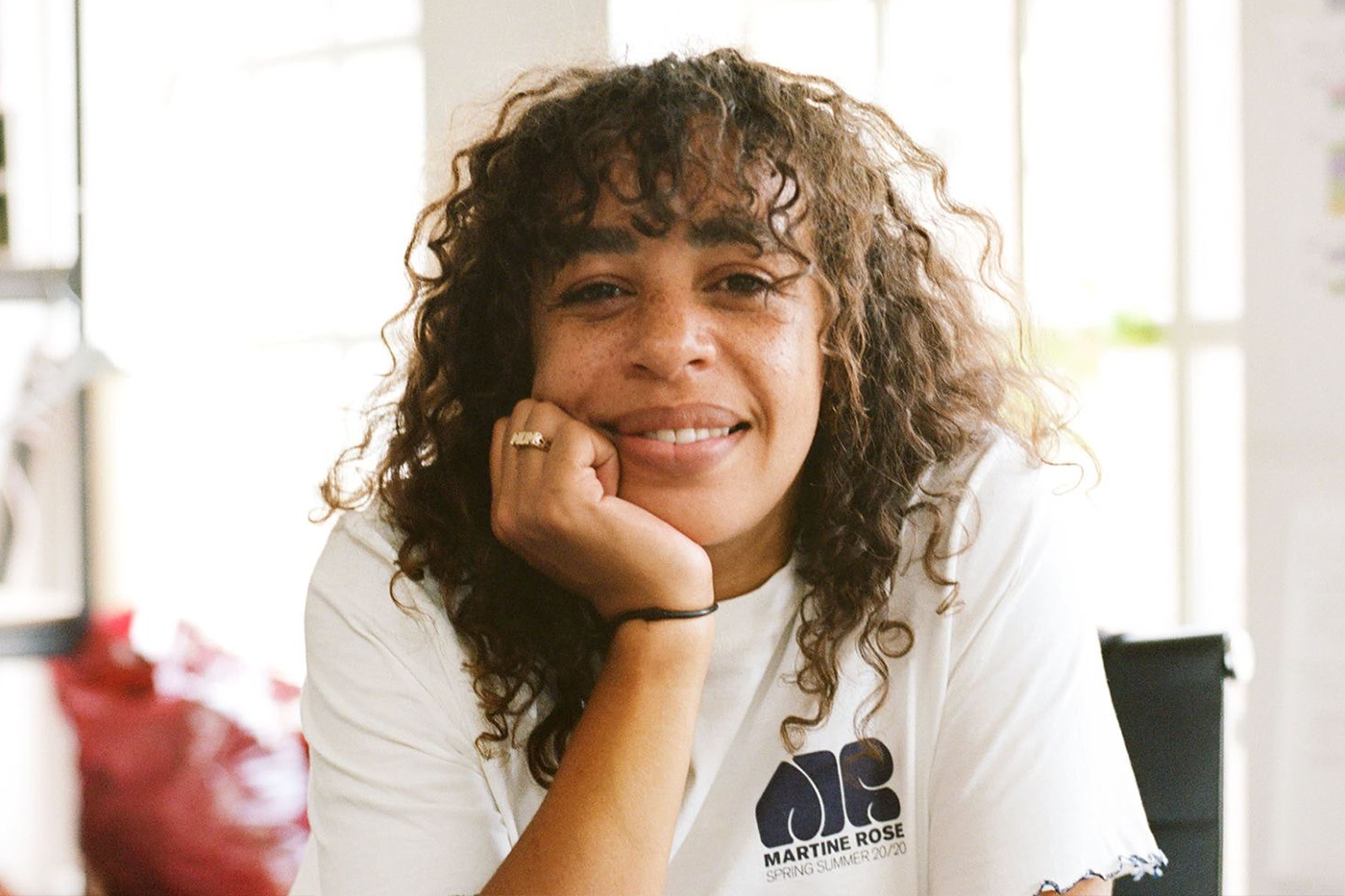
In fashion, certain things almost never happen. One of them is cancelling the production of a collection after it has already been sold. And yet that is exactly what has happened with Martine Rose. The British designer has announced that her FW26 collection will not be produced, despite already receiving orders from around 200 retailers worldwide, something practically unheard of in the industry. In a statement, Rose explained that she was “forced to take the unusual decision to cancel the season’s production orders”, a move that is deeply frustrating for her team after a successful sales campaign, but one she considers necessary to ensure the long-term future of the brand.
The official explanation, however, leaves plenty of unanswered questions. And this is where the story starts to get interesting. Both Martine Rose and Coperni are part of Tomorrow London, the company that manages and develops several independent brands. Just last week Coperni also surprised the industry by cancelling its show at Paris Fashion Week, claiming that its relationship with Tomorrow’s investors had “deteriorated significantly” and that the brand no longer had the resources needed to sustain its development. Two such drastic decisions in such a short space of time begin to look less like coincidence and more like a sign that something bigger may be happening.
In the first few days, fairly simple theories began circulating. Perhaps Coperni was not selling enough to justify staging a runway show. A hypothesis that might make sense in their case, but one that fits far less with Martine Rose. The designer has never been known for producing extravagant shows and, according to her own statement, the season’s sales had been positive and orders had already been placed. If sales were not the issue, then the focus inevitably shifts towards the structure supporting both brands, Tomorrow.
Tomorrow’s Change of Direction
That is where more clues begin to emerge. In recent months the company has experienced a rather striking leadership turnover. Executive Alessandra Rossi, CEO of Brands, left the company in February following reported dissatisfaction from several partner brands. Before her, co-founder Giancarlo Simiri, Chief Revenue Officer, stepped down from the board in November 2025. Added to this is an unusually high turnover of directors over the past 18 months, as well as a two-month delay in filing the financial accounts the company was due to submit in January. When so many pieces start moving at once, it inevitably raises questions about what might be changing within the group.
That shift appears to reflect a broader strategic move. In recent years, Tomorrow has moved away from investing in and acquiring stakes in emerging brands, focusing instead on distribution services, consultancy and operational support, a model that carries less financial risk. At the same time, the group has sold assets such as A-Cold-Wall and the retailer Machine-A, while signing new distribution agreements with brands including Roberto Cavalli, Soshiotsuki and Temily. The company also placed part of its intellectual property as collateral to secure financing, a practice that can indicate a need for liquidity. All of this is happening within a challenging UK economic climate, where corporate insolvencies rose 4% in January 2026 due to higher taxes, rising energy costs and weak demand.
In short, no one has yet clearly explained what is happening inside Tomorrow, but the consequences are already beginning to surface. The cancellation of Martine Rose’s FW26 production and Coperni’s runway show may simply be the first visible signs of a deeper restructuring. In fashion, as in a good mystery, two clues do not necessarily make proof — but they are often enough to suggest that something is happening behind the scenes.
Martine Rose blends history and subculture in her FW26 menswear.
Sigue toda la información de HIGHXTAR desde Facebook, Twitter o Instagram
You may also like...