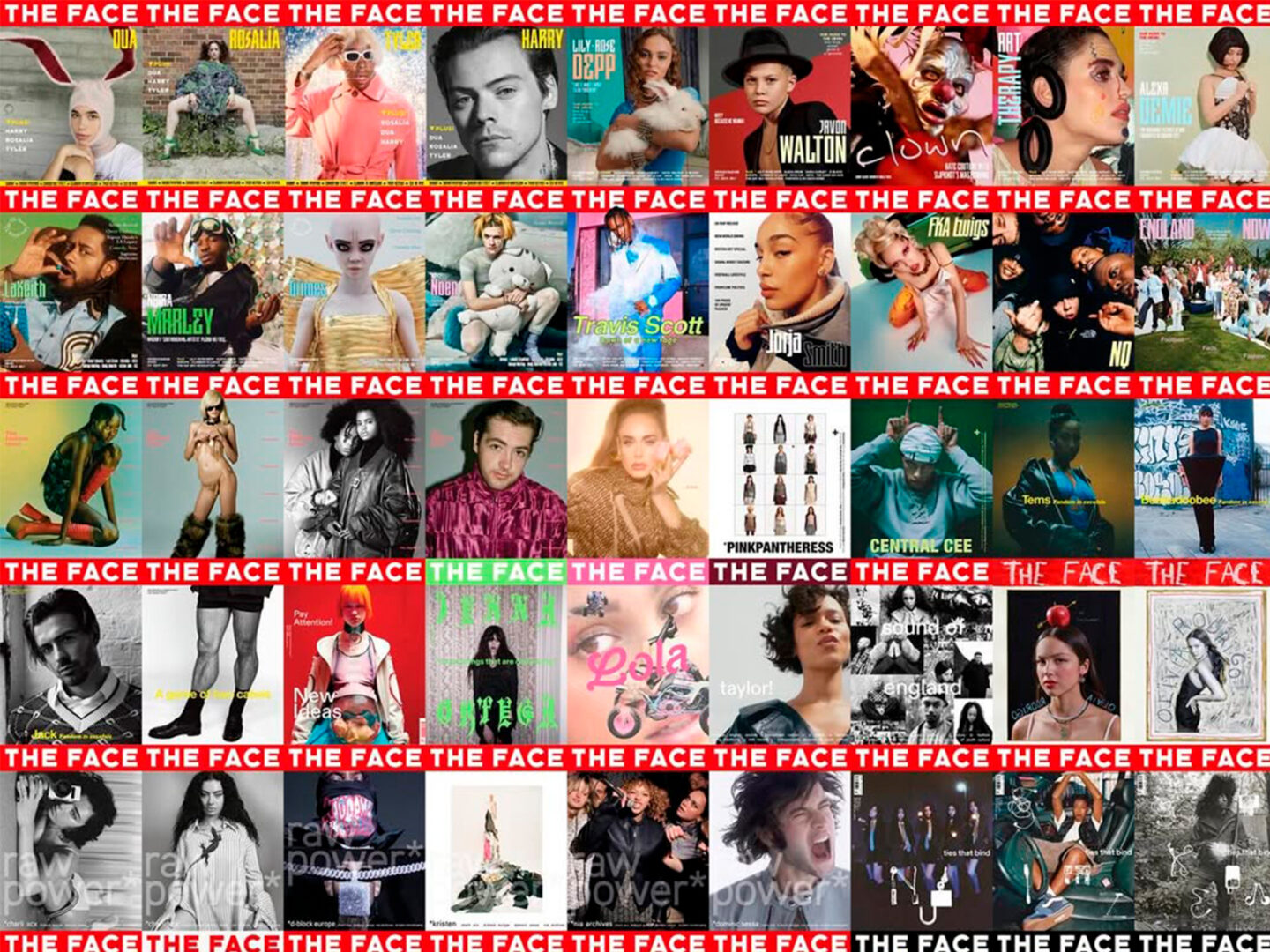
Ever since Nick Logan founded it in 1980—literally putting everything on the line with his own savings—the magazine was born with a very specific purpose: to document what was happening on the street before it made its way into the mainstream. What he defined as an “almanac of cool” wasn’t exactly a revolutionary editorial stance in the strictest sense. Because The Face was unlike anything that existed at the time.
Its history isn’t told through dates, but through decisions that, in hindsight, ended up redefining the relationship between fashion, image, and culture. One of the most important was the July 1990 cover featuring Kate Moss, photographed by Corinne Day. Kate without makeup, smiling spontaneously, without posing. The beginning of a new idea of beauty. Kate wasn’t an aspirational model; she was recognizable—you could identify with her. And that difference changed everything.
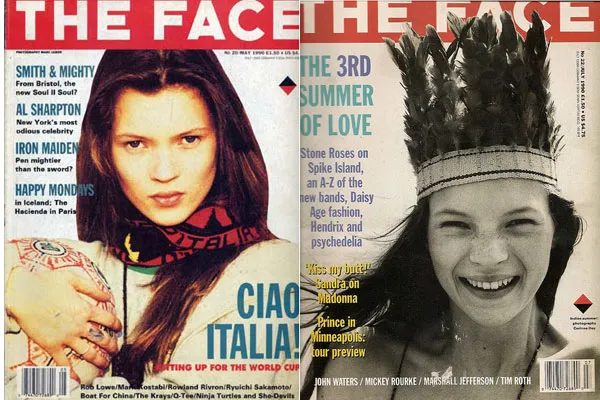
That same logic permeated the entire magazine, including its visual approach. Photographers like Corinne Day, Juergen Teller, David Sims, and Nick Knight found in *The Face* a space to experiment without the constraints of traditional fashion. In contrast to the polished, aspirational imagery of other magazines, *The Face* embraced a rawer, more direct, and emotional aesthetic.
But it wasn’t just a matter of imagery. It was also about design. Neville Brody’s covers and layouts introduced a completely new graphic language to fashion journalism. Aggressive typography, unexpected compositions, pages that read almost like posters. The Face didn’t just showcase culture—it designed it. And, above all, it contextualized it.
Because if anything made the magazine unique, it was its ability to move between different disciplines, which coexisted in the same editorial space without any problem: fashion, music, politics, street culture.
Its pages introduced the general public to acid house culture and the use of MDMA in the 1980s, when it was still a completely underground phenomenon. But it also tackled uncomfortable topics—such as child soldiers in Somalia. That balance between the trivial and in-depth reporting was, perhaps, its greatest achievement. And that was the magic: in a single issue, a story about clubbing, a radical fashion editorial, and a high-impact political report could all coexist.
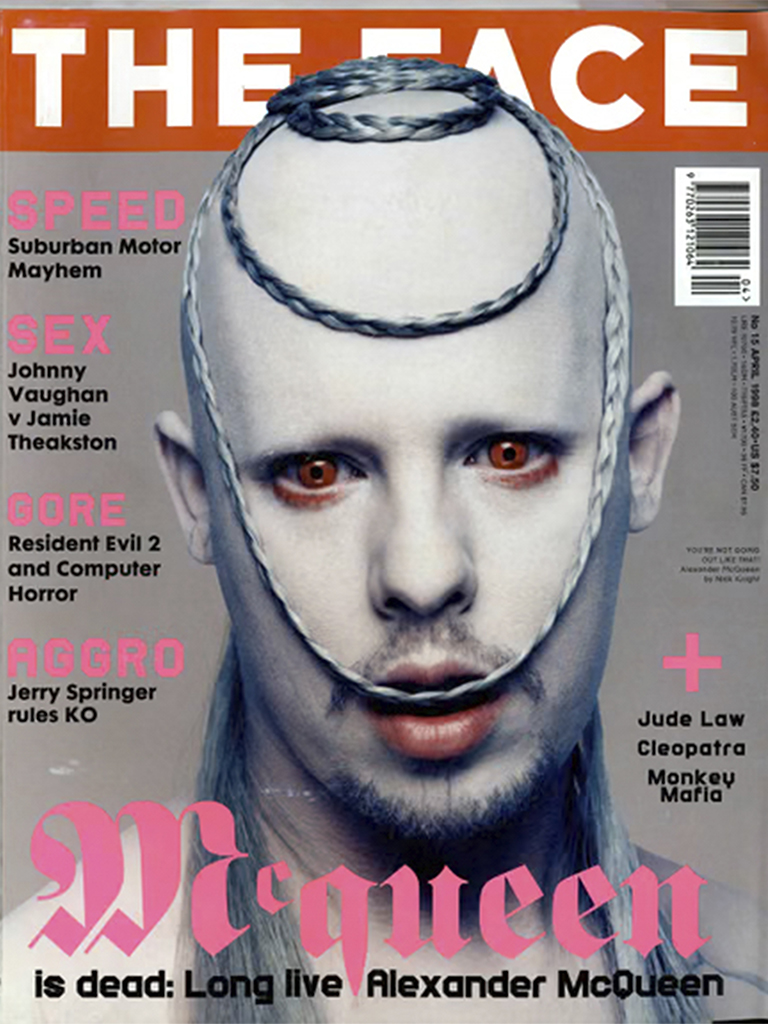
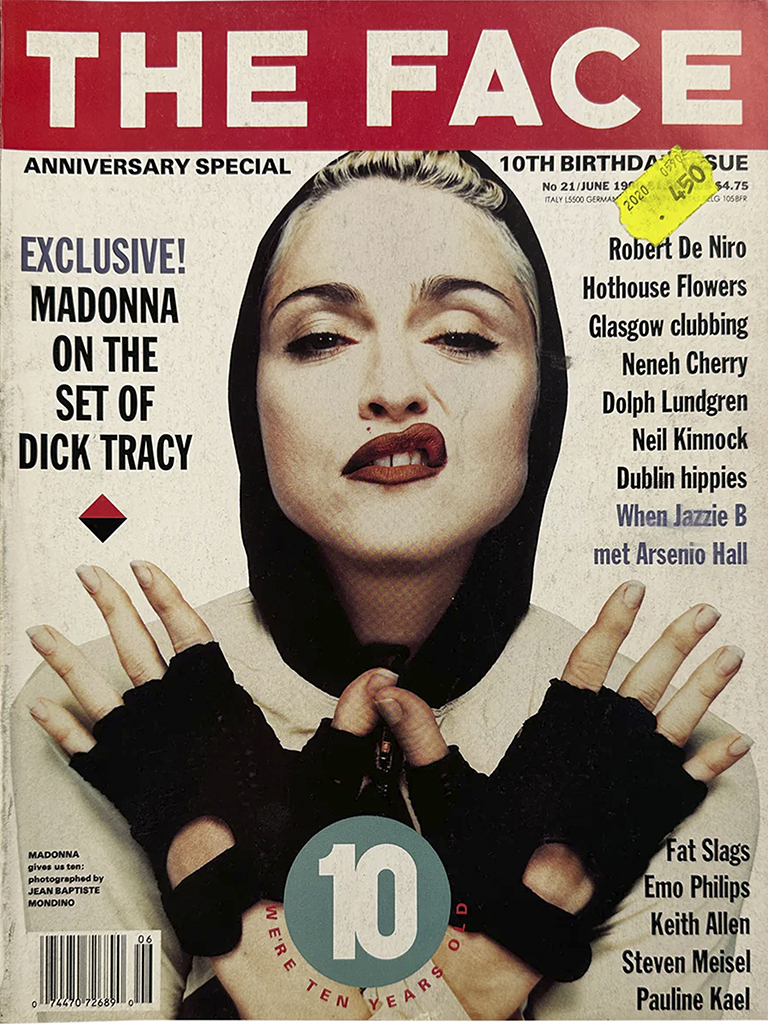
Even today, the very idea of combining politics with fashion is still revolutionary. Not even Vogue does it. But *The Face* never viewed culture as a series of silos, but rather as a living system where everything is interconnected. And in reality, it really is.
The 2019 relaunch attempted to recapture that spirit in a completely different context—faster, more saturated, more driven by algorithms. And while it managed to capture certain moments, it also highlighted something inevitable: the ecosystem that allowed The Face to exist is no longer the same.
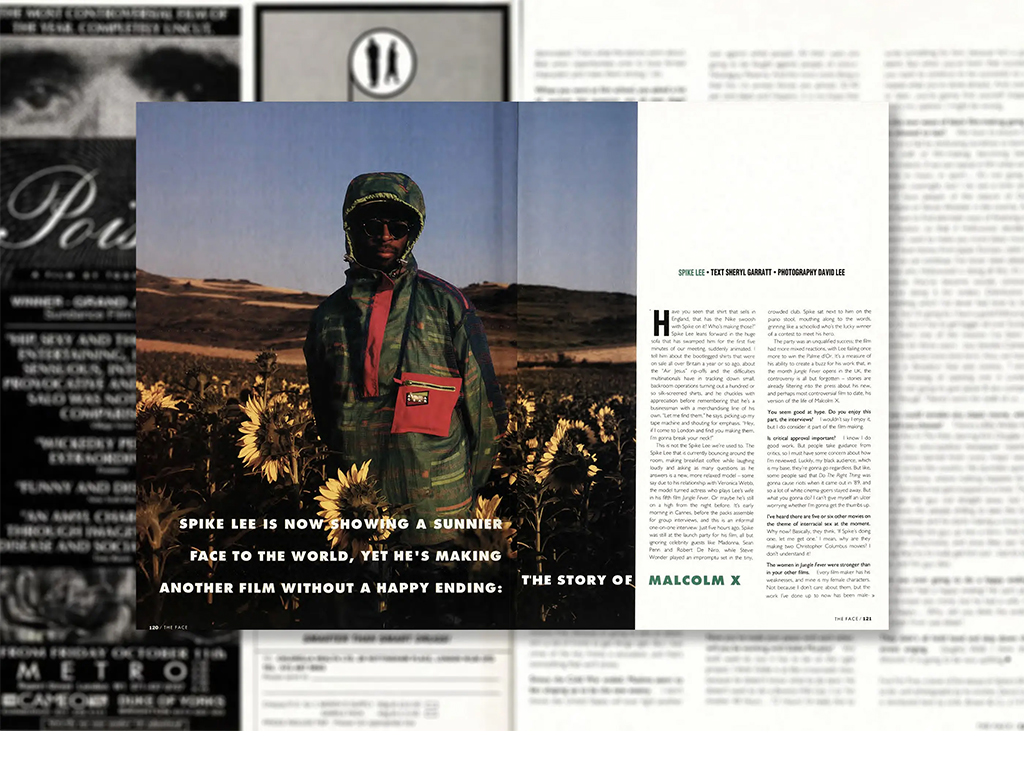
Today, subcultures are consumed almost as quickly as they emerge. Images circulate without context. And the media, more often than not, arrives later. Because beyond iconic covers or legendary names, The Face left a lesson that remains urgent: the importance of looking before everything is defined. Of detecting what has not yet been validated. And of understanding that fashion, when it truly matters, never stands alone; it always goes hand in hand with a social, political, and economic context—which is what shapes the individuals who consume it.
Sigue toda la información de HIGHXTAR desde Facebook, Twitter o Instagram