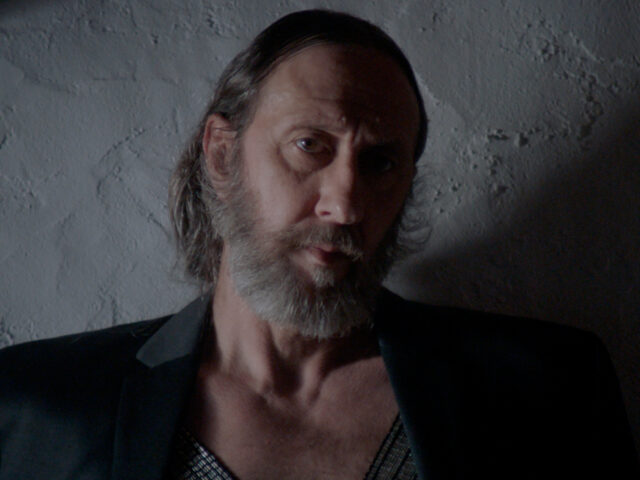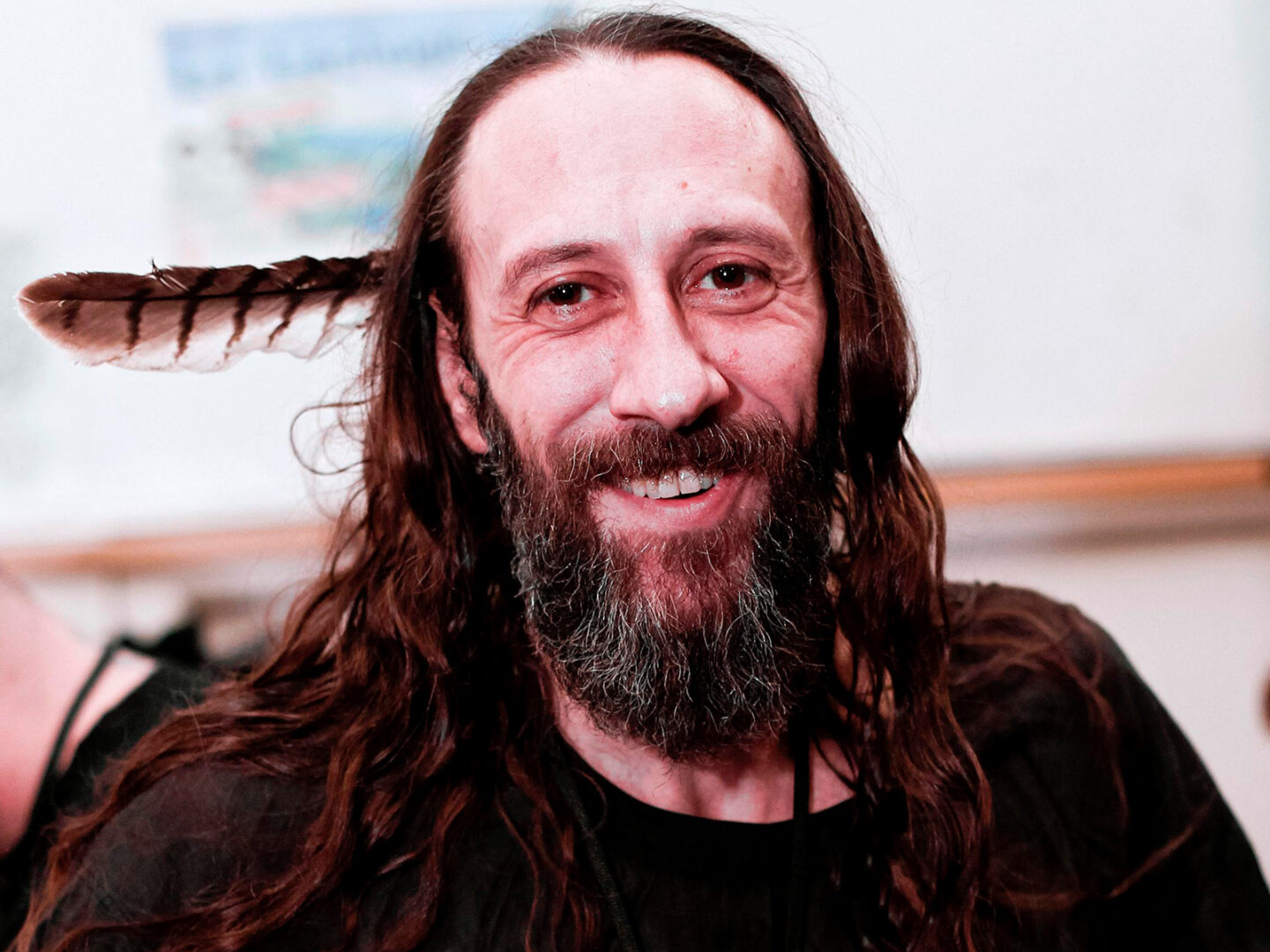
The name Miguel Adrover is back in the spotlight. It returns through *The Designer is Dead*, a documentary that revisits his life. Behind the project is Little Spain, the production company founded by C. Tangana alongside Santos Bacana and Cristina Trenas, which is taking a key step here: its first feature film with an outside director, Gonzalo Hergueta, who has been based in New York for over a decade.
After an exhaustive archival search, this film weaves a deeply human portrait of a forgotten legend. It explores whether it was the industry that turned its back on him, or whether the protagonist himself chose exile. Miguel Adrover—but who is he? How did he end up in New York? How did he go from being a star to someone rejected by the American system?
It all began in Mallorca in the 1970s and 1980s. His family worked for wealthy households, which allowed him to come into contact with affluent families in England—the very ones who took Miguel Adrover to England on seasonal exchange programs. That first—almost accidental—encounter would prove pivotal. There, he encountered a much more open creative scene, where fashion was a cultural phenomenon, transcending mere financial considerations. It was a time when names like Alexander McQueen were redefining the language of fashion, and he began rubbing shoulders with them.
In the early ’90s, Adrover arrived in New York with no connections. He worked as a janitor, window cleaner, and floor scrubber in Queens, while living in a small basement apartment in the East Village. He began collecting things from the street, and that’s where he started building his language: recycling garments, concepts, and ideas with an intuition that didn’t yet have a name, but did have a latent direction and relevance.
In 1995, together with American tailor Douglas Hobbs, he founded Horn, a store in the East Village that would go on to become a key hub of New York’s underground scene. There, he sold his T-shirt line, Dugg, alongside pieces by designers such as Alexander McQueen. Horn was not just a store but a place where new designers could showcase their work outside the traditional, elitist, and conservative New York fashion circuit.
In early 1995, he began showing his collections. Within a few years, Miguel Adrover moved from the periphery to the industry spotlight. His runway debut marked a turning point. He introduced appropriation, recycling, and recontextualization at a time when those codes were not part of the dominant discourse. Altered logos, reimagined garments, diverse casting… New York—until then rigid—began to react. Adrover became a phenomenon. In 2000, he won the CFDA’s Emerging Designer of the Year award. Figures like Anna Wintour endorsed his work. But friction also began to arise.
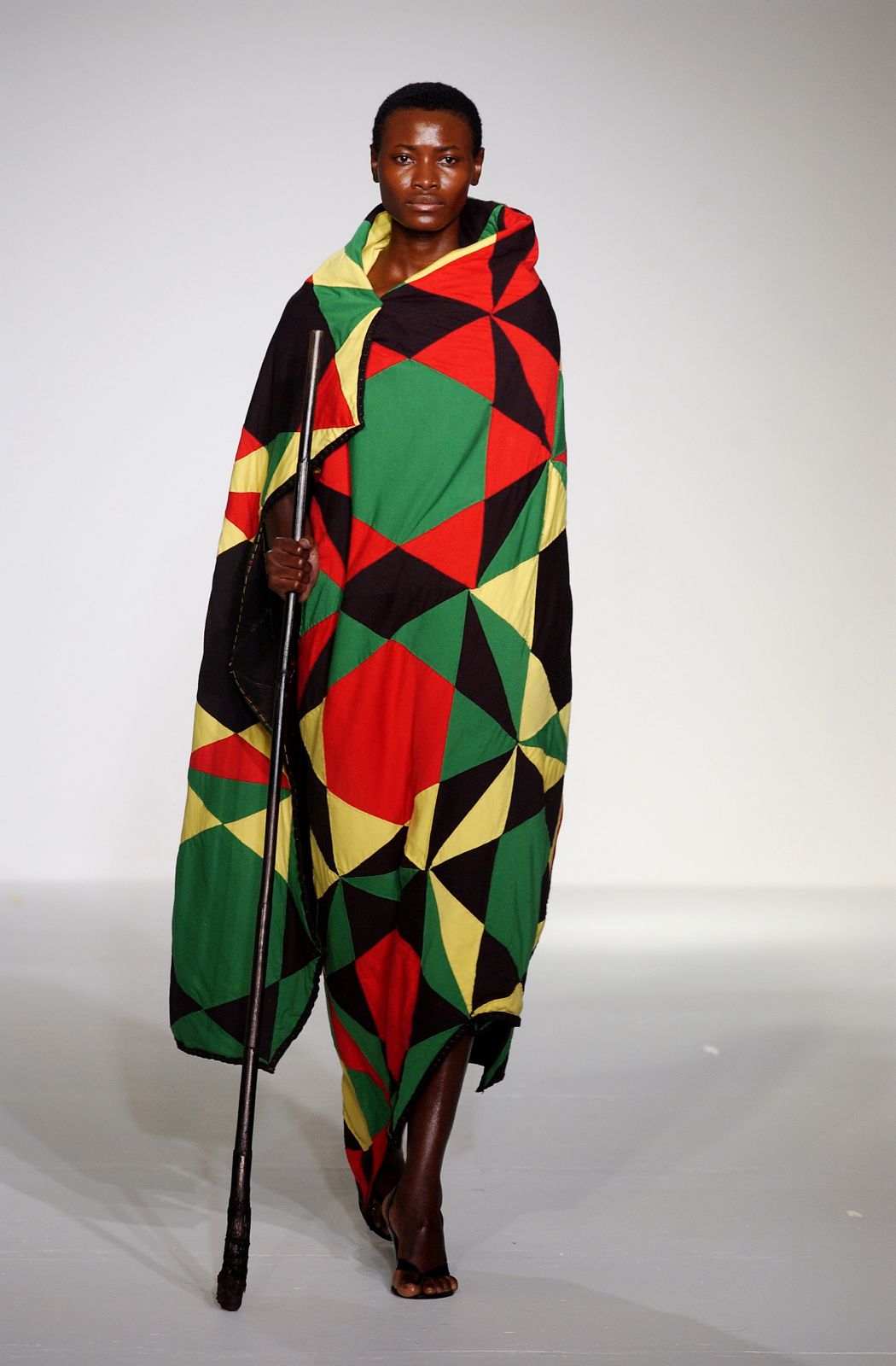
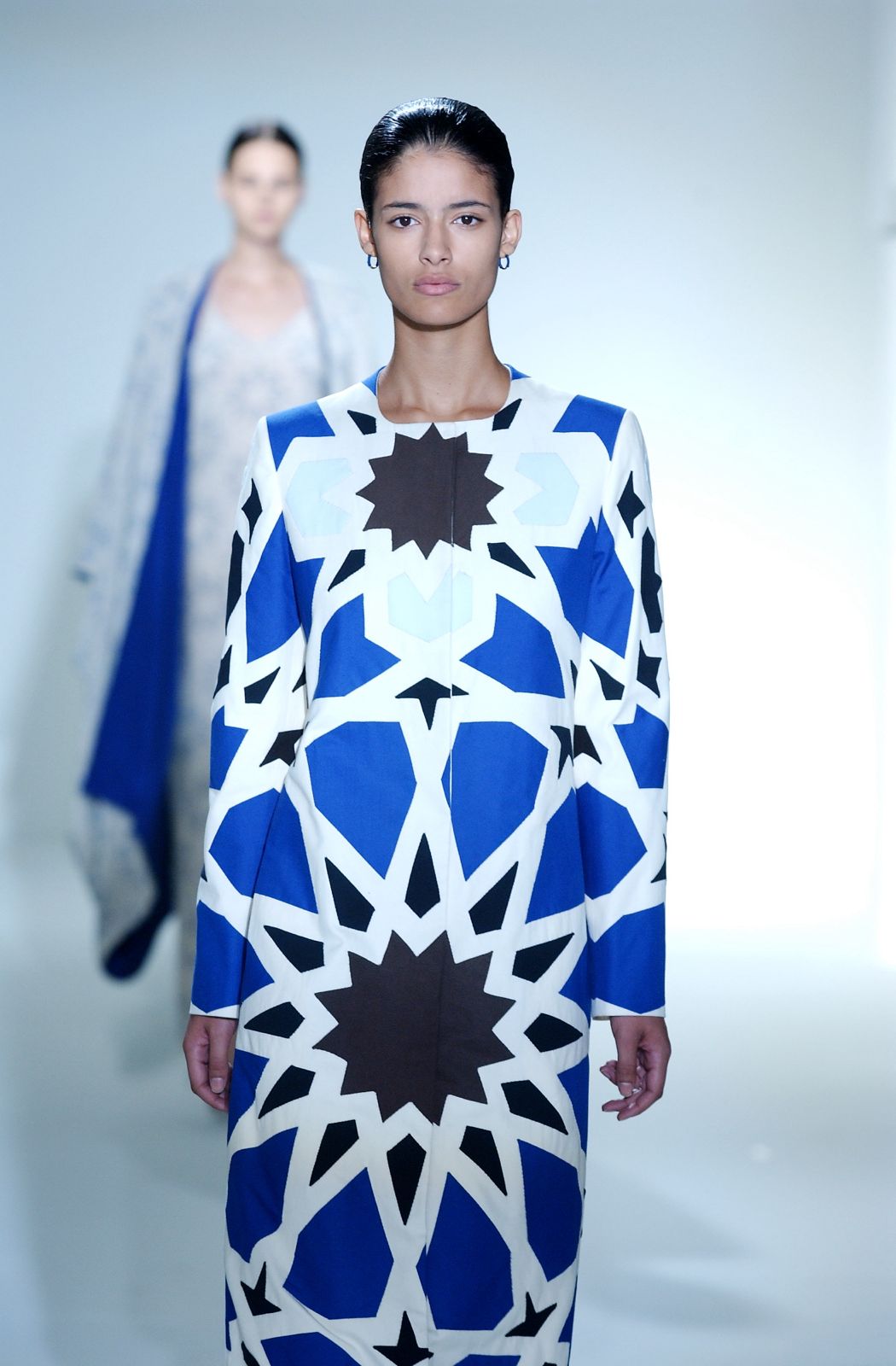
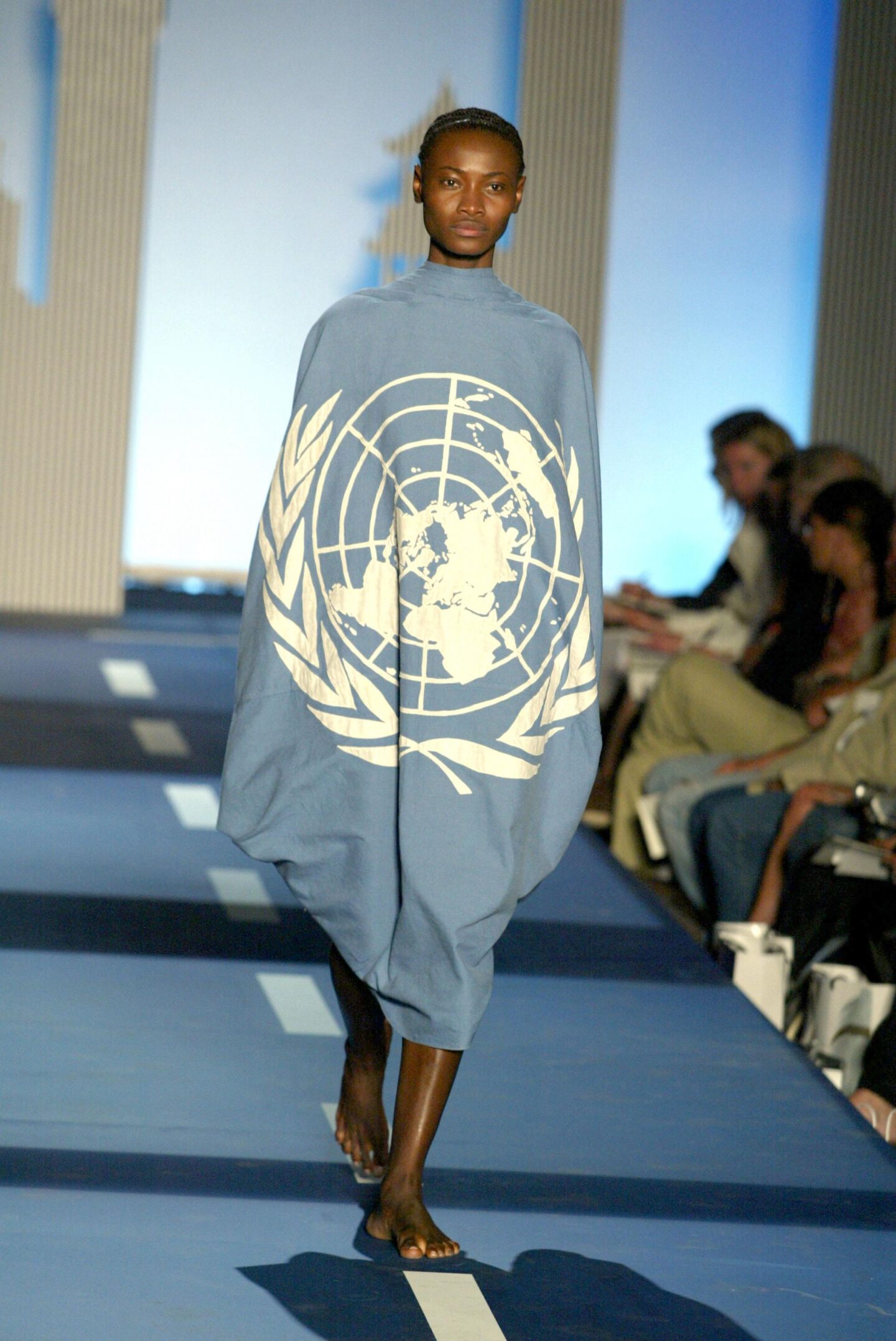
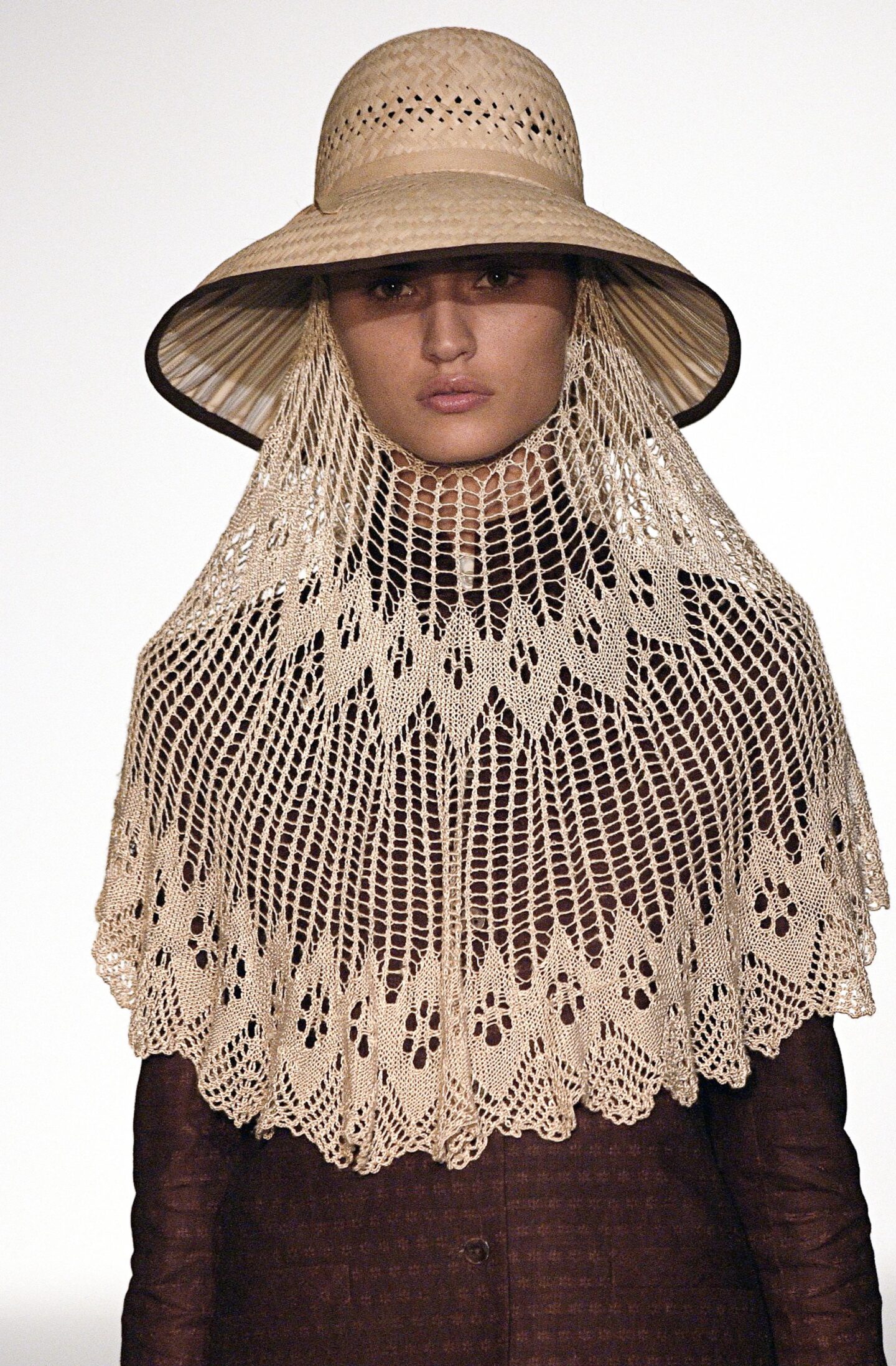
On September 9, 2001, he presented a collection in the city. Two days later, the September 11, 2001, attacks took place. From that point on, everything changed radically. The United States no longer wanted any discourse in the country that glorified Middle Eastern culture. And Adrover, who was obsessed with Arab and African cultures—a fact he made clear in all his shows—began to be rejected by the very system that had propelled him.
Adrover was never a designer who fit comfortably into the system, but from that moment on, he fit in even less. He turned down investments, avoided commitments that involved losing creative control, and even declined collaborations. What had initially been an escape route—leaving Mallorca, finding a means of expression, building a career—began to feel like a rigid structure, bound by deeply capitalist rules.
In the mid-2000s, he disappeared from the public eye. There was no dramatic media fall from grace, but rather something much quieter: a gradual withdrawal. His “Utopia” collection marked that final distancing. The system continued without him, and he remained outside the system.
It is curious how the very context that allowed him to “see the light”—to understand that another way of living and creating existed—is also the one that ultimately pushes him to reject it. Because that same system that allowed him to imagine a different life—freer, more creative, more expansive—was, at its core, deeply restrictive. A system permeated by the logic of money, constant production, and profitability above all else.
Today, his practice lies entirely outside the industry. On Instagram, he pursues a personal artistic project and a clear political stance without any form of mediation. In the documentary, he repeats an idea several times: he doesn’t create for people to see. But is it possible to create without an audience? Or does all creation—even the most intimate or radical—require an outside gaze to be complete? The contradiction within him, in this sense, is particularly interesting.
His work has always been deeply communicative: appropriating symbols, intervening in logos, recontextualizing garments… All of that only makes sense if someone understands it, or at least receives it. Because if anything defines any creative discipline—it is its status as language. Creating implies transmitting, but also being read. There is always an other, even if only imagined.
The documentary directed by Hergueta reconstructs his entire career through unpublished archival footage and key testimonies such as those of Jennefer Hoffman and Robin Givhan (Pulitzer Prize winner). Beyond the biographical journey, the film offers a reflection on the limits of success and the fragility of the fashion system. The very fact that they managed to film with Adrover—an elusive figure who rarely grants interviews—is significant in itself.
Sigue toda la información de HIGHXTAR desde Facebook, Twitter o Instagram