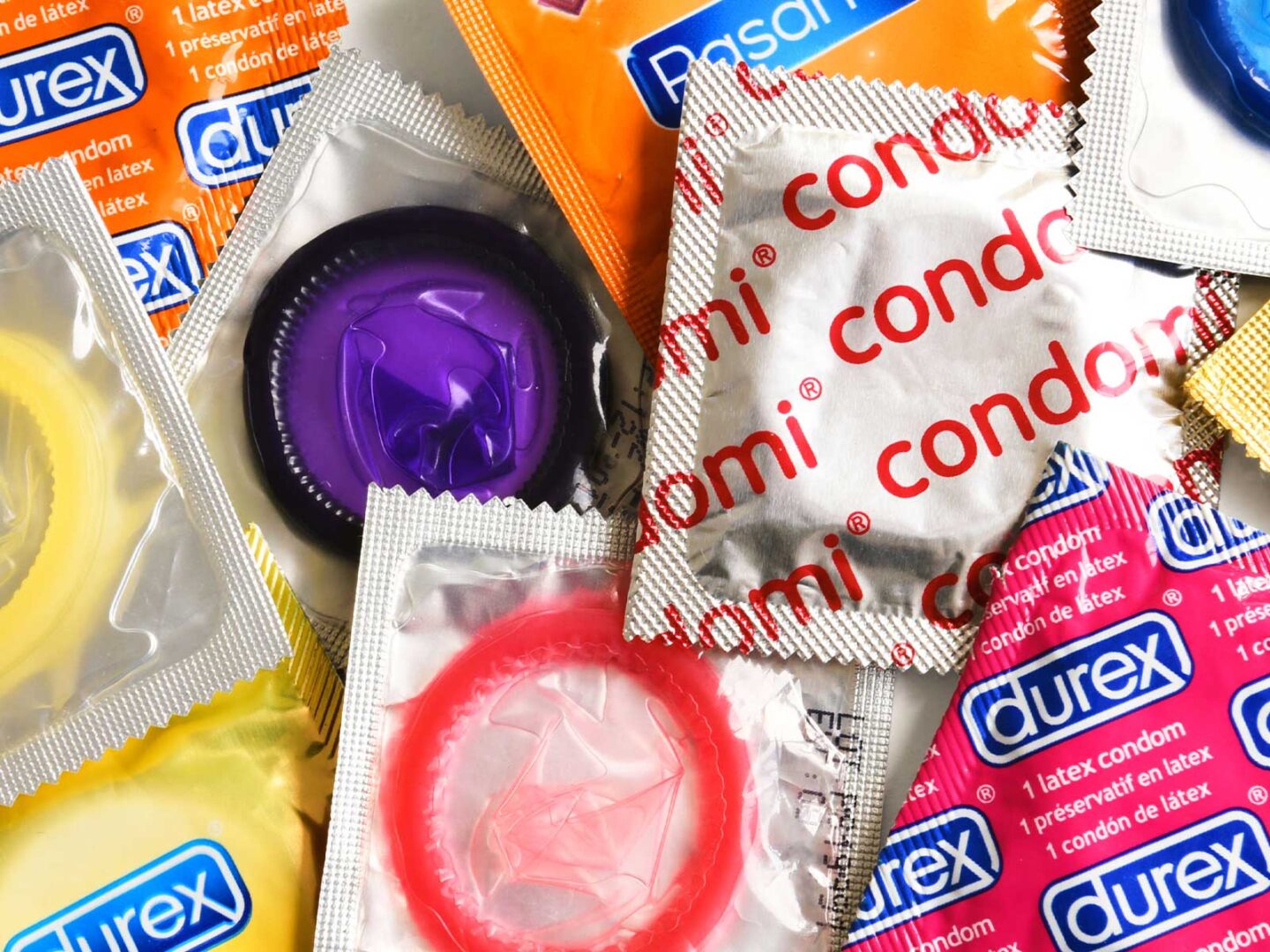
Using condoms today is no longer just a matter of prevention, sexual health or family planning. It is also becoming a matter of household finances. Against an increasingly turbulent international backdrop, the war in the Middle East continues to bring global markets to their knees and spread its effects to sectors that, until recently, seemed immune to geopolitical upheaval. Among these, one sector stands out as particularly telling: that of condoms.
The world’s leading condom manufacturer, the Malaysian company Karex Bhd, has announced that it plans to raise its prices by between 20% and 30%, and does not rule out further increases if tensions with Iran continue to affect the global supply chain, particularly due to the impact of the blockade of the Strait of Hormuz. Not even a product essential to public health can now escape the logic of oil, war and the logistical fragility of the contemporary world.
Karex produces more than 5 billion condoms a year and supplies not only leading brands such as Durex and Trojan, but also public health systems such as the UK’s National Health Service and international aid programmes run by the United Nations. “The situation is extremely precarious and prices are high. We have no choice but to pass on the current costs to customers,” explained Goh Miah Kiat, CEO of Karex Bhd.
The rise in the price of condoms is a direct consequence of the increased cost of energy and petroleum-derived raw materials. According to the company, the rise is already affecting virtually all components involved in production: from synthetic rubber and nitrile to packaging materials, plastic, aluminium foil, the ammonia used to preserve latex, and lubricants such as silicone oil. Everything costs more. Everything takes longer.
And yet, what is most striking is not just the rise in prices, but the fact that this coincides with a rise in demand of around 30 per cent. In times of crisis, one might expect consumption to fall. But the exact opposite is happening. Consumers, fearing they will run out of supplies, are stockpiling. This is behaviour that has been seen before during periods of uncertainty: the fear of shortages drives people to buy, and that buying in turn increases pressure on supply.
The consequences of this situation go far beyond private consumption. We are talking about a product on which national health systems, UN-funded programmes, prevention campaigns and millions of people depend. But of course, the market does not distinguish between a necessity and an opportunity to pass on costs. It is indifferent to what it is selling. It makes no difference whether it is fuel, food or condoms.
We were told that globalisation would bring efficiency, abundance, the free flow of goods and shared progress. And here we are, discovering that a conflict in a strait can turn a condom into a minor logistical luxury. We were promised free markets; what we have is market dependency. And now it turns out that even the most basic act of personal hygiene must pass through the customs of fossil fuels and corporate opportunism.
Sigue toda la información de HIGHXTAR desde Facebook, Twitter o Instagram