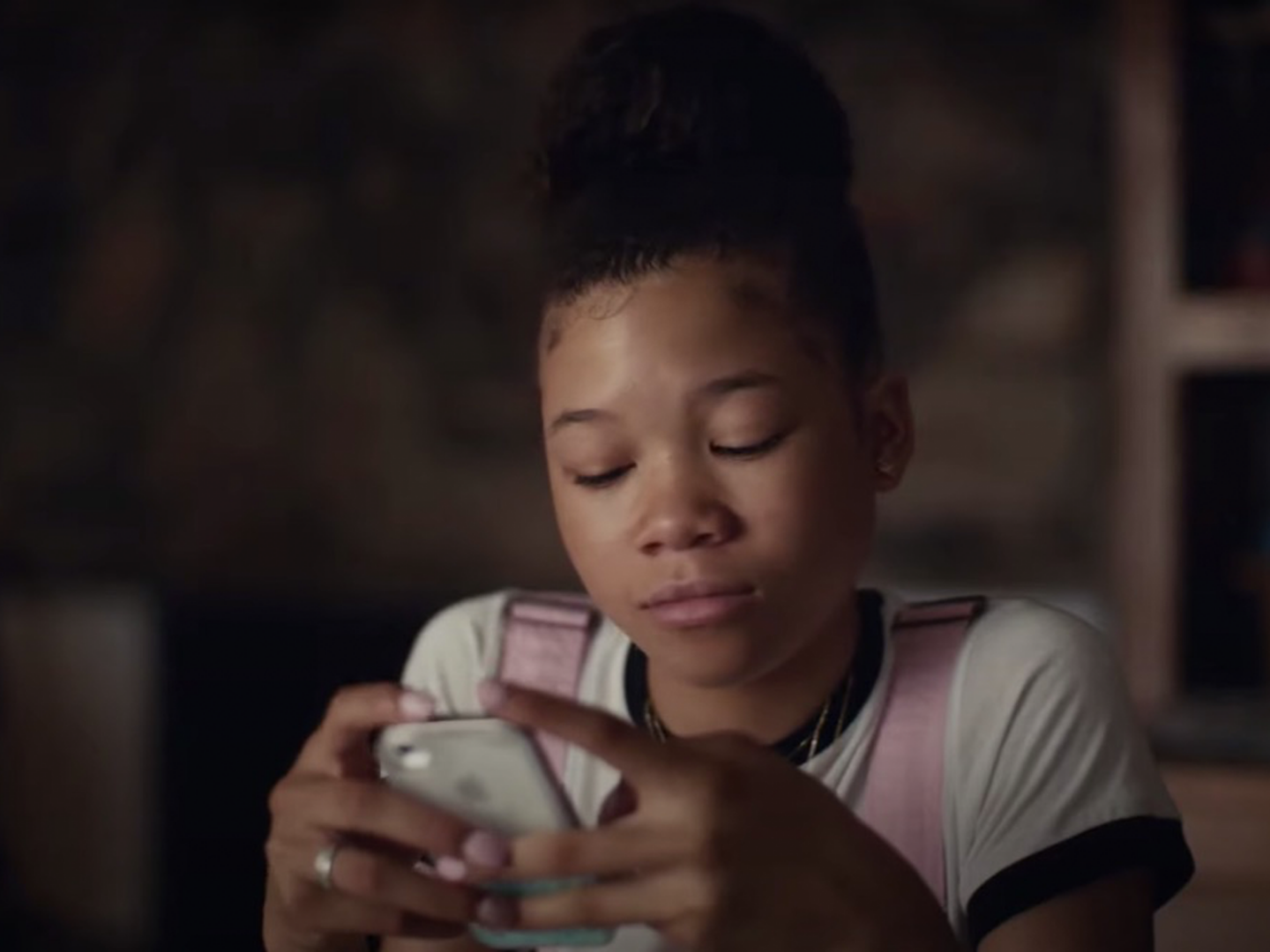
During his speech at the World Governments Summit in Dubai, Prime Minister Pedro Sánchez announced that Spain wants to ban children under 16 from using social media, even with parental permission, and force platforms such as Instagram, TikTok and X to properly verify users’ ages, rather than relying on a simple tick box that can be easily falsified.
This is part of a broader five-point plan aimed at increasing oversight and accountability across major digital platforms, although the age limit is the measure that will most directly affect millions of young people and families.
What exactly is the government proposing?
Beyond the age limit, the government plans to launch a tool to measure how much hate and conflict circulates on each platform. The aim is to identify, through data, which networks amplify the most harmful and divisive content, and to use that information as a basis for possible penalties.
The law would also be changed so that top executives at tech companies could be held personally responsible if illegal or hateful content is allowed to remain on their platforms. Until now, penalties have fallen on companies; under the reform, executives themselves could be held liable.
Another measure would make it a criminal offence to manipulate algorithms when they are used to promote disinformation, deception or illegal content purely for profit.
The government will also work with the public prosecutor’s office to investigate and bring to court crimes committed through social networks and AI tools such as Grok, TikTok and Instagram, particularly where illegal or harmful material is involved.
Which platforms could be affected?
Although no final list has been published, the focus is on major social networks such as Instagram, TikTok, Grok and X — platforms built around constant content sharing and public interaction. These are the services where age checks and exposure to harmful material are seen as the biggest concern.
Services that function more like private messaging, such as WhatsApp, or platforms with more limited uses could fall outside the ban, though this will be decided in the final rules.
Why set the limit at 16?
The decision did not come out of nowhere. The European Parliament has already backed proposals setting 16 as the minimum age for social media, in order to protect young people from commercial exploitation and psychological harm.
Mental-health experts have also pointed out that the adolescent brain continues developing into the early twenties, and that heavy social-media use can worsen anxiety, addiction and sleep problems if not properly limited.
Psychologists quoted in Spanish media argue that the measure is best seen as preventive care rather than punishment, and as a complement to digital education at home and in schools.
Not an isolated move: a global trend
Spain is not acting alone. Australia has already passed laws banning social media for under-16s, becoming one of the first countries to do so. European nations such as France and Denmark are also moving in the same direction, though with different age limits in some cases.
How are the big tech companies reacting?
While the Spanish government pushes ahead with its plans, the major platforms are keeping quiet. According to El País, Meta, which owns Facebook and Instagram, has declined to comment until the full details are known. Alphabet, the parent company of YouTube, has taken the same position.
The situation is different at X, which no longer has a press office after being bought by Elon Musk in 2022. Musk himself reacted publicly, attacking Spain’s prime minister in a post on the platform, calling him a “tyrant and traitor to the people of Spain”.
The contrast is striking: while governments talk about limits, verification and responsibility, the companies that control the world’s largest attention platforms are, for now, staying out of the conversation.
What do parents and experts think?
According to surveys reported in Spanish media, many parents in Spain and elsewhere support raising the minimum age, mainly out of concern for mental health and emotional wellbeing.
At the same time, analysts warn that a ban alone is not enough. They argue it must be paired with digital education, family support and practical tools so that young people can learn to navigate the internet with confidence and critical thinking.
The age of digital disconnection: are social networks on their way out?
Sigue toda la información de HIGHXTAR desde Facebook, Twitter o Instagram