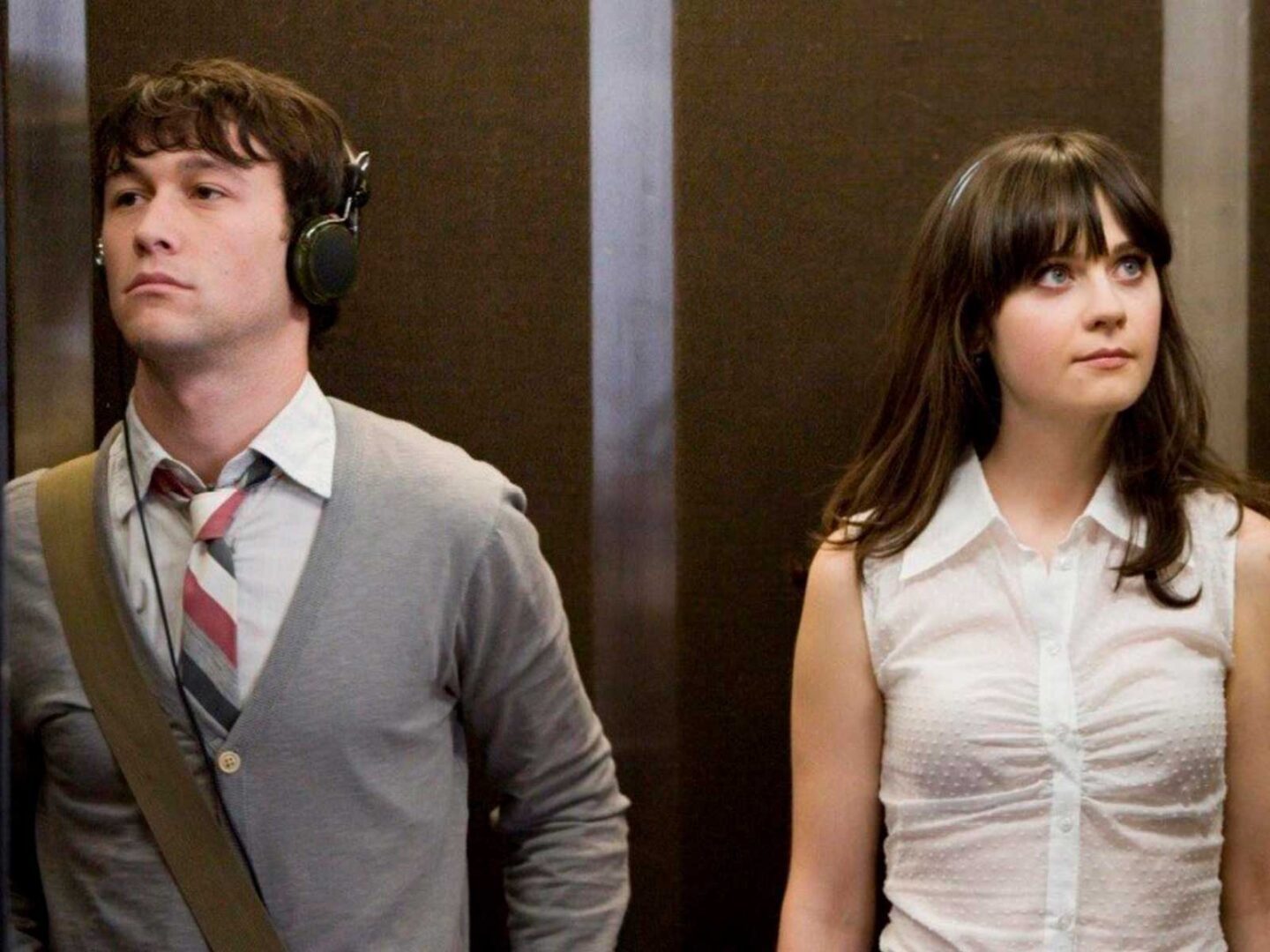
A single gesture, a poorly chosen phrase, or an unexpected reaction is enough for desire to withdraw without explanation. The “ick” describes this sudden withdrawal of desire, increasingly common in contemporary relationships. Is it emotional intuition or a symptom of a culture that has learned to dismiss rather than understand?
For centuries, the loss of interest was a slow process, often described as disappointment, wear and tear, or disenchantment. Today, however, it can happen in seconds. The “ick” describes that precise moment when a budding connection breaks down over a seemingly irrelevant detail: a way of speaking, moving, or addressing a waiter. The attraction, which seemed solid just minutes before, evaporates.
From a psychological perspective, the phenomenon can be interpreted as the collapse of initial idealization. In the early stages of a relationship, attraction is built on projections, strategic silences, and a gentle suspension of disbelief. The “ick” appears when this structure crumbles through the slightest crack. Sometimes it’s intuition; Others, simply intolerance of dissonance.
From TV anecdote to cultural phenomenon
Although today it seems like a term native to TikTok, the “ick” first appeared on a British reality show, when a contestant confessed to having lost interest in her partner because of something trivial. Since then, the term has circulated in trend magazines, been analyzed in TIME, entered the Cambridge Dictionary, and been incorporated into television fiction as a narrative device.
Social media, especially TikTok, has acted as a cultural accelerator. Thousands of videos recount scenes that triggered the “ick”: a specific laugh, a look, a poorly managed insecurity. What’s relevant is not the anecdote, often trivial, but the collective recognition. The “ick” has become a shared grammar of disenchantment. Private repulsion acquires value and is presented as a warning.
Gender as a Variable (and Its Limits)
Academia has attempted to categorize the phenomenon. Chloe Yin, along with Brian Collisson and Eliana Saunders, analyzed 86 TikTok videos tagged with #theick and found recurring patterns: rudeness, especially toward service staff, clothing choices considered inappropriate, narcissistic attitudes, and misogynistic behaviors.
A subsequent study, conducted with 125 heterosexual individuals, further refined the results. Women tended to experience “ick” in response to misogynistic comments or when their male partners deviated from certain norms of masculinity. Men, for their part, showed aversion to aspects related to women’s physical appearance or embarrassing behavior in public.
The authors warned that these types of reactions can reinforce gender stereotypes and generate unrealistic expectations in relationships. Rafael San Román, therapist and author of What Should I Tell My Psychologist? (2024), explains: “Like and repulsion are deeply linked to personal history and learning. Reducing them to a strictly gendered logic is overly simplistic.”El género como variable (y sus límites).
Intimacy, Cohabitation, and the Wear and Tear of Fantasy
Journalist Kate Lindsay posed an uncomfortable question in GQ: why do so many women seem to experience rejection of seemingly minor flaws in their male partners? Her answer moves away from moralizing and closer to the reality of cohabitation. The “ick” doesn’t arise from distance, but from closeness.
As a relationship progresses, fantasy gives way to the everyday. Habits, awkwardness, and less-than-elegant gestures emerge. The “ick” can then be understood as the clash between the idealized image and shared reality. It’s not so much intolerance as an inability to integrate the human element when it ceases to be attractive.
The problem isn’t discovering that the other person doesn’t fit the initial fiction. The problem is not knowing what to do with that information.
The Logic of Discard in the Age of “Next”
The rise of the “ick” cannot be separated from the technological context in which it occurs. Dating apps have normalized an economy of desire based on apparent abundance and rapid discarding. As journalist Elle Hunt points out, the pace of contemporary dating encourages attraction to be abandoned before it has time to develop.
San Román agrees: “Emotional exhaustion has always existed. What has changed is how that exhaustion is managed. Today, at the slightest friction, the stimulus is replaced. Hyperabundance reduces tolerance for discomfort.” In this sense, the “ick” can be interpreted less as refined intuition and more as a symptom of our times. An aversion to relational effort.
Intuition, self-protection, or self-sabotage?
Some data suggests that the “ick” also functions as a defense mechanism. A survey cited by Elle Hunt indicates that 35% of singles experience rejection when someone seems “too good to be true” or when the fear of getting hurt arises. In these cases, the “ick” doesn’t protect against the other person, but rather against the possibility of becoming involved.
Ultimately, the ick seems less like an unquestionable emotional truth than a cultural product amplified by the content industry. As Rafael San Román summarizes, “the hypernormalization of affective experience to make it consumable ends up distorting it,” transforming private sensations into universal criteria for rejection.
Perhaps the ick shouldn’t be eliminated, but rather contextualized. Listen to intuition without turning it into dogma. Learn to distinguish between a sign and an excuse. And remember that desire, unlike an algorithm, rarely works well when it’s demanded of immediate perfection.
Sigue toda la información de HIGHXTAR desde Facebook, Twitter o Instagram