The Super Bowl has historically functioned as one of the great rituals of national consensus. A space where political and social conflict seemed to be suspended for a few hours, absorbed by the spectacle, the sporting epic, and a shared—albeit fragile—idea of unity. What is happening now is that this ritual is cracking. Not because artists are politicizing it, but because the United States can no longer sustain the fiction of a depoliticized culture.
What we are seeing this media winter—from the Grammys to the controversy over whitewashing in Hollywood with the case of Odessa A’zion—is that culture has ceased to function as mere decoration and has become a visible political articulation. It is no longer enough to represent diversity: context has entered the picture.
At the 68th Grammy Awards, several of the most talked-about speeches of the night revolved around structural racism and the repression experienced by certain communities within the country. Billie Eilish appealed from the podium to historical memory and collective mobilization, while other attendees wore the slogan ICE OUT on their clothing. The most powerful moment came with Bad Bunny, who, after winning the Grammy for Album of the Year for Debí Tirar Más Fotos—the first entirely Spanish-language album to do so—used his speech to denounce aggressive deportation policies and remind everyone of something as basic as it is uncomfortable: that migrants are people, not animals or “aliens.”
This gesture was a direct accusation against the state apparatus. Bad Bunny has done nothing but talk about what directly affects his community: immigration policies, raids by Immigration and Customs Enforcement, the real fear of many fans of attending concerts for fear of deportation. He has even parodied Donald Trump himself in a music video, imagining an impossible apology from the president to immigrants.
Meanwhile, the industry continues to demonstrate that its relationship with diversity is, at best, ambiguous. The case of Odessa A’zion, who left a project after discovering that the Latino character she was going to play had been “destrained” in the script, shows that whitewashing is not a thing of the past. It is a logic that is still in operation, reappearing when representation conflicts with the comfort of the offices, financial calculations, or the taste of the imagined viewer.
That pattern hasn’t disappeared; it has simply been refined. It no longer presents itself as an openly exclusionary decision, but rather as “script adjustments,” “production details,” or supposedly neutral choices. Diversity is welcome as long as it doesn’t alter the actual functioning of the system.
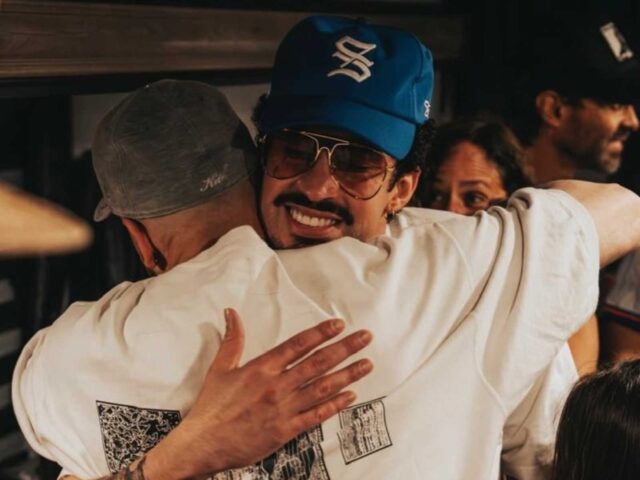
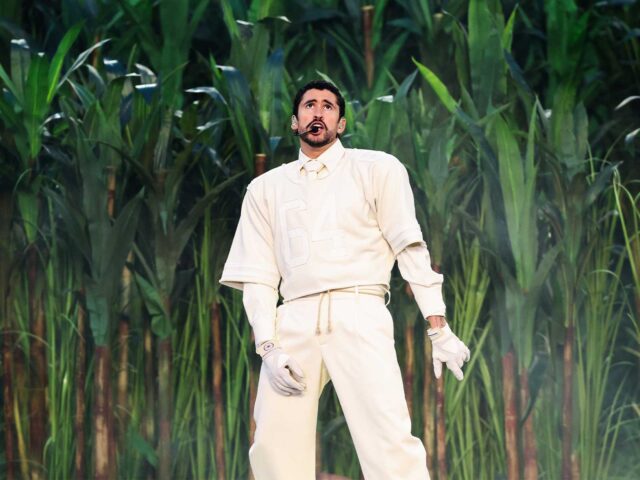
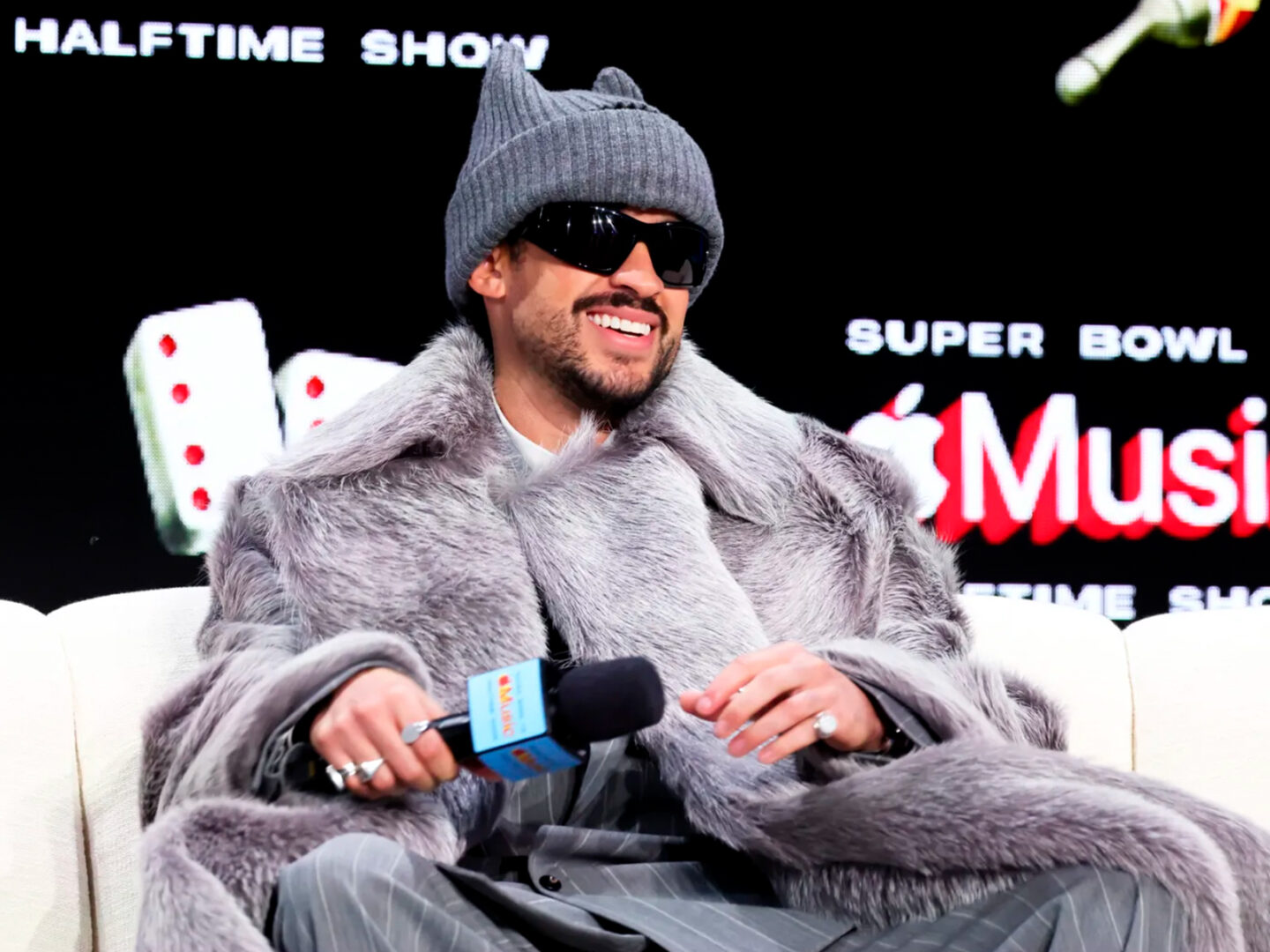
And here we return to the Super Bowl. What is happening with Bad Bunny is not only that he represents a historic achievement—the first Latin and Spanish-speaking artist to headline the halftime show of the most-watched event on the planet—but that he serves as a symptom. In the United States, transgression is often accepted superficially, but rarely structurally. And Bad Bunny, through his career and positioning, directly challenges the official narratives on immigration, identity, and belonging.
The reaction was swift. Donald Trump and conservative sectors have attacked his presence at the Super Bowl, calling it “hate-mongering” or “anti-American propaganda,” while groups such as Turning Point USA are promoting parallel shows with artists aligned with country and more traditional rock music. This is not a musical discussion, but rather a dispute over the cultural narrative that reveals a prevailing contradiction: Black and Latino culture can be celebrated within the official repertoire of American entertainment, but it becomes intolerable when its representatives point to deportations, migration, and structural racism.
This year’s Super Bowl will be remembered as a moment when the United States was forced to look itself in the mirror. A country that consumes Black and Latino culture as the engine of its global industry, but which becomes uncomfortable—and defensive—when that same culture points out the material conditions that affect it: raids, borders, racialized bodies, lives at risk.
Neither the Grammys, nor whitewashing in Hollywood, nor the political backlash against Bad Bunny exist in isolation. They are part of the same structure that celebrates diversity while attempting to empty it of meaning. It applauds Bad Bunny or Kendrick Lamar, but becomes uncomfortable when the message is no longer convenient. The same country that exports its music, its spectacle, and its soft power to the world becomes uncomfortable when those cultural expressions hold up a mirror to it.
As with most major sporting events, the Super Bowl was for years a shared ritual, a fiction of unity sustained by spectacle. What we are witnessing now is not its politicization, but the exhaustion of that fiction. And not because of the artists, but because it is no longer possible to pretend that culture can exist outside of racial inequality and institutional violence.
Sigue toda la información de HIGHXTAR desde Facebook, Twitter o Instagram
You may also like...