From viral sensation to baking craze.
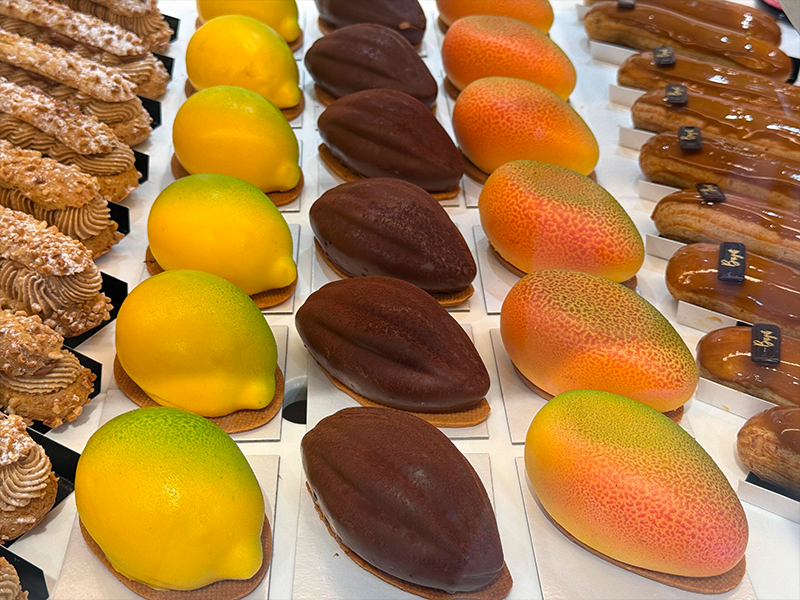
There was a moment, difficult to pinpoint exactly, when we began to see fake fruit everywhere on social media. Perfect strawberries, shiny lemons or coconuts identical to the real thing which, in reality, concealed mousse, ganache and various layers of cream inside. What began as a demonstration of technique within haute patisserie ended up becoming one of the most viral visual phenomena on the internet.
Although it may now seem like a new trend, chefs such as Cédric Grolet had been working in this style for years. His videos of cutting into seemingly real fruit to reveal perfectly constructed desserts inside helped turn this type of pastry into obsessively shared content on TikTok, Instagram and YouTube. The surprise effect was precisely the key; what looked like a simple mandarin turned out to be a dessert designed down to the last millimetre.
From luxury to the supermarket
With the viral sensation came queues, trips to Paris and videos of people trying Cédric Grolet’s famous desserts so they could post their reactions online. The usual taste tests helped the phenomenon grow even further and, as is the case with almost all internet foodie trends, similar versions began to appear in patisseries around the world. What once seemed exclusive to French haute patisserie eventually found its way into much more accessible formats, to the point where today hyper-realistic fruit is no longer a luxury reserved for the few, but a fully democratised trend.
The true indicator that a trend has reached its peak of popularity is usually its leap into mass consumption, and that is exactly what has happened with hyper-realistic fruit. Even Lidl has launched its own packaged version inspired by this visual phenomenon, demonstrating just how much this pastry aesthetic has ceased to belong exclusively to haute patisserie. The most curious thing is how a technique traditionally linked to artisanal precision and almost sculptural work has ended up becoming a quick and accessible product.
Are we witnessing the latest foodie craze?
It feels as though hyper-realistic fruit is starting to follow the same path as other major viral internet obsessions: impossible smash burgers, XXL croissants or desserts awash with pistachios. What initially seemed fresh and innovative ends up becoming a formula repeated ad nauseam. And yet, that doesn’t mean the technique has lost its merit. Behind the best creations, there is still a very high level of precision, creativity and pastry-making skill; the problem arises when the visual impact ends up mattering more than the flavour and all the versions start to look exactly the same. Because yes, the internet loves a good optical illusion… even if it only lasts a few months.
Ultimately, hyper-realistic fruit confirms something that has been happening in digital gastronomy for some time: many dishes are created with the camera in mind rather than the palate. As long as social media continues to reward the flashy and the excessively satisfying, we’ll keep seeing impossible foods and new versions of this ‘food porn’ — culinary content created to be visually irresistible and generate immediate desire online — designed to go viral in seconds. Perhaps the real question is no longer how long this trend will last, but what the next foodie obsession capable of conquering TikTok will be.
Sigue toda la información de HIGHXTAR desde Facebook, Twitter o Instagram
You may also like...