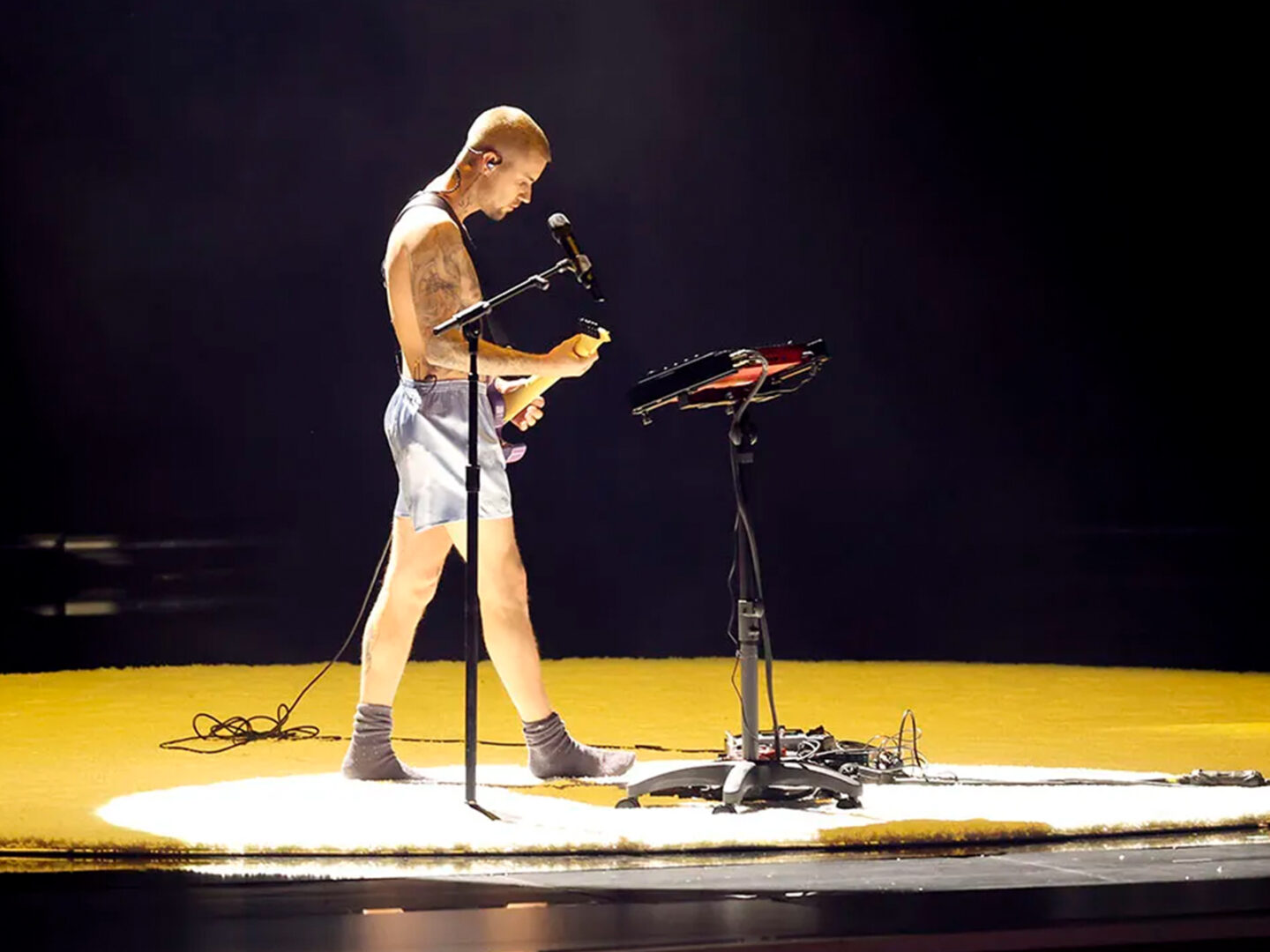
Justin Bieber appeared at the Grammys wearing boxer shorts and socks. He gave no explanation. He didn’t promote any brand. There was no storytelling, no statement, no press release. Hours later, the boxers were sold out. You might think it’s just another eccentricity, another viral moment to add to social media, but in reality, it’s a symptom of something much more refined: a new form of endorsement where nothing is advertised. Silent marketing? Invisible endorsement? In the end, the term matters much less than the gesture. The conclusion is that advertising placements have changed a lot, and the way artists do it shows that the landscape has changed.
Justin Bieber didn’t perform in his underwear to provoke. He performed in his underwear, Skylrk’s underwear. The difference is subtle, but key in the ecosystem we live in: saturation of collaborations, sponsorships, and brand discourse coming at us from all sides. For years, endorsement has been literal: normative campaigns, clear claims, obvious contracts. The artist lent their image to a product and the product did the rest. Today, that model is starting to creak. We have gone from “I’ll sell it to you” to “watch it exist.” Now, perhaps the real aspiration, the real “luxury,” is not explaining something in order for it to work.
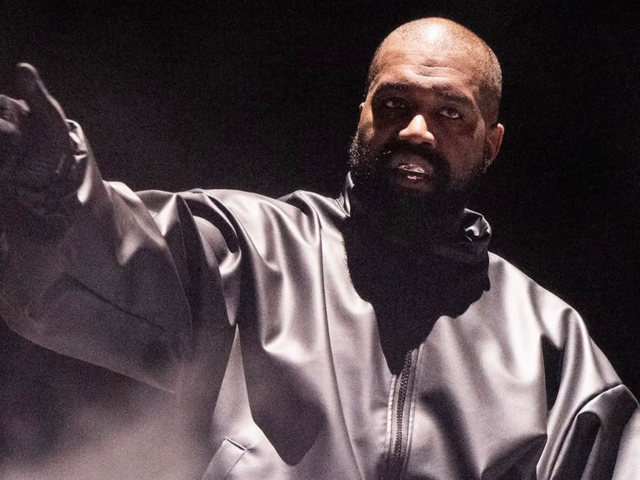
Yeezy was built on precisely that dynamic. Kanye West was already putting the product to the test on the street even before it went on sale. His brand was not launched with big campaigns or polished speeches, but with prototypes used as if they were final products. Impossible boots, nameless sneakers, garments that looked more like samples than final products, and which his entire gang—and his ex-wife Kim Kardashian—wore ad nauseam.
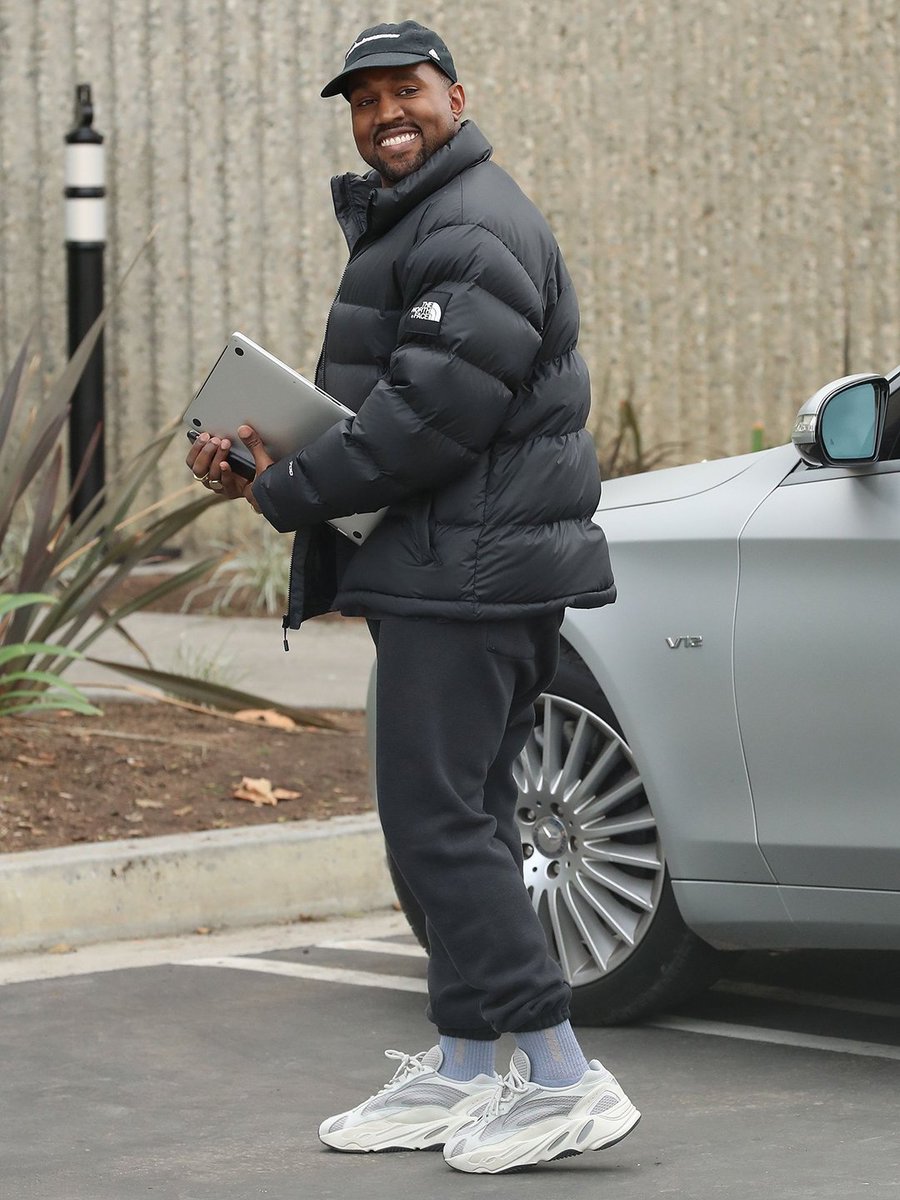
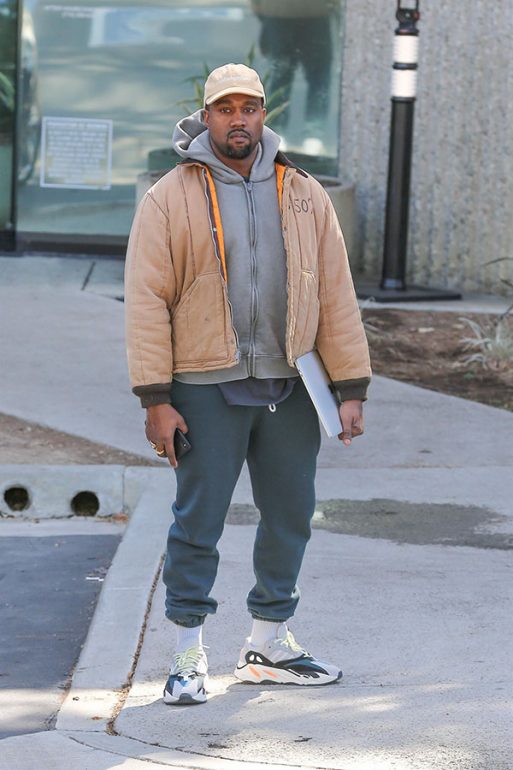
The public saw something unusual, asked what it was, and sought it out. The endorsement wasn’t in saying “this is mine,” but in wearing it as if it were already part of the landscape. Kanye wasn’t selling Yeezy, he was Yeezy. And that gesture—turning the process into a showcase—laid the foundation for what we now see as normal.
Something similar happened just a few days ago with A$AP Rocky in the front row of Chanel’s Haute Couture show. He appeared wearing oversized skeleton rings, custom handcrafted pieces inspired by Don’t Be Dumb, designed alongside his own jewelry brand, PAVĒ NITĒO, in collaboration with the historic Venetian jeweler Attilio Codognato. There was no official announcement, no presentation of the collection, no explanation whatsoever. Even so, the images circulated, the details were magnified, and the conversation took off on its own in every conceivable media outlet. The endorsement did not come from saying “this is my brand,” but from letting the object leak out in a context of maximum visibility. The product simply dropped itself.
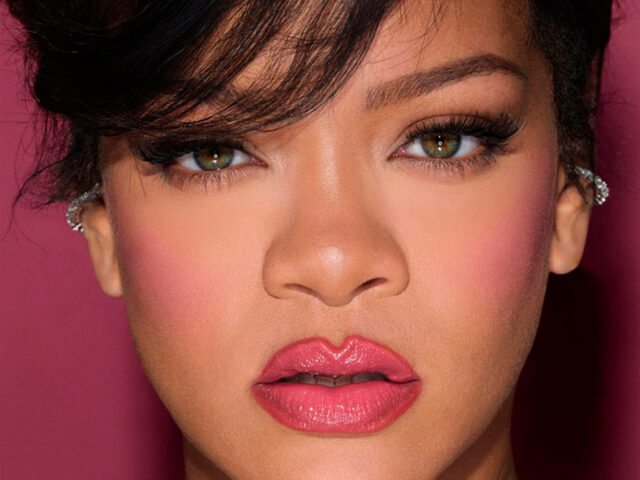
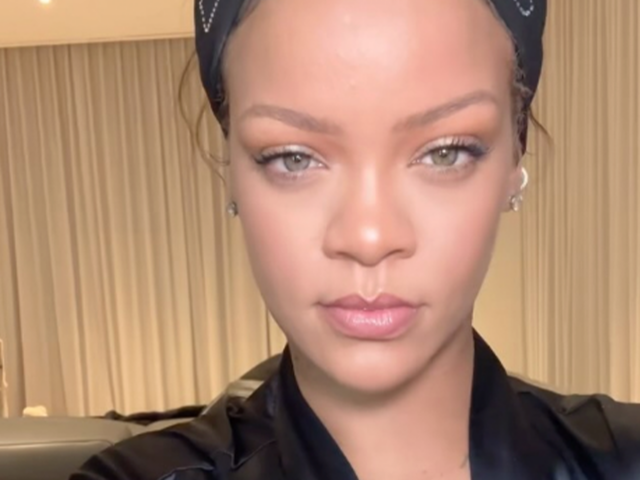
What Rihanna did at the 2023 Super Bowl was to truly understand what a showcase like that means for this type of product placement. In case you don’t remember, RiRi touched up her face in the middle of the performance with some Fenty Beauty powder. She didn’t introduce any new products, she didn’t send any explicit messages, she didn’t ask for attention. She simply appeared with that compact powder, touching up her makeup. Fenty Beauty didn’t need a logo or a slogan because it was already integrated into her public image. There was no “use this,” there was “this is me.”
The result was immediate: spikes in searches, organic conversation, skyrocketing sales. The endorsement worked precisely because it didn’t seem like one. Rihanna wasn’t advertising a brand; she was reinforcing an identity.
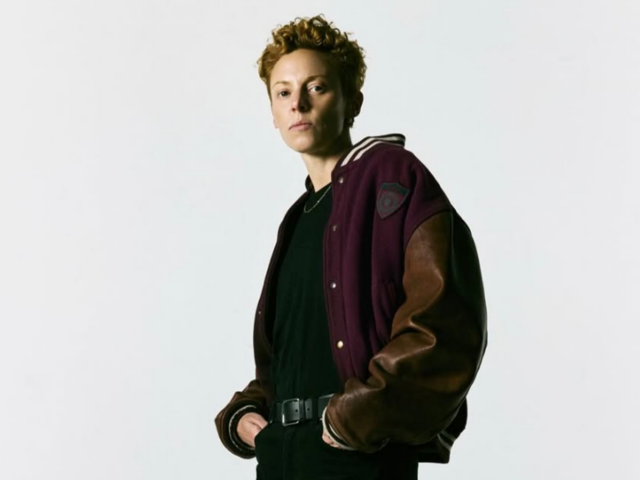
More recently, the case of Marty Supreme further highlights this organic endorsement we’re talking about. Before it officially existed as a film, the name became a brand in itself, conceived by Nahmias, who first began to appear on the body of its protagonist, Timothée Chalamet—without introduction, without context, without explanation—as if it had been around for years, and then through a gang that shared the same cultural context.
There was no announcement, just the repeated appearance of the same jacket with the name on it. The product wasn’t launched: it was leaked through KOLs such as Kendall Jenner and her sister Kylie, Kid Cudi… Marty Supreme didn’t explain himself, he just showed up. And that triggered exactly what he was looking for: curiosity, searching, cultural reading.
The interesting thing is not that it works, but that no one is surprised that it works this way anymore. The fact that a product sells out without having been announced says more about the cultural moment than the strategy itself. It is now taken for granted. It is not so much a new strategy as a logical adaptation to a context where everything is over-explained. When the noise is constant, a picture is worth a thousand words, right?
Sigue toda la información de HIGHXTAR desde Facebook, Twitter o Instagram
You may also like...