For years, seapunk was little more than a glitch in the history of the internet. A visual joke born on Tumblr where 3D dolphins coexisted with implausible renderings, poorly chosen fonts, and an almost childlike obsession with the color aqua. It didn’t set out to be a trend. It didn’t even set out to be taken seriously. And yet, it’s making a comeback.
What’s making a comeback isn’t exactly the aesthetic itself, but rather what it represented: a time when the internet wasn’t yet optimized, when visuals responded to impulses rather than algorithms. Seapunk was clumsy, excessive, even ugly. But it was also free. Now, more than a decade later, that imperfection has become just another aesthetic code.
In London, on TikTok, on the street, signs are beginning to appear: almost artificial blue hair, wet-look makeup, surfaces that look rendered rather than designed. It’s a way of reclaiming an aesthetic that was never refined.
In this shift, there are figures who act as bridges. FKA twigs is one of them. What’s interesting about her recent work isn’t that she references seapunk, but that she translates it. She takes it out of the digital realm and brings it to the body. Skin that reflects like liquid surfaces, faces that look rendered, a physicality closer to CGI than to the human.
Twigs doesn’t exactly revive seapunk. She reimagines it. She makes it intimate, almost spiritual. And in the process, she frees it from its status as a meme.
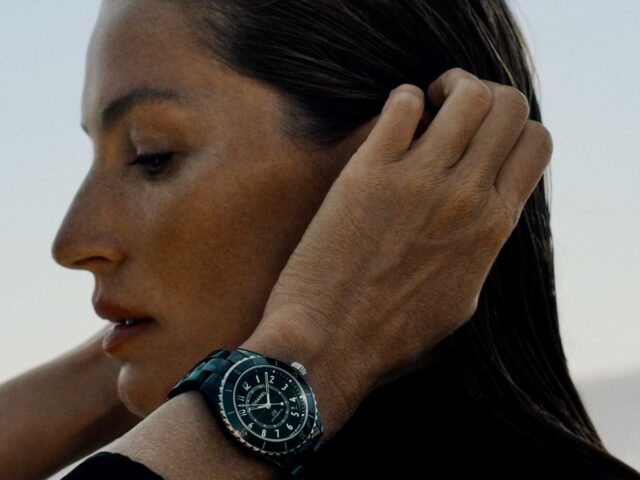
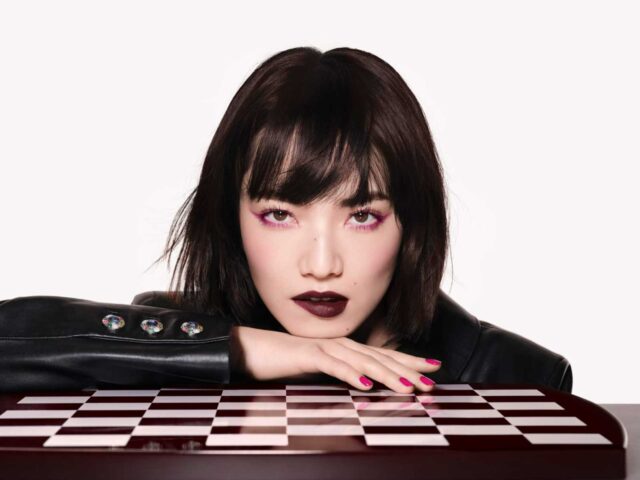
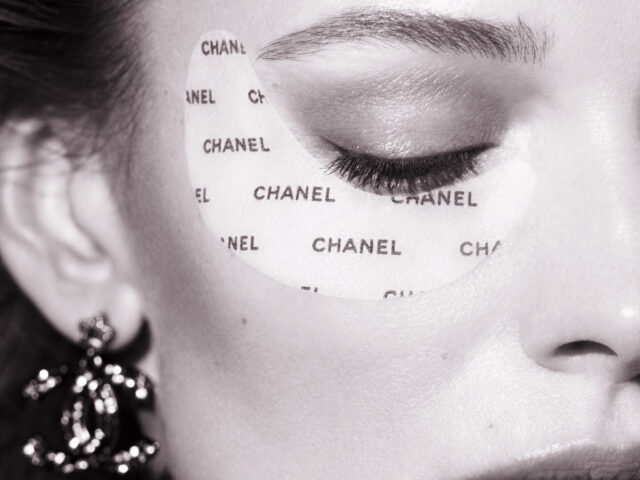
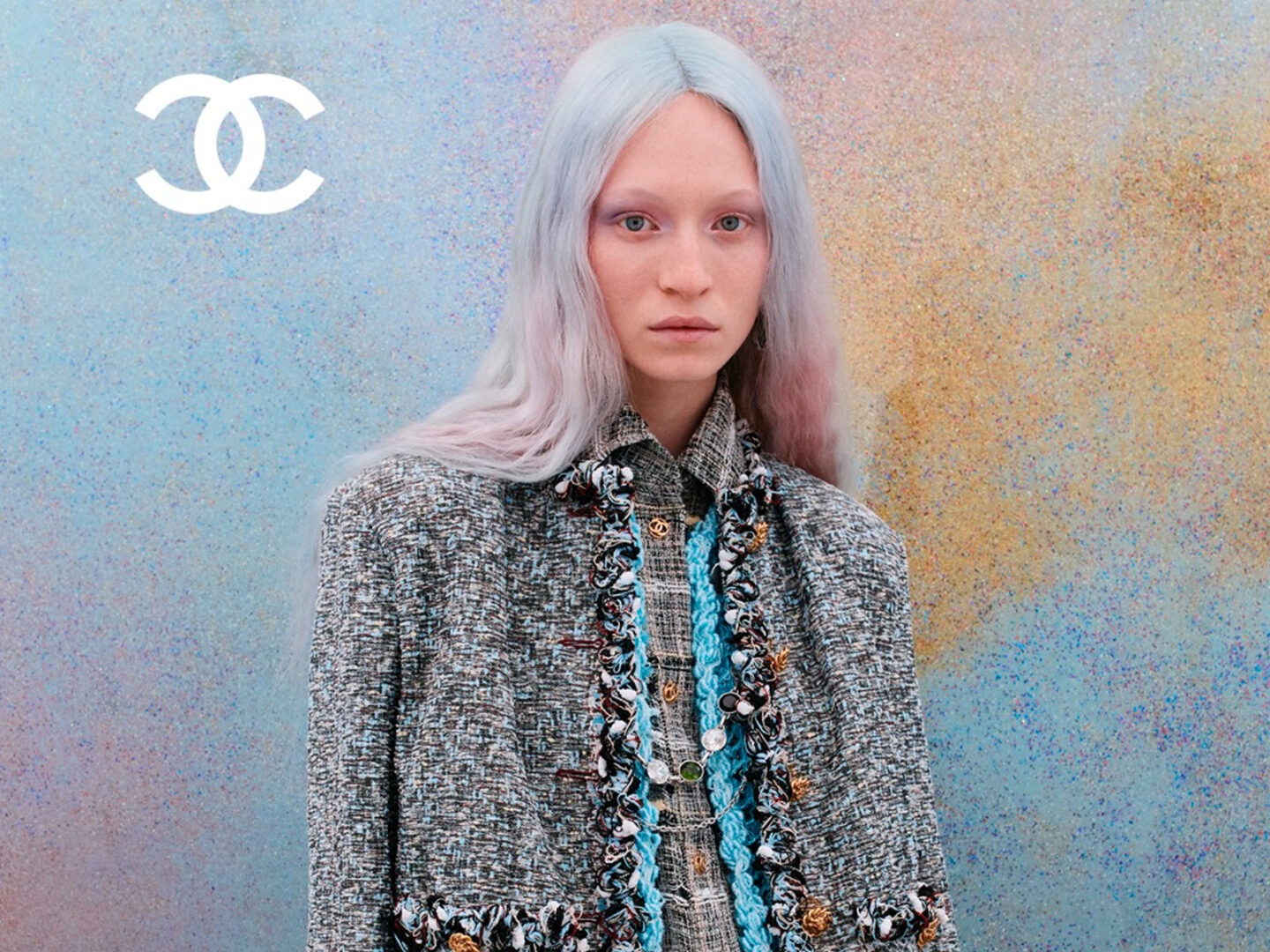
Then there’s Chanel. Chanel isn’t doing seapunk exactly. There are no dolphins, no digital irony, no explicit references. But there’s something more significant: a series of aesthetic choices that engage directly with that imagery. Iridescent fabrics. Surfaces that look liquid. Tones that evoke a digital world—or at least a fantastical one—more than the natural world.
I’m not sure if we could call it a comeback of the aesthetic in the strictest sense. It’s a cultural reinterpretation of something that never had time to take root back then. Seapunk never really caught on. It was too fast-paced, too niche, too strange. But that’s exactly why it works now: because it hasn’t been tainted by mainstream nostalgia.
Today, its comeback isn’t about repeating images, but about reclaiming an attitude that, to be honest, was pretty fun. But now without the cartoons, of course.
Sigue toda la información de HIGHXTAR desde Facebook, Twitter o Instagram
You may also like...