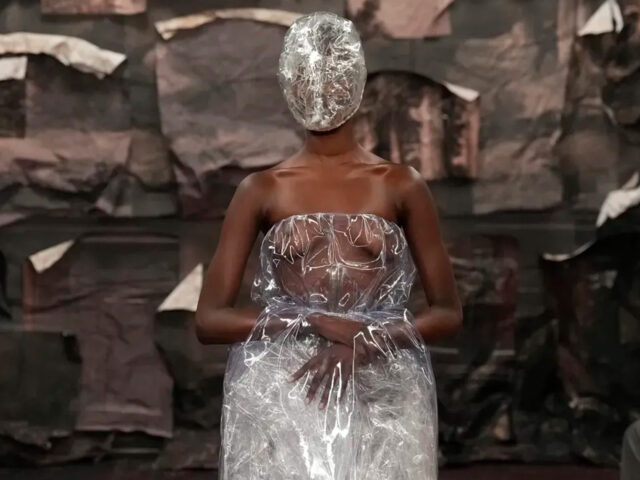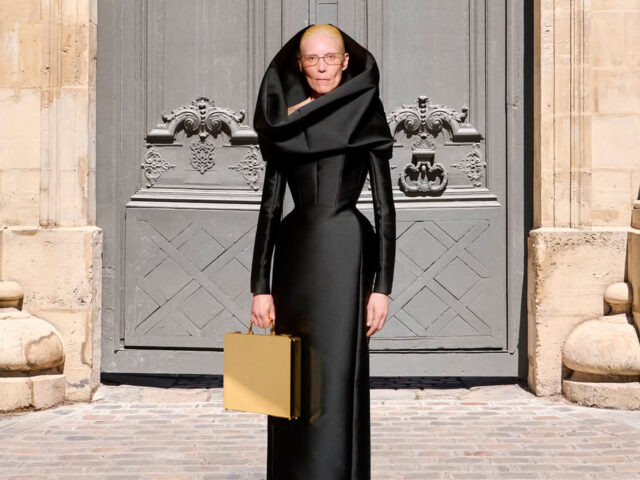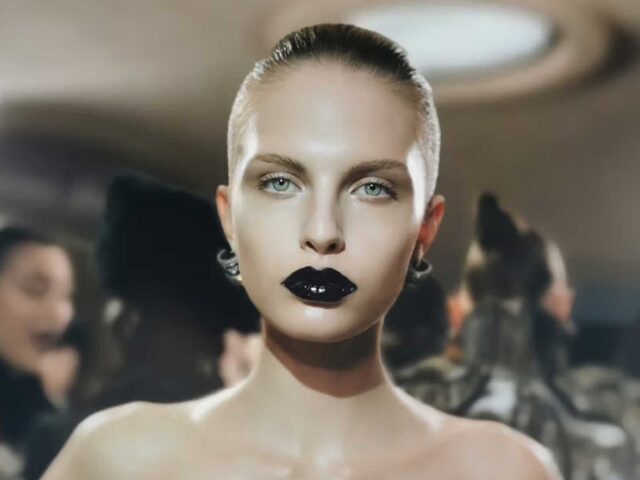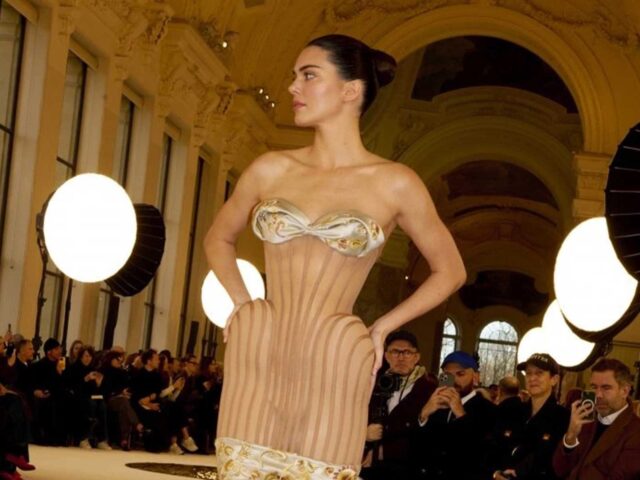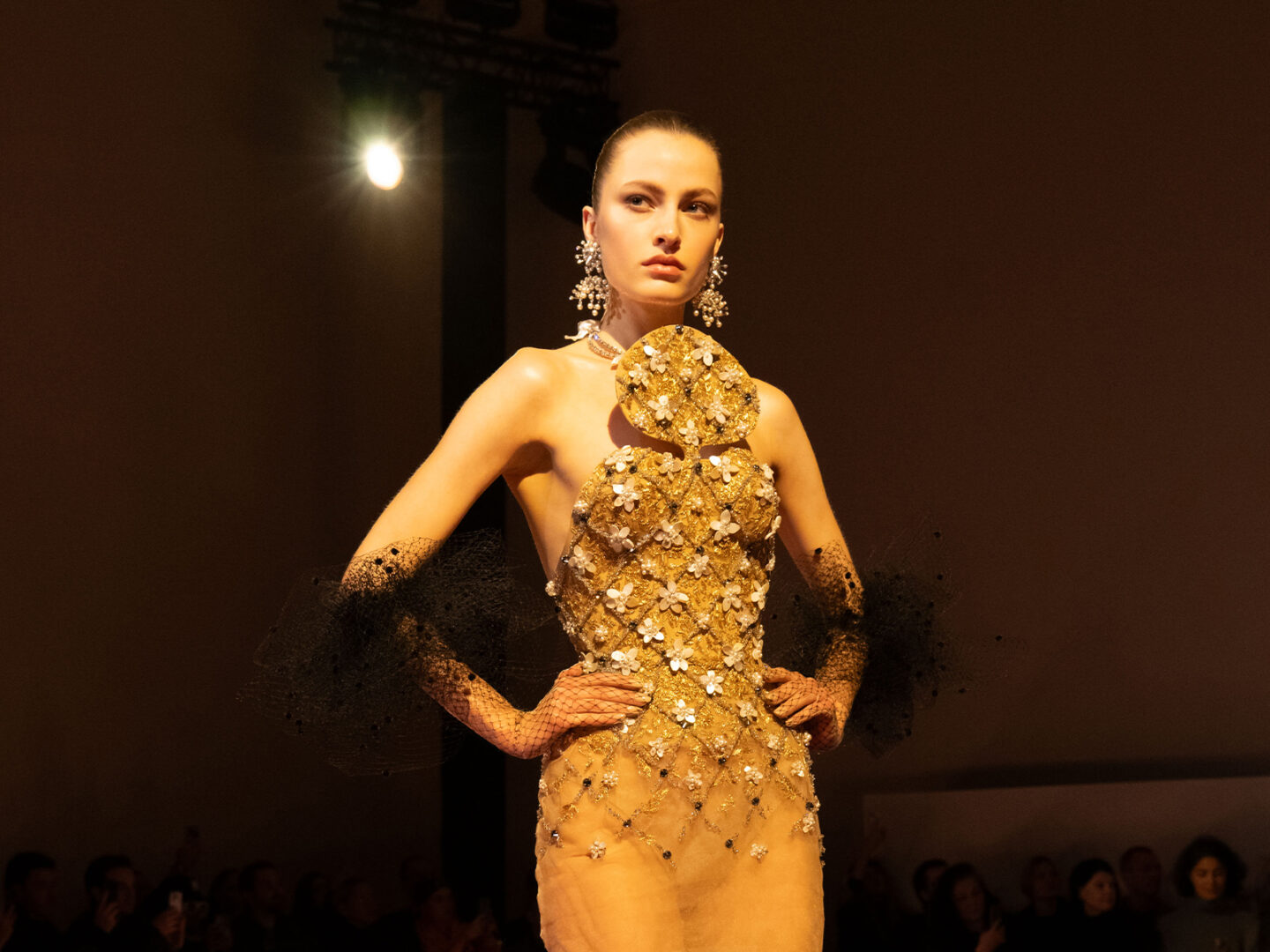
As happens every haute couture season, social media is once again filled with spectacular images: impossible dresses, exaggerated volumes, and pieces designed more to make headlines than to be understood outside the catwalk.
For decades, haute couture was the driving force behind the fashion system. It set the trends in silhouettes, techniques, and creative hierarchies that were then passed down to ready-to-wear fashion. Today, that model has disappeared. Fashion is no longer organized from the top down, and the economic weight of the sector is concentrated in accessories, fragrances, and industrial lines. However, haute couture has not disappeared, but why? What is its real purpose today? Why are only a few houses able to produce it? And to what extent is extravagance an essential condition for its existence?
1. Symbol of cultural power and legitimacy
Participating in haute couture fashion shows places a brand in a very specific hierarchy within the luxury sector. It is not just a question of aesthetics, but also of structure. The term “Haute Couture” is regulated and protected: it implies workshops in Paris, teams of specialized artisans, bespoke collections presented twice a year, and a direct relationship with actual clients. It is not a label that can be freely adopted.
That is why haute couture today functions as a badge of cultural authority. In a market saturated with products, collaborations, and visual noise, couture introduces something increasingly scarce: time, manual labor, and an exclusivity that is not only narrative but also material.
This legitimacy does not translate directly into sales, but it does translate into perceived value. Haute couture justifies prices, consolidates the myth of the maison, and feeds an image of extreme luxury that is projected onto the rest of the business.
2. Symbolic investment
Today, haute couture does not exist as a commercial driver. The number of clients is small, extremely private, and, in business terms, marginal compared to the rest of the luxury ecosystem. Its true value lies elsewhere: couture functions as a symbolic investment.
It is the space where a fashion house can work without the immediate pressure of the market, experimenting with extreme techniques, impossible materials, or conceptual narratives that would have no place in a collection designed for mass production. What happens in couture is rarely replicated as is, but it filters ideas, codes, and attitudes that are then translated—in a more digestible form—to the rest of the lines, although this does not always work that way.
More than a collection, haute couture is a creative laboratory and, above all, a positioning tool.
3. Generator of visual icons and stock images
In today’s world, haute couture is consumed as much—if not more—off the runway as on it. It lives in editorials, on red carpets, in museums, and on social media. Its function is to generate visual icons, pieces that don’t need to be purchased to be influential.
This brings us to one of the big questions of today: does haute couture have to be extravagant? The answer is no, but spectacularity has become a common strategy because it functions as an immediate language in a context dominated by image. It is not a creative obligation, but a communicative decision.
Extravagance does not define haute couture; what defines it is the level of execution, the craftsmanship, and the ability to condense a creative discourse without commercial compromises.
4. Why don’t all fashion houses show in haute couture?
Because not all of them need it, nor can—or want to—sustain it. Haute couture requires a costly infrastructure and historical consistency that not all brands possess. Entering that calendar without the DNA to back it up can be perceived as an empty gesture.
Furthermore, today there are other ways to build relevance and notoriety. Some houses generate desire through their concept, cultural strategy, digital community, or high-end industrial product. Their luxury does not necessarily come from extreme craftsmanship, but rather from the idea, the image, or the ability to read the present.
Haute couture is just one of the possible ways to achieve authority, not the only one.
5. The pinnacle of the story
In the contemporary system, haute couture no longer occupies center stage, but it remains at the top. It does not set consumer trends or define the pace of the market, but it does establish symbolic hierarchies. It is the place where fashion stops competing to sell and starts competing to mean something.
Understanding haute couture today does not mean asking who can afford to buy it, but rather who needs—and who does not need—to uphold that narrative. Because, more than a product category, haute couture is a statement of power within contemporary luxury.
Sigue toda la información de HIGHXTAR desde Facebook, Twitter o Instagram
You may also like...