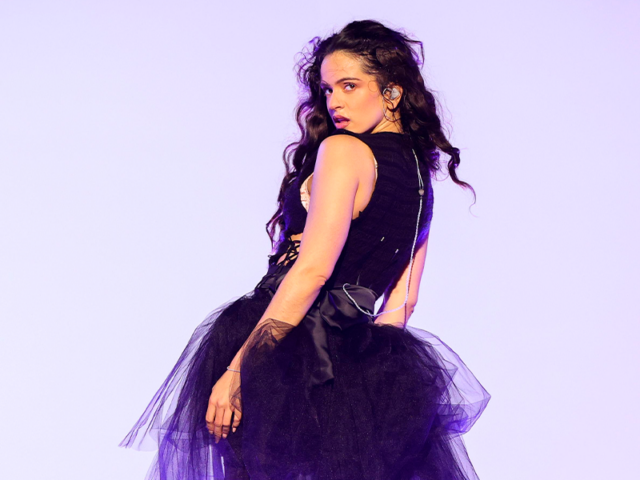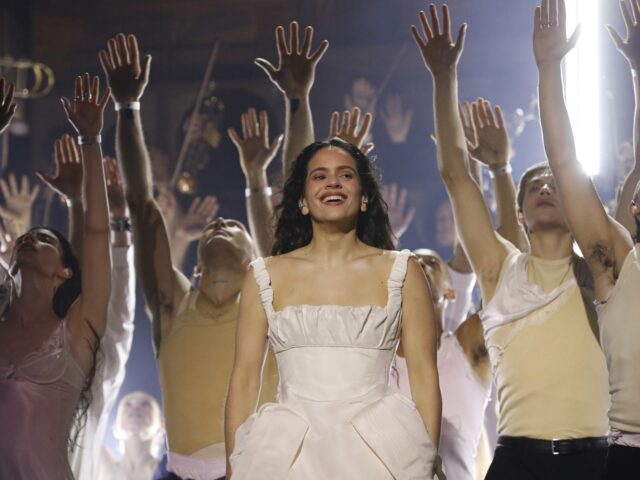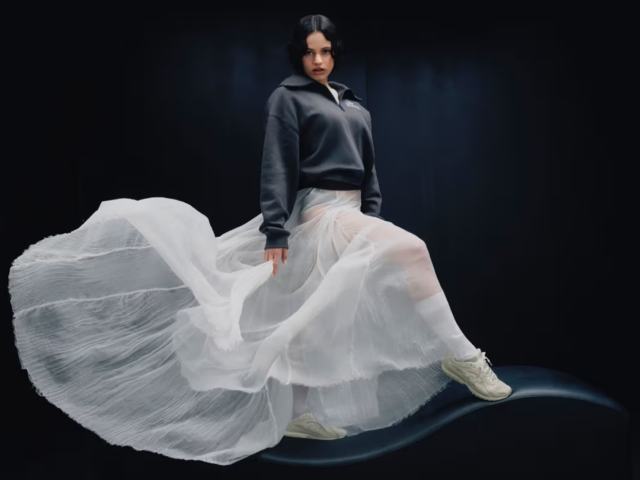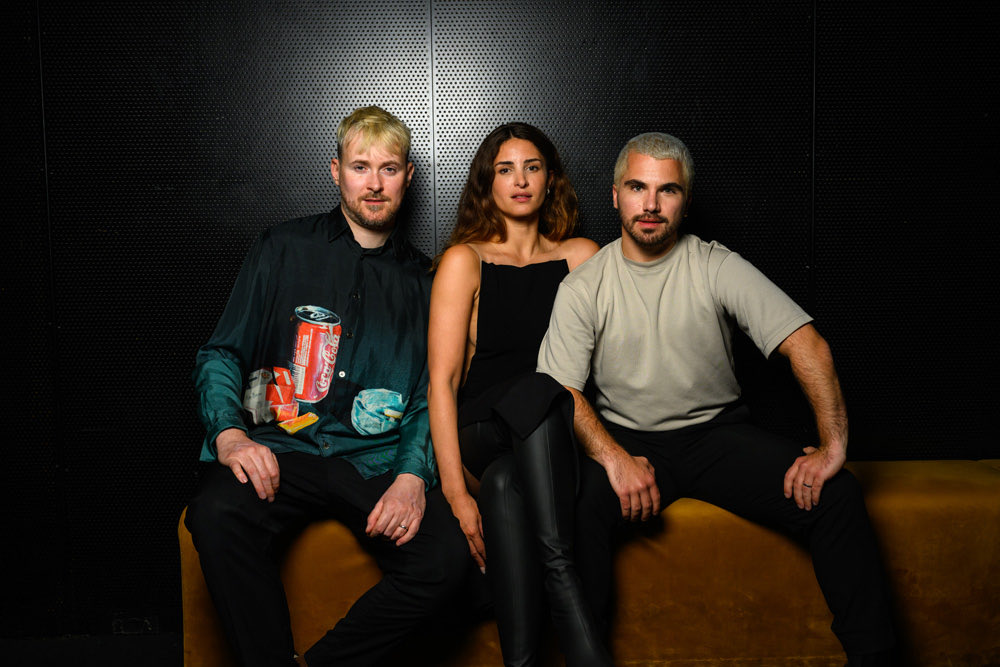
With Rosalía’s LUX TOUR just around the corner, anticipation continues to build. What will it sound like? What will the live show be like? What kind of visual universe will surround it? Among all these questions, one is becoming increasingly prominent: how will it all translate on stage? Because the tour’s main choreography hasn’t appeared out of thin air, nor has it been put together in a last-minute rehearsal. It is in the hands of (LA)HORDE, the French collective formed by Marine Brutti, Jonathan Debrouwer and Arthur Harel, who have also been directing the Ballet National de Marseille since 2019.
Put simply, the people shaping the movement of the Catalan singer’s tour are also responsible for one of the most important contemporary dance institutions in Europe.
Where does this name come from (and why you should remember it)
(LA)HORDE emerged in 2013 as a contemporary dance collective with a very clear — and very current — focus: understanding how the body moves today. Behind it are Marine Brutti, Jonathan Debrouwer and Arthur Harel, three creators who began working together by shifting their attention away from classical canons and towards movement practices born on the internet, on social media and within digital communities. Their work has circulated through theatres, museums and festivals, not as a one-off curiosity, but as a sustained line of research over time.
That trajectory took a significant step forward in 2019, when the trio were appointed directors of the Ballet National de Marseille, a public institution dedicated to the creation, production and dissemination of contemporary dance. Their appointment marked a generational shift within the ballet.
From there, the collective combines the creation of their own works with the artistic direction and programming of the institution, pushing ballet towards new languages and new audiences. The result is a highly unusual hybrid profile: choreographers who not only create pieces, but also decide how, where and for whom contemporary dance is presented today.
What this means within the LUX TOUR
That the artistic trio is responsible for the main choreography of the LUX TOUR means that movement does not function as mere visual accompaniment. Here, dance forms part of the show’s design from the outset, conceived with the same weight as sound or staging. The tour therefore draws on a collective accustomed to working within contemporary dance institutions and translates that approach to a large-scale live format.
All of this arrives at a moment of peak anticipation surrounding Rosalía’s return to the stage. With tour dates drawing ever closer and tickets sold out in Spain, interest in what the live show will look like continues to grow. In that context, the presence of (LA)HORDE helps to underline one thing: the LUX TOUR is not built on music alone — the body also plays a key role in shaping the spectacle.
Sigue toda la información de HIGHXTAR desde Facebook, Twitter o Instagram
You may also like...