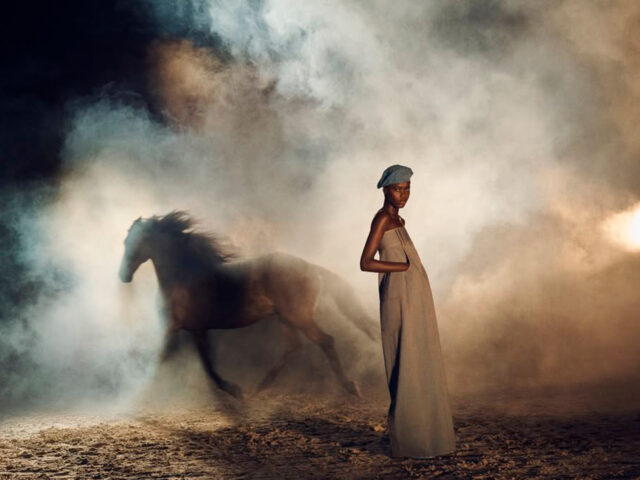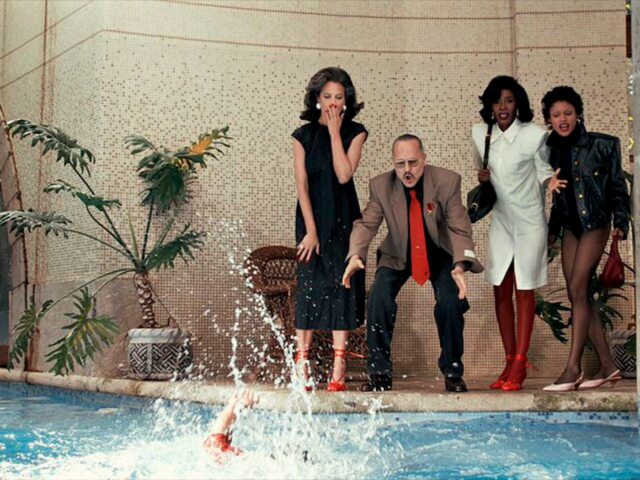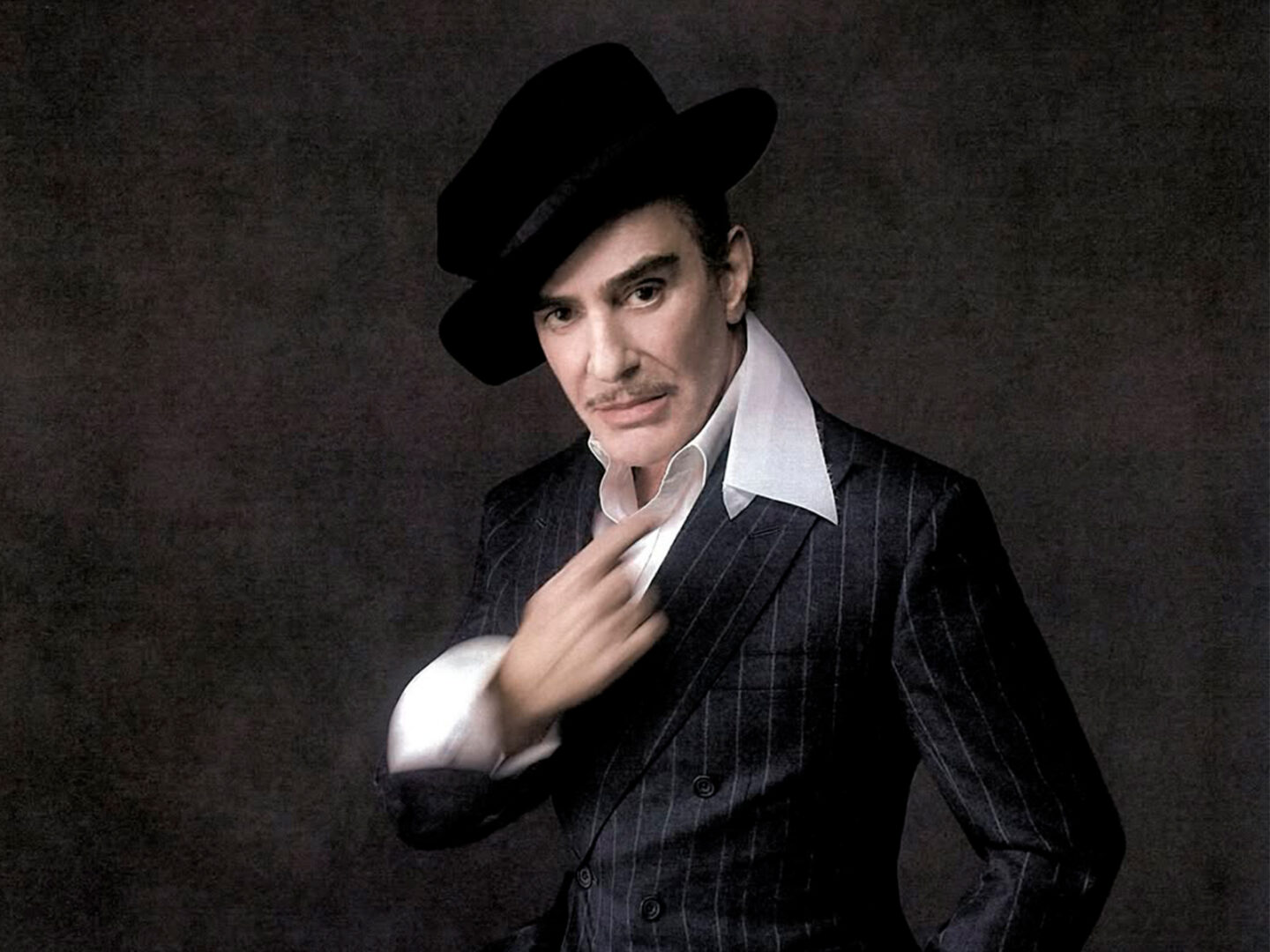
John Galliano has just signed a two-year contract with Zara to redesign the multinational’s archives. The move, more marketing-driven than business-led, reads less like a collaboration and more like a diffusion line built on reputation.
For years, Galliano has built his value around authorship, narrative, and craftsmanship — particularly during his time at Maison Margiela. Not to mention his era at Dior, cut short by xenophobic remarks, which marked a before and after in fashion history. The Gibraltar-born designer is considered one of the greatest of our time. The real question here isn’t what Zara gains — that’s quite clear — but what Galliano gains by designing for a mass retail brand. What leads a legendary designer to accept a contract with a company built on large-scale production?
Zara doesn’t need design — it needs cultural authorship. It needs a voice within the mass conversation about what fashion is and isn’t. Zara dominates speed, distribution, and global presence. What it lacks is legitimacy within the most demanding cultural discourse. That’s where Galliano comes in. Not to make clothes, but to provide language. Because this isn’t about product — it’s about translating authorship into a system of mass consumption.
The brand is attempting to appropriate codes that have traditionally been outside its reach — customization, uniqueness, author-driven narrative — within a system built on repetition. Bad Bunny’s Super Bowl look is proof of this. A paradox in itself. Why would an established designer like Galliano want to be part of it?
A designer whose legacy is rooted in craftsmanship entering a system defined by mass production inevitably reads as a contradiction — if not a betrayal.
Zara knows how to speak the language of luxury, just as Gucci can reference subcultures far removed from its own reality. But ultimately, structure is what matters. And Zara’s structure is mass production. No matter how refined the narrative becomes, no matter how strong the author behind it is — scale doesn’t disappear. You can dress it up, but it doesn’t transform what it fundamentally is.
If Zara manages to introduce codes of authorship — archive, process, reconstruction — even at a higher price point, its perception shifts. It elevates. But then the question is no longer about Zara, but about the system itself. What happens when the language of luxury is no longer tied to scarcity? What happens when authorship is distributed at a large scale? What we get is not luxury, but an accessible, reproducible, amplified version of it.
I wonder if John Galliano has asked himself some of the questions that came to my mind when I first read the news:
If everything starts to look like luxury — without actually being it — then what truly holds value? Is perception enough for today’s consumer? Or are we entering a space where illusion matters more than reality? Because if what’s being offered is not exclusivity, but the feeling of it, then the question becomes: is this a form of deception, or are we all willingly participating in it?
Sigue toda la información de HIGHXTAR desde Facebook, Twitter o Instagram
You may also like...