Nearly 20 years on, the sequel to The Devil Wears Prada arrives surrounded by huge expectations, with the original still fresh in memory and a very real risk of becoming little more than a nostalgia exercise. Yet its early box office figures — over $233 million worldwide — suggest there’s more here than just hype. Between the numbers and the media pressure, the question is inevitable… are we looking at a sequel that’s genuinely worth it, or simply another well-dressed phenomenon?
A sequel that knows what it’s doing?
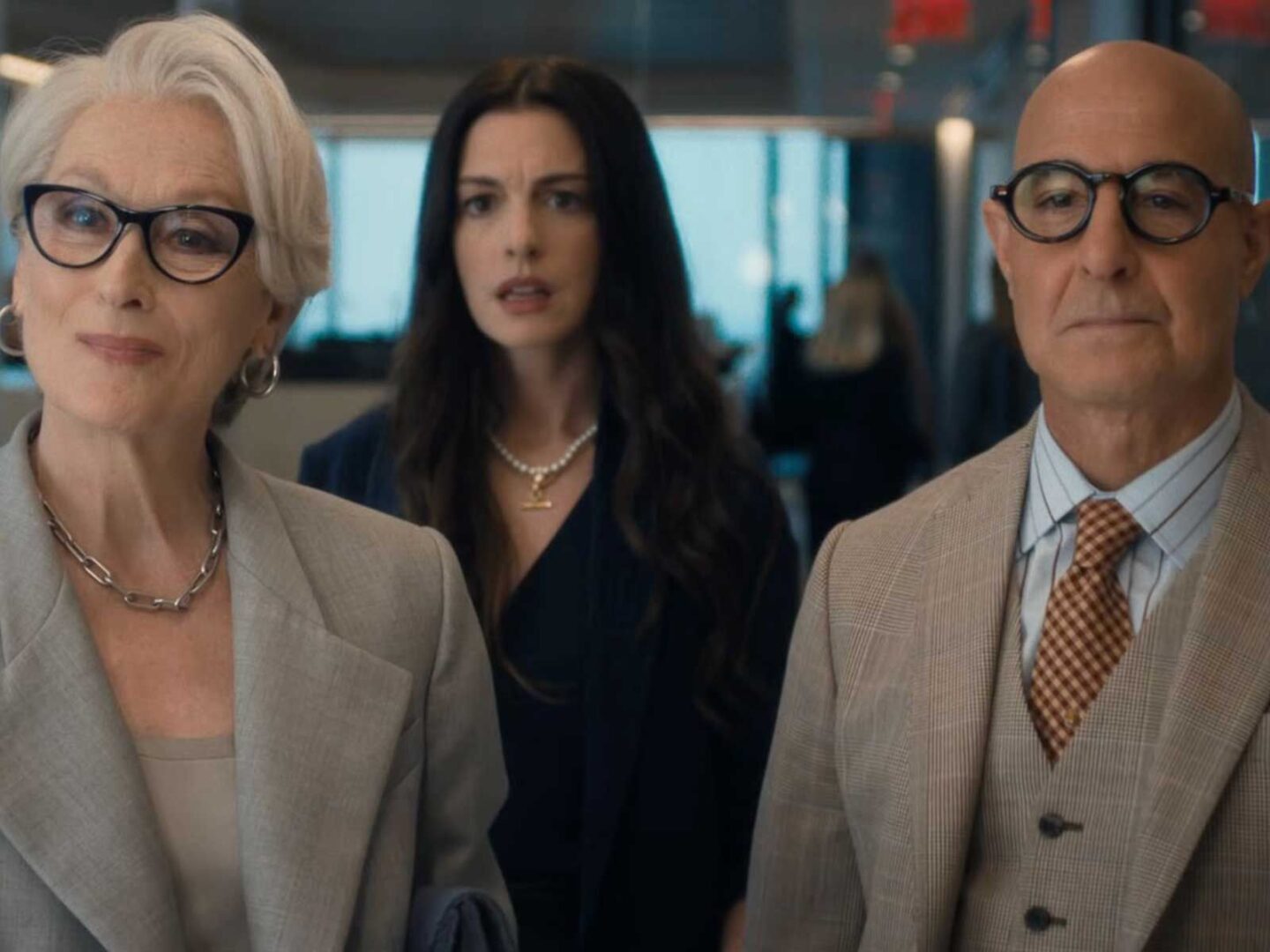
The magnetism of Meryl Streep and Anne Hathaway once again drives the film, slipping back into their roles with almost unsettling ease, as if time hadn’t passed… or rather, as if Miranda Priestly simply wouldn’t allow it to. Their chemistry sustains that delicate balance between elegant comedy and sharp critique that defined the original — and still lands here. They’re not alone, though. Emily Blunt steals scenes once again with an even sharper Emily, proving that a character who already stood out the first time around is now playing in an entirely different league. Meanwhile, Stanley Tucci’s Nigel remains the stylish, knowing counterpoint, bringing warmth and irony in equal measure.
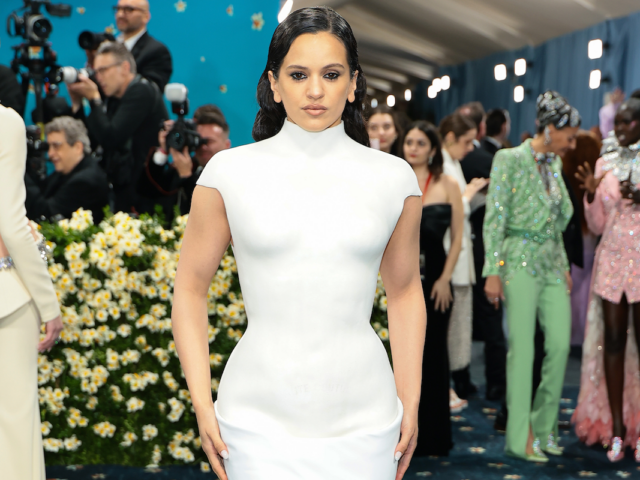
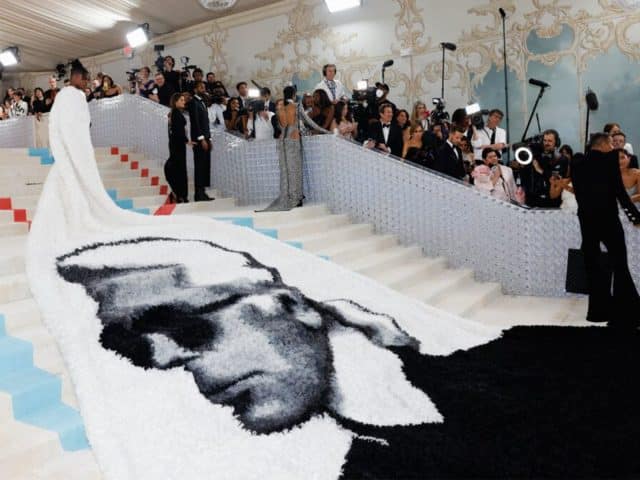
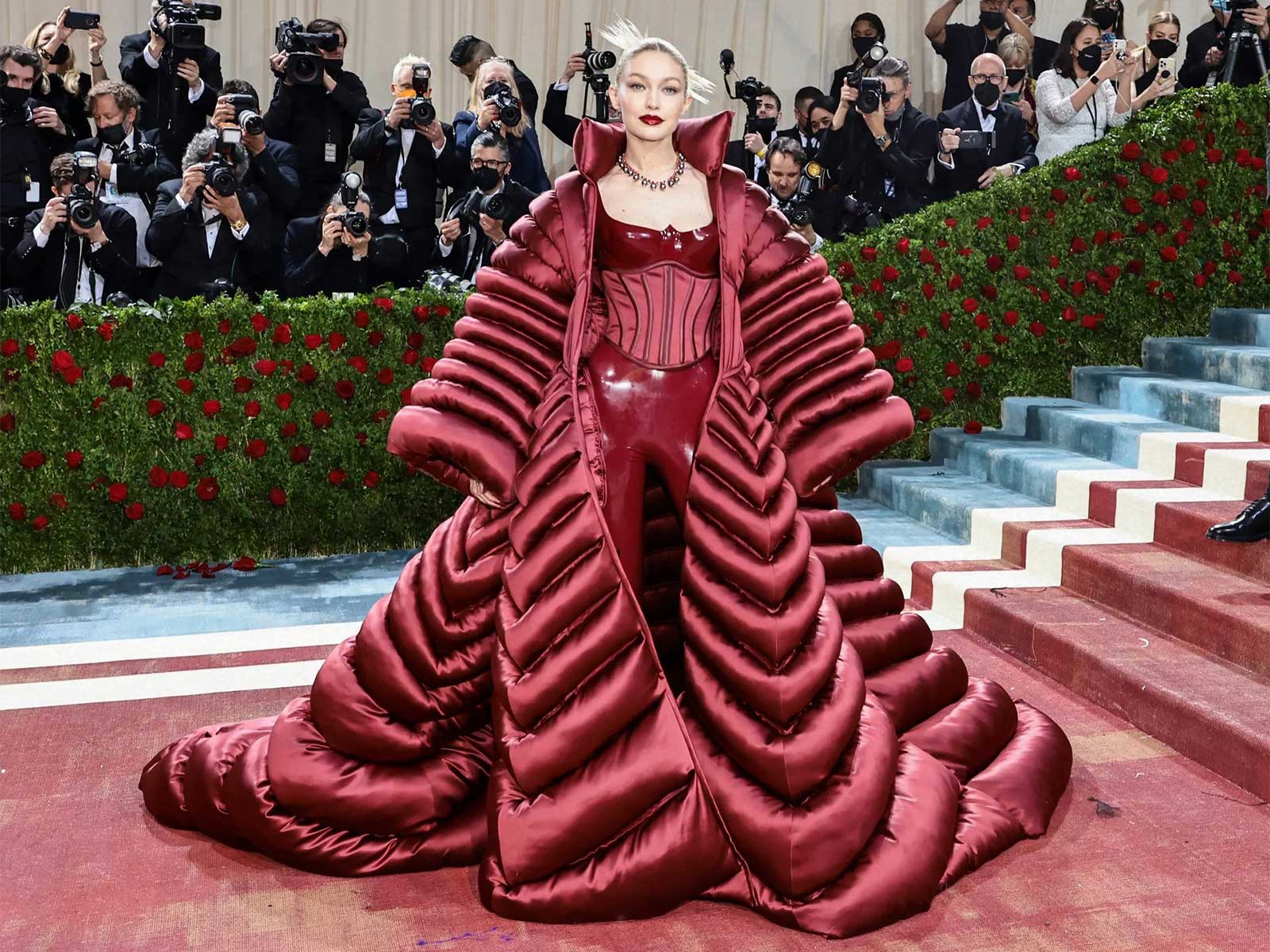
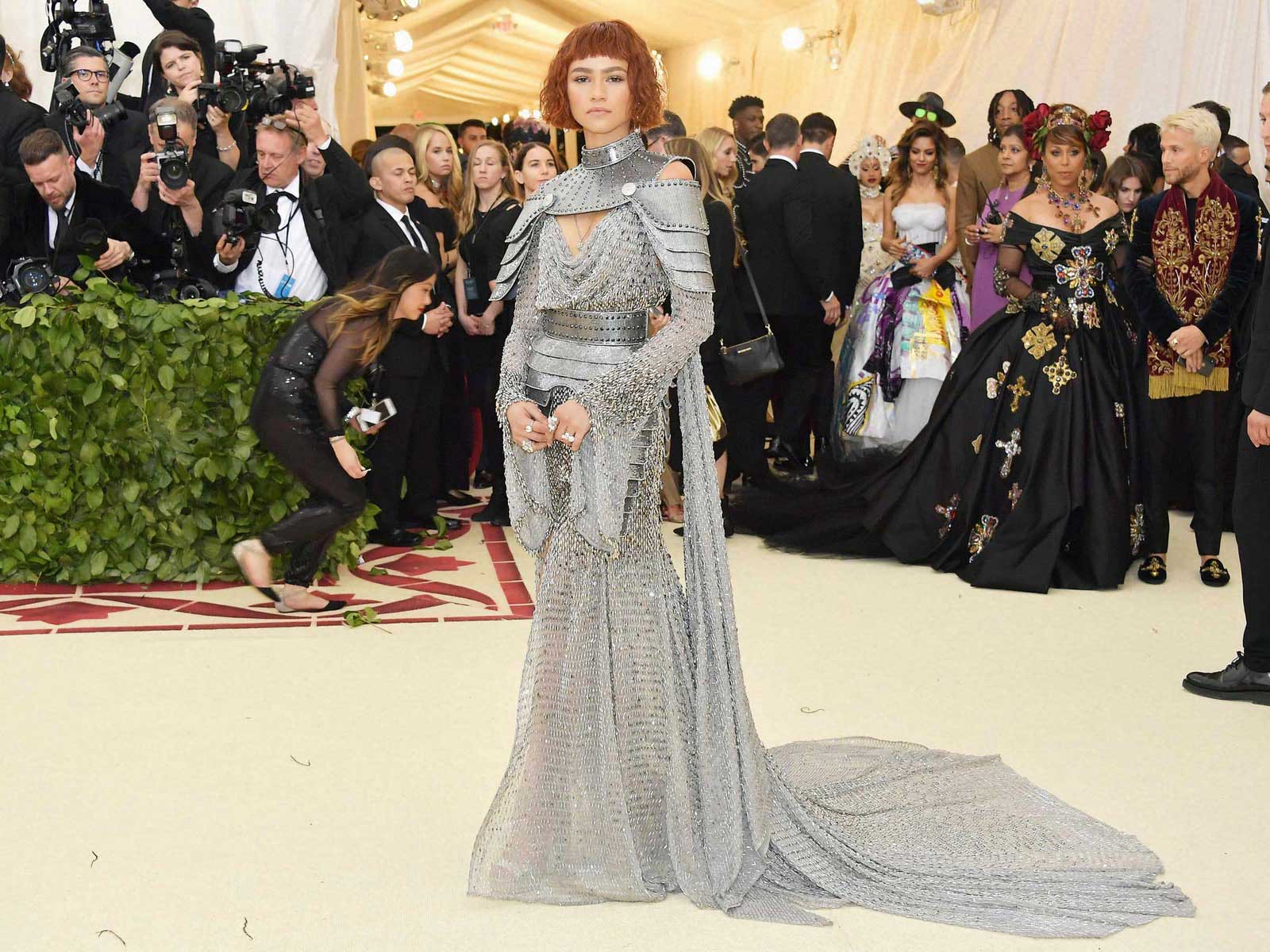
Behind the camera, the return of David Frankel and Aline Brosh McKenna isn’t just about nostalgia, but a deliberate effort to preserve what worked without simply repeating it. You feel it in the tone, the pacing, and a structure that avoids going bigger or louder, choosing instead to be sharper. Rather than inflating the sequel, they revisit what made the original tick and bring it into the present with small nods — occasionally one too many — while also tapping into those dynamics of power and near “rich wives” energy, channelled through Blunt’s character, that now echo the buzz and tensions surrounding this year’s Met Gala.
The real theme: the editorial crisis
Where the film truly finds its own voice is in its take on the publishing world, moving beyond fashion into something more uneasy and timely. The crisis facing magazines and newspapers, the fragility of cultural labour and the shift to digital aren’t just background elements — they drive the narrative forward. Still, true to form, it never lets go of its gloss. Here, decline “wears Prada”, dressed up in impeccable looks and dreamlike offices, as if even sinking needs a perfect cover.
That’s also where its most interesting contradiction lies. It points to real issues, but never fully immerses itself in them; precarity is mentioned more than it’s felt, and the stakes rarely tighten completely. It’s less a flaw than a conscious choice — staying in that middle ground between entertainment and social commentary. In the end, the idea remains clear: the system doesn’t disappear, it simply evolves, and the real question is whether you want to play along… or watch from the sidelines.
The cerulean legacy
What ties both films together is the now-iconic idea that nothing is truly superficial. Like the famous cerulean monologue, everything is shaped by structures of power, market forces and influence. It’s no coincidence the original became a defining 2000s chick flick — a genre rooted in female-led stories that may seem light on the surface but often carry deeper social commentary — and that this sequel expands that perspective. Here, the focus moves beyond fashion to include culture, information and money, sharpening the question… who decides what matters, and how it reaches us?
From that angle, the approach of The Devil Wears Prada 2 makes more sense. It doesn’t try to outdo its predecessor, but leans on it — sometimes a little too self-referentially. Still, it works. It becomes a chance to reunite with Miranda Priestly, Andy Sachs and the rest, in a way that feels like catching up with an old friend. The film uses its source material to speak to a more complex present, maintaining that balance between lightness and commentary. It may not explore everything it raises, but it leaves enough behind to linger. And above all, it reminds us that even when the system wobbles, the show goes on… because somewhere, someone is still deciding what’s in — and who gets to afford it.
The Devil Wears Prada 2 is now in cinemas.
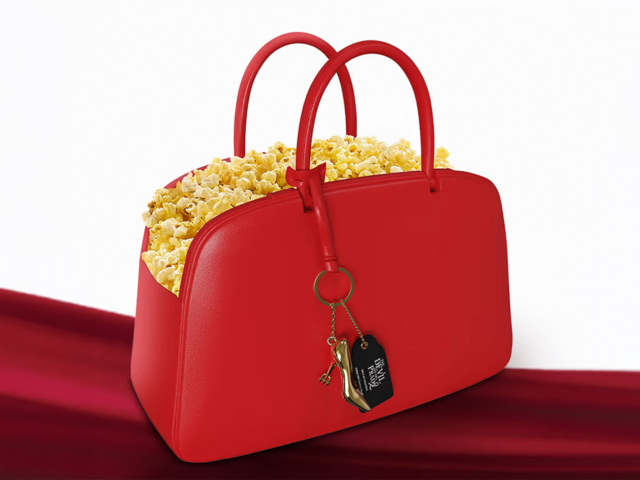
The Devil Wears Prada 2 turns the popcorn bucket into an accessory.
Sigue toda la información de HIGHXTAR desde Facebook, Twitter o Instagram
You may also like...