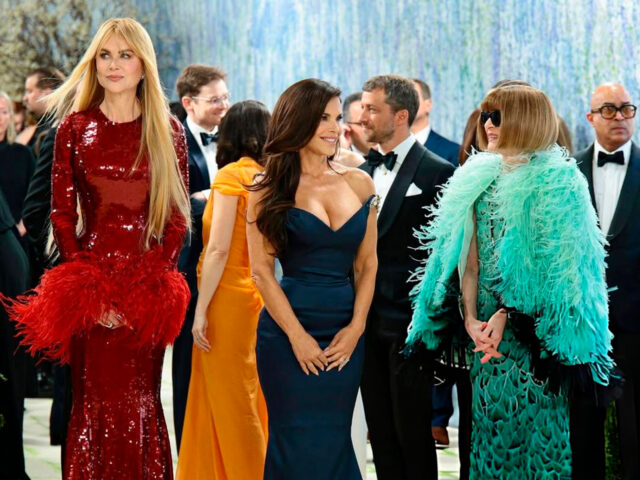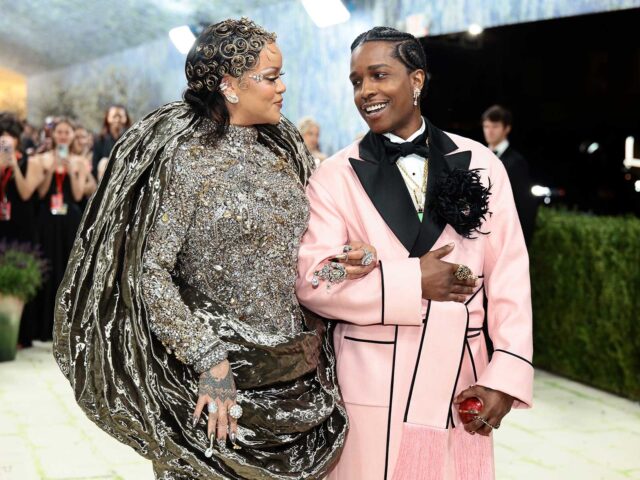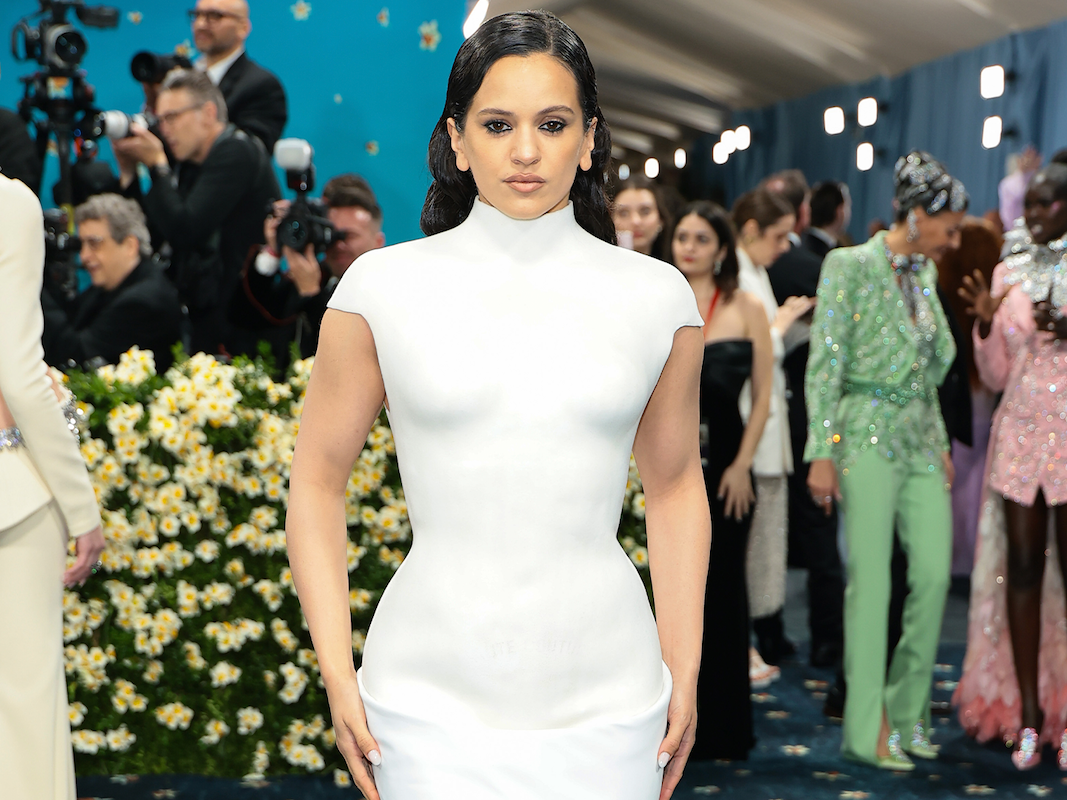
The Met Gala returns on Monday, 4 May 2026, staying true to its first-Monday-in-May tradition, taking over the steps of the Metropolitan Museum of Art—and, inevitably, the internet. Organised by Anna Wintour, the event remains the flagship fundraiser for the Costume Institute, though this year it arrives with more social debate swirling around it than ever. The exhibition theme, ‘Costume Art’, comes with a ‘Fashion Is Art’ dress code, inviting guests to turn fashion into something almost museum-like, hovering between the pictorial and the sculptural. As for the guest list, it blends icons and influence, with Beyoncé serving as co-chair alongside Nicole Kidman and Venus Williams, while figures like Rihanna and Zendaya are set to steal the spotlight once again. All of this unfolds with Jeff Bezos and Lauren Sánchez as honorary hosts, reinforcing the increasingly visible overlap between fashion and economic power.
The refusal of Zohran Mamdani—Mayor of New York—to attend the 2026 Met Gala is not just an institutional anecdote; it is a political gesture that has reshaped the narrative of fashion’s biggest night. For the first time in decades, a mayor breaks with tradition, pointing to the contradiction between the event’s extreme luxury and the city’s growing inequality. And this is no isolated move. In a year defined by the prominence of Bezos and Sánchez, Mamdani—a young progressive politician with little interest in performative appearances—doubles down on his critique of wealth concentration in a city where housing access and the cost of living remain critical issues. His absence is no accident; it aligns with a form of politics that is not only communicated, but performed—even if that means staying off the most coveted red carpet in the world.
FROM ICONIC EVENT TO SYMBOLIC BATTLEGROUND
Since its creation in 1948, the Met Gala has functioned as a hybrid of fashion, spectacle and philanthropy, raising funds for the Costume Institute at the Metropolitan Museum of Art. However, what was once perceived as a celebration of art and creativity is increasingly shaped by social tensions.
Protests across the city—with posters calling for a boycott—reflect a shift in perception. Criticism is not only aimed at Bezos, but also at the role of major corporations in culture and their links to institutions such as ICE in the United States. In this context, the gala is no longer a neutral space, but a symbol of the inequalities it appears to overlook.
ANNA WINTOUR AT THE CENTRE OF THE STORM
Saying “no” to Anna Wintour is no small matter. The figure behind the Met Gala has spent years building a network of power linking fashion, politics and celebrity. Yet her closeness to the Bezoses—visible in recent appearances and editorial decisions—has sparked friction even within progressive circles that once supported her.
The selection of Lauren Sánchez—journalist, helicopter pilot and media personality, also known for her relationship with Jeff Bezos—as a prominent figure within the Vogue ecosystem and her central role in the gala has been read by some as a strategic pivot towards economic power over cultural capital. And in an industry obsessed with image, that comes with consequences.
REAL CRISIS OR MEDIA NOISE?
The key question is whether this signals the beginning of the Met Gala’s decline or simply another phase of controversy—something that has, paradoxically, always fuelled its relevance. Because if anything has defined the gala, it is not just fashion, but its ability to absorb criticism, turn it into conversation, and continue setting the agenda.
Despite everything, the event remains a global magnet, with tickets reaching up to $75,000, appearances from figures like Beyoncé and Zendaya, and an undiminished capacity to dominate social media and headlines. The gala is not dying; it is evolving—perhaps into something less naïve and more aware of its role as a showcase of power, where the outfit matters, but the context matters even more.
FASHION CAN NO LONGER BE APOLITICAL
What seems clear is that Mamdani’s gesture opens an interesting crack, forcing a rethink of the role of public institutions in relation to private events with high symbolic impact. Should political representatives endorse spaces associated with economic elites, or distance themselves as a matter of ideological coherence?
The Met Gala 2026 thus arrives with an unexpected narrative, less about dresses and more about power. And in that shift of focus may lie its renewed relevance. As ever, when the event takes place on 4 May 2026, attention will not only be on who climbs the museum steps, but also on who chooses not to—and why.
Sigue toda la información de HIGHXTAR desde Facebook, Twitter o Instagram
You may also like...