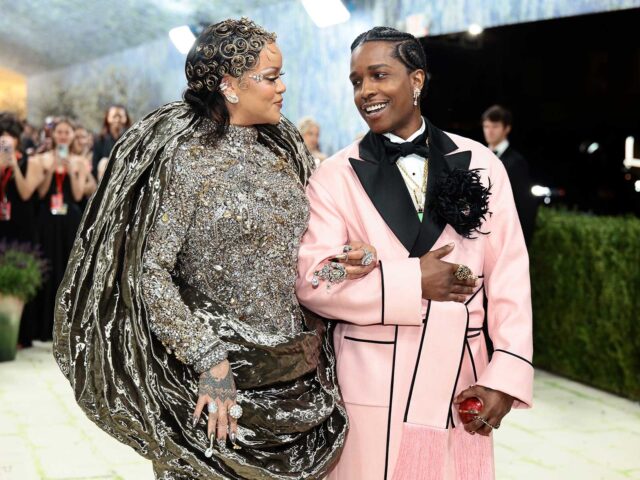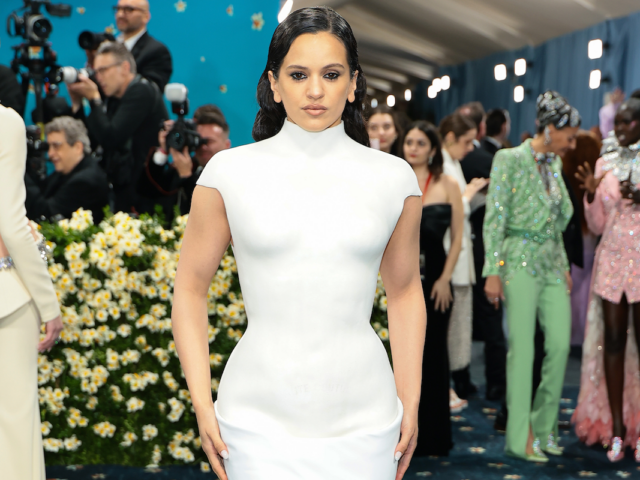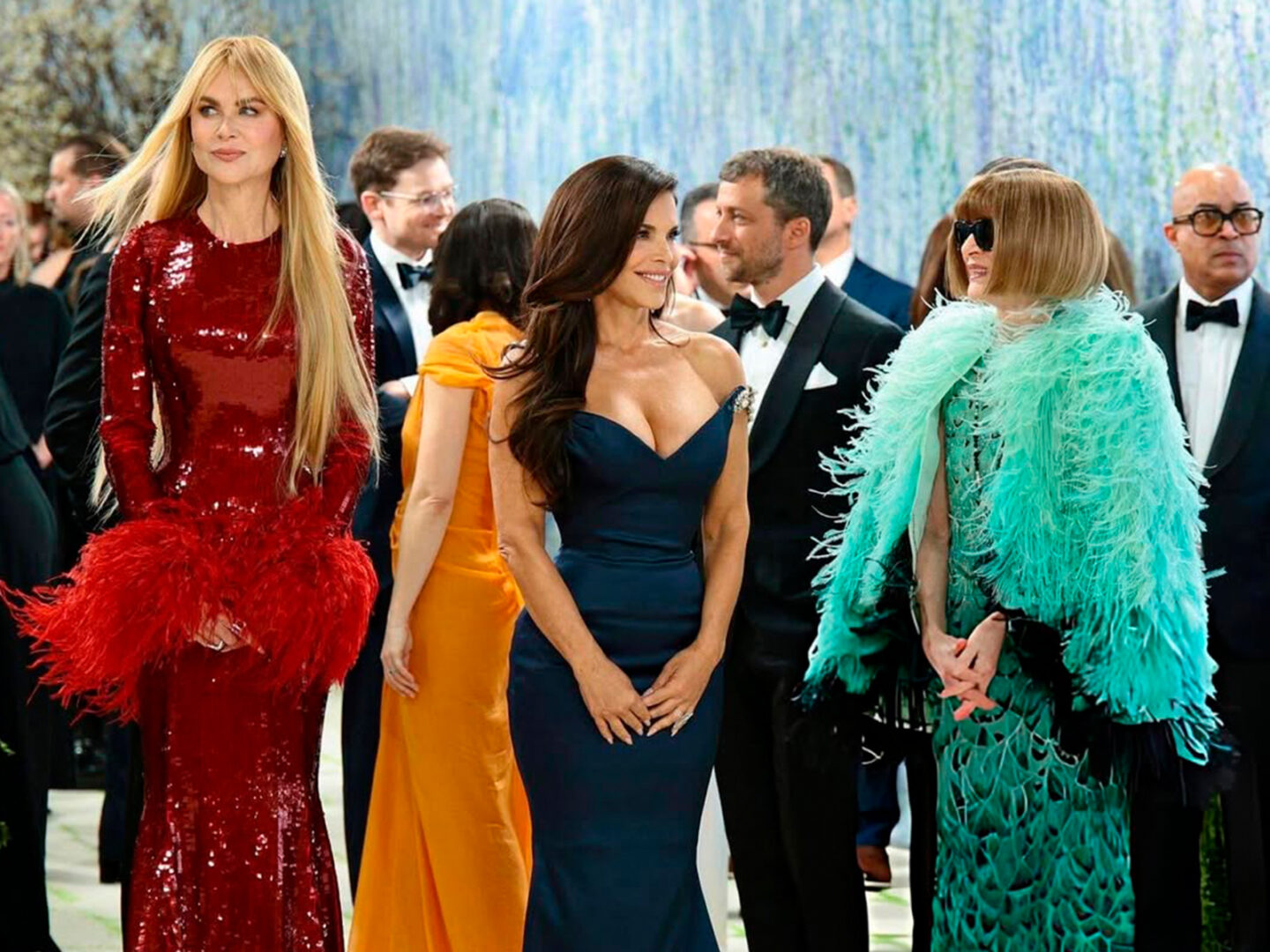
The Met Gala has always been a carefully crafted fantasy. A space where fashion transcends reality, shielded by spectacle. In 2026, even though the theme was “Fashion Is Art,” the fantasy seems to be falling apart—or at least, reality can no longer be concealed beneath it.
Because this is no longer about infiltrating the elite; it’s about cultural dominance. What has happened this year is no mere coincidence: Zara dresses Bad Bunny and Stevie Nicks—in this case, in a John Galliano design—while Gap turns a T-shirt into haute couture on Kendall Jenner, and Marta Ortega makes her first appearance at the gala. It’s not fast fashion trying to look like luxury: it’s fast fashion operating as the dominant language—which it is.
Luxury is no longer defined by what it is, but by where it is placed. For decades, its value lay in scarcity, craftsmanship, and inaccessibility. Today, Kendall Jenner’s dress matters less for its craftsmanship than for its concept—a T-shirt elevated to an art object—and Bad Bunny’s look functions more as a statement than as a garment. The object loses weight in the face of context, and that’s where mass-market brands have the upper hand: they control the collective imagination in plain sight.
Meanwhile, the true power behind it all—Amazon, with Jeff Bezos and his wife serving as honorary co-chairs—does not represent fashion, but rather an infrastructure—logistics, data, distribution—that sustains it. Its presence at the Met Gala is not an artistic concept; it is a reflection of a system. In the weeks leading up to the event, New York was flooded with boycott messages pointing out the obvious: the gala is no longer just a cultural celebration, but a display of economic power against a backdrop of growing inequality.
When the red carpet generates its own counter-narrative, the system begins to fray. The Ball Without Billionaires, organized by groups like the Amazon Labor Union and the Service Employees International Union, responds with a slogan as simple as it is uncomfortable: “Labor is Art.” Workers from Amazon, Starbucks, and Uber march to claim their place in the value chain, reminding us that without them there is no industry, and without industry there is no spectacle.
The institutional defense sounds increasingly fragile. Anna Wintour insists on the charitable nature of the event and the philanthropy of its sponsors, but the argument is beginning to wear thin. Because the question is no longer how much money is raised, but whether that model can continue to function as an aspirational symbol while exposing its own contradictions.
What we saw last night is a symptom of today’s reality. Luxury is losing its monopoly on meaning, fast fashion is gaining cultural prominence, big tech is consolidating its structural power, and workers are breaking into the narrative. It’s all happening at the same time, in the same space, with no way to separate one thing from another.
The headline isn’t about the looks, but what they reveal. It’s not that Zara has made it to the Met Gala, nor that Gap is doing haute couture: it’s that the fashion system can no longer hide how it works.
The devil no longer wears Prada. He wears Zara, is funded by Amazon, and walks a red carpet that, for the first time, is starting to look a little too much like the real world…
Sigue toda la información de HIGHXTAR desde Facebook, Twitter o Instagram