For a long time, calling something art meant backing it up with more than just a good idea: technique, tension, emotion, even conflict. There was substance behind it. Today, however, a well-crafted narrative, a verbalized intention, or a solid communication strategy seems to suffice. This isn’t about falling into the easy argument that “this isn’t art because it doesn’t look like art,” but rather about raising another question: if we eliminate any shared criteria, what function does the word “art” really still serve?
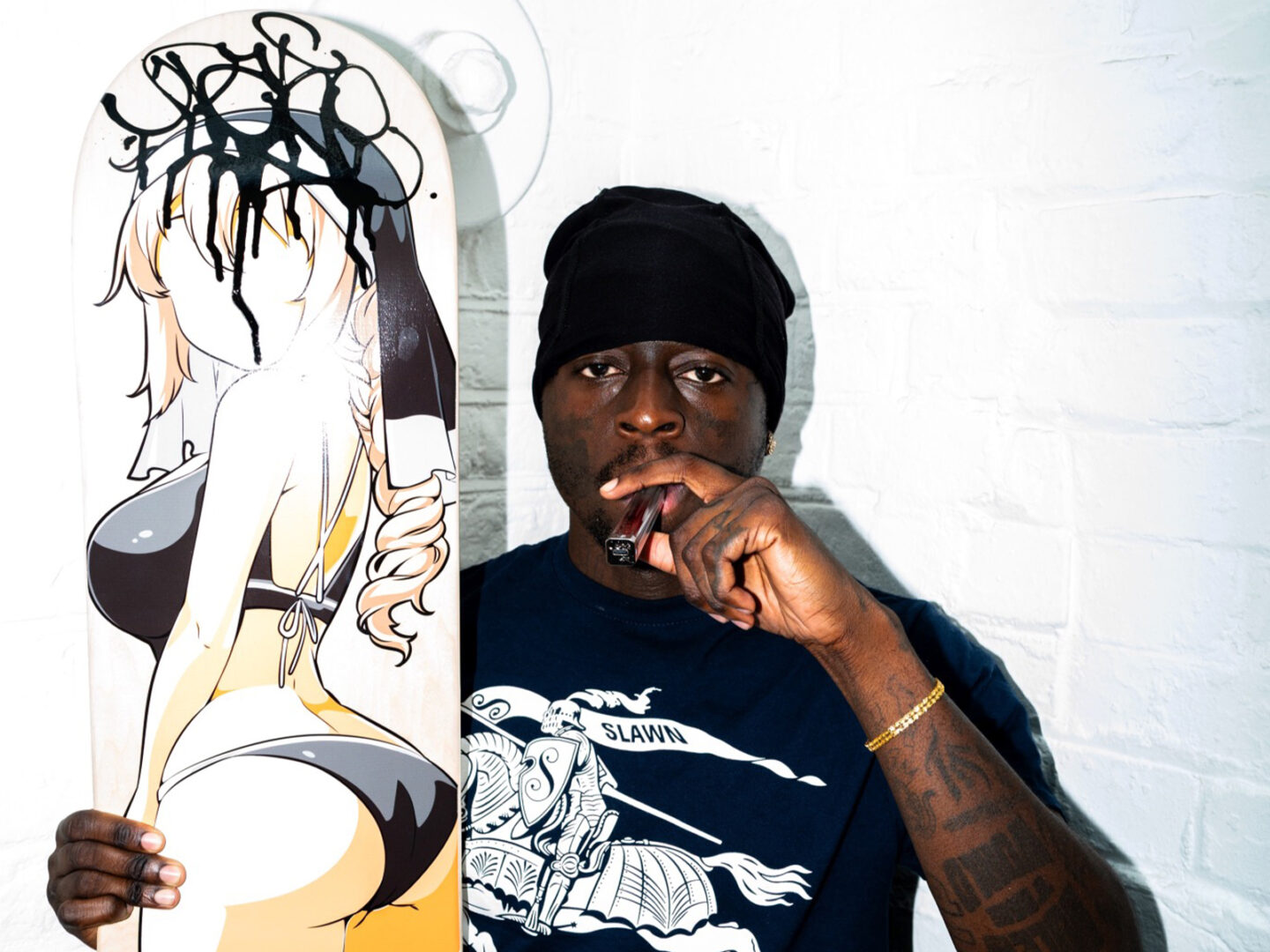
Duchamp placed a urinal in a museum and shifted the focus from the object to the idea. Warhol turned mass consumption into a work of art through his Campbell’s soup cans. Maurizio Cattelan taped a banana to a wall and sparked a global meme. So far, so good: provocation is also a function of art.
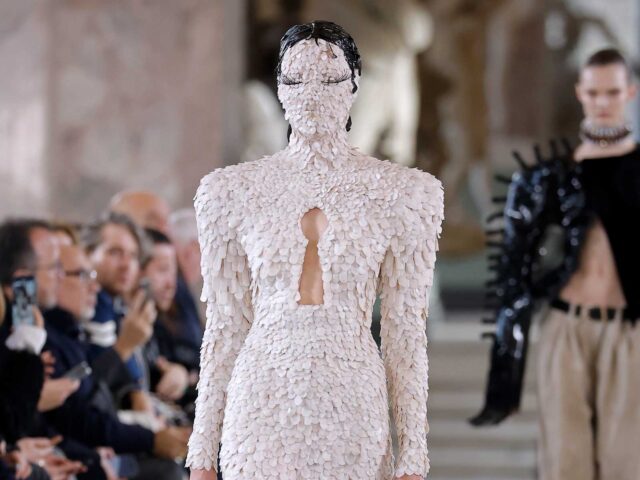
The internet has accelerated this trend to the point where it has become an almost automatic language. Today, everything aspires to be art: a campaign, an immersive dinner, a pop-up, an editorial, even well-executed branding. And rather than opening up possibilities, this constant elevation ends up generating a certain fatigue. Not so much because there are multiple interpretations, but because, amid this excess of meaning, it becomes increasingly difficult to know what to really think. Because when everything is conceptual, often nothing ends up being so. The concept ceases to be a critical tool and becomes an aesthetic alibi.
A mediocre piece with a good statement seems to have more legitimacy than an excellent piece without an explicit discourse. Have we confused art with context? Does having arguments to explain a “work” automatically elevate it? Susan Sontag already warned in Against Interpretation about how the obsession with interpretation can replace the actual experience of the work. Today it almost seems mandatory to consume the caption before the piece itself. Doesn’t this change our relationship with creation?
In the past, we would encounter a work of art and ask ourselves what it made us feel, what it evoked in us almost immediately, without the need for intermediaries. Now, however, it seems that the experience is contingent upon the creator’s interpretation, as if the meaning had to be explained in advance in order to be valid. We have moved from a more intuitive and emotional relationship with art to an experience mediated by discourse, where sometimes the stated intention matters more than the actual impact the piece generates.
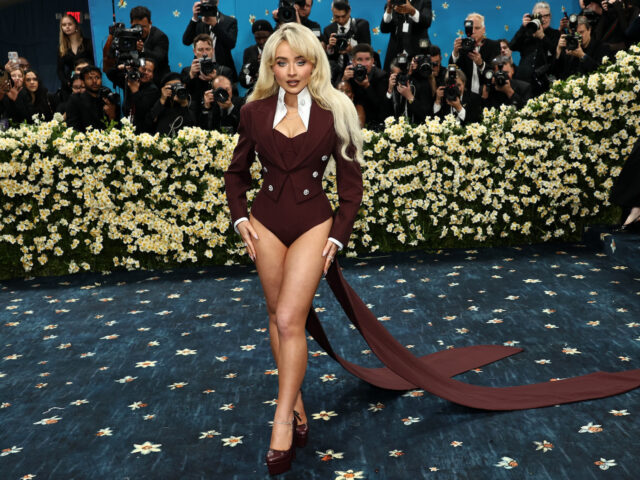
There is also a component of cultural branding. Saying that something is art lends it legitimacy, sophistication, and exclusivity. The word has become almost a premium label. We don’t buy clothes; we buy narratives. We don’t go to events; we have experiences. We don’t see campaigns; we consume visual art.
I don’t think the problem lies in mixing disciplines. Art has always masterfully and beautifully influenced fashion, music, design, and advertising. The problem arises when art ceases to describe a critical practice and begins to function merely as an aspirational adjective. It’s not about who decides what art is. If anything can be art, what distinguishes a work of art from a chance occurrence?
What if the real crux of the matter isn’t the democratization of art, but the trivialization of the concept itself? Because when everything can be presented as art, the question ceases to be who has the right to define it, but rather what value it holds when it serves to name or justify absolutely everything?
Sigue toda la información de HIGHXTAR desde Facebook, Twitter o Instagram
You may also like...