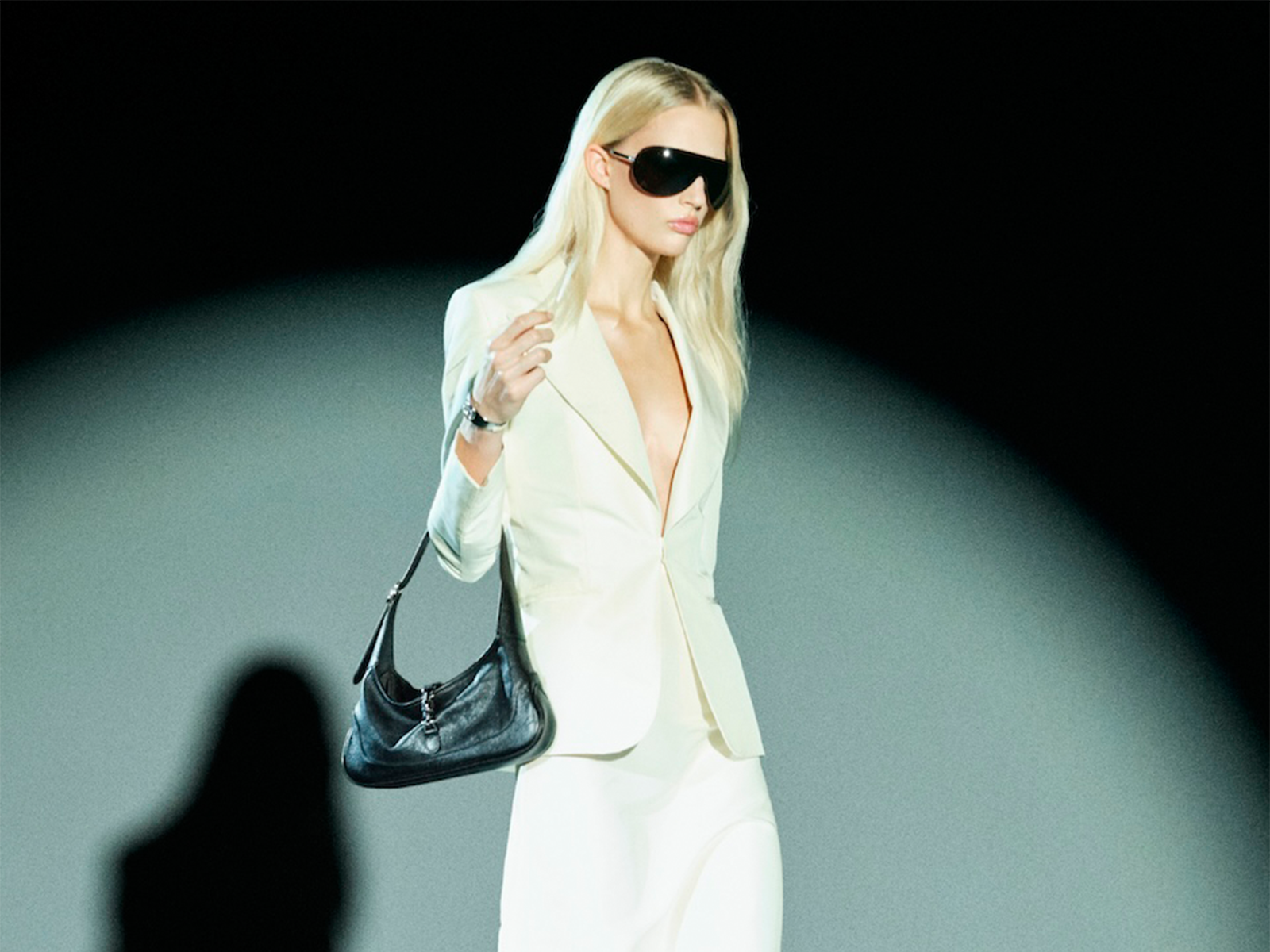
There’s a quote from Dolly Parton that sums up pretty well where fashion and the luxury world are headed this year: “It takes a lot of time and money to look that cheap, honey.”
The quote is brilliant because it says something we’ve known all along: bad taste has always sold. Shiny tracksuits, gold chains, giant logos, sports sunglasses, outrageous nails. An aesthetic associated with the ghetto, with excess, with a way of aspiring to luxury that’s too flashy for many people’s taste. From Paris Hilton to Cardi B…
In 2024 and 2025, it seemed like everything was going to revolve around silent luxury. Sweaters that look ordinary until you touch them and discover they’re made of Loro Piana cashmere and cost as much as a month’s rent. An aesthetic without logos, without noise, without anything to prove. Strongly influenced by the imagery popularized by Succession, where the truly wealthy seem to dress almost anonymously. But now it seems that being chav is cool again. Just ask Demna…
Glitz, visible logos, symbols of power, outfits that scream “I’ve got money” before you even open your mouth. You see it in who’s sitting in the front rows, in the digital creators invited to fashion shows, or in the aesthetic of many artists who are now part of the cultural conversation.
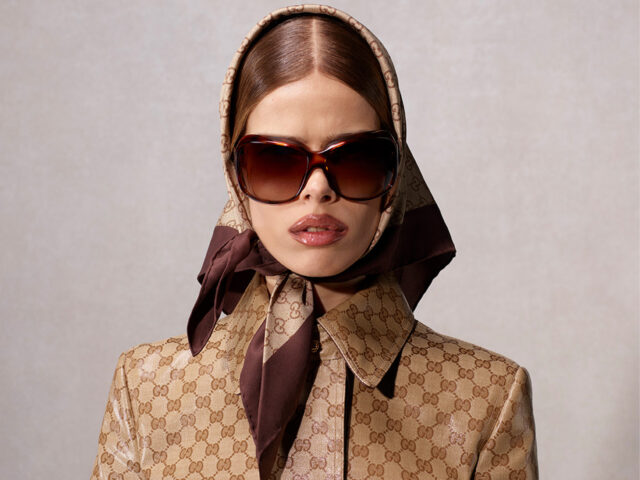
Demna’s recent arrival at Gucci confirms this. After spending years at Balenciaga building an aesthetic based precisely on appropriating marginal, exaggerated, or outright tacky codes, his arrival at Gucci confirms something quite obvious: luxury continues to look to the street for inspiration. And there is a rather natural connection to that excess.
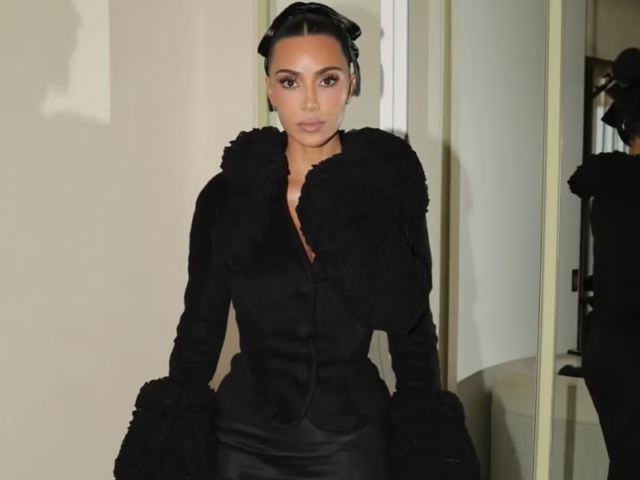
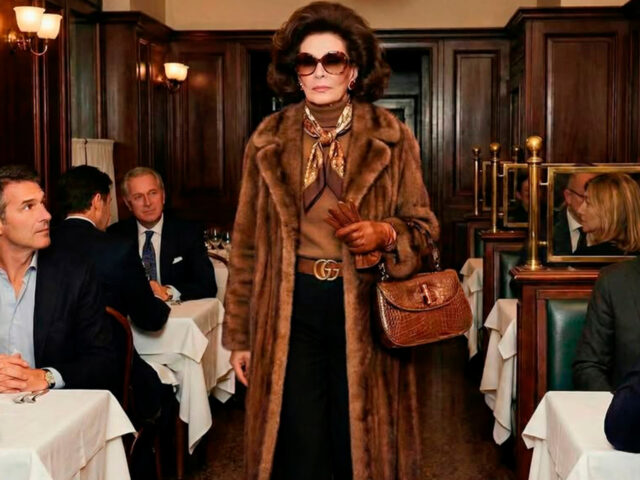
Because there are brands capable of connecting completely different worlds. A good example is Gucci. On one hand, there’s Kim Kardashian, likely one of the key architects of the contemporary luxury imagination, where excess, logos, and spectacle are part of the visual language. On the other hand, there’s Rebeca Jiménez, a figure from the television universe of Los Gipsy Kings, where Gucci also constantly appears as an aspirational symbol. And it doesn’t matter if you got that cap at the store on Serrano or at the flea market.
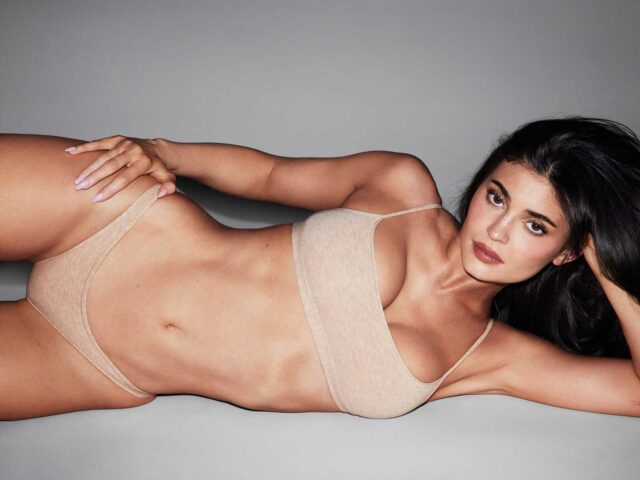
And that same aesthetic is also evident in other areas of today’s pop culture. In recent years, artists like La Zowi and Bad Gyal have built an entire aesthetic around that excess: XXL nails, visible logos, over-the-top glamour, a mix of aspirational luxury and street codes that for years was seen as tacky and is now legitimized within fashion. It’s no coincidence that this same aesthetic is also beginning to occupy front rows and spaces within the system itself.
And that’s where the phenomenon gets interesting. Because contemporary luxury rests on two distinct things: On one hand, there’s the business. Brands need to sell handbags, accessories, perfumes, ready-to-wear. Without revenue, there’s no production or growth. But on the other hand, there’s culture—blessed culture. And culture is what generates desire.
Many of the people shaping that cultural imagination today—rappers, digital creators, internet personalities—aren’t necessarily the customers who sustain the luxury business. But they do help keep the aspiration surrounding the brand alive. Otherwise, what’s the point of bringing together Giorgina Rodriguez with Fakemink and Kaytranada at a fashion show for one of the oldest luxury brands of our time?
In fact, many of the people who identify with that flashy aesthetic probably don’t buy the original product. They might buy perfumes, secondhand items, or even knockoffs. But that’s nothing new either. Because luxury has never needed everyone to buy; it just needs everyone to desire it and to live in the same fantasy that it feeds.
Perhaps that’s why the legitimization of the “cani” subculture within fashion isn’t as strange as it might seem. Quiet luxury belongs to those who have held power for a long time. But loud luxury—the kind that shines, that shows off, that wants to be seen—has always been linked to those who want to prove they’ve made it. That’s why neighborhood rappers pose for photos decked out in chains, wads of cash, and bags covered in logos. To prove they’ve made it.
And in that realm, the chav aesthetic has never been as far from luxury as it seemed a few months ago, when the only conversation was about quiet luxury and being demure. Because in the end, as Dolly Parton said years ago, looking cheap can be much more expensive than it seems. And the industry feeds off that, too.
Sigue toda la información de HIGHXTAR desde Facebook, Twitter o Instagram
You may also like...