The world is changing at breakneck speed, and change requires adaptation. The Internet has made possible a second reality, an alternative to the world in which we physically walk.
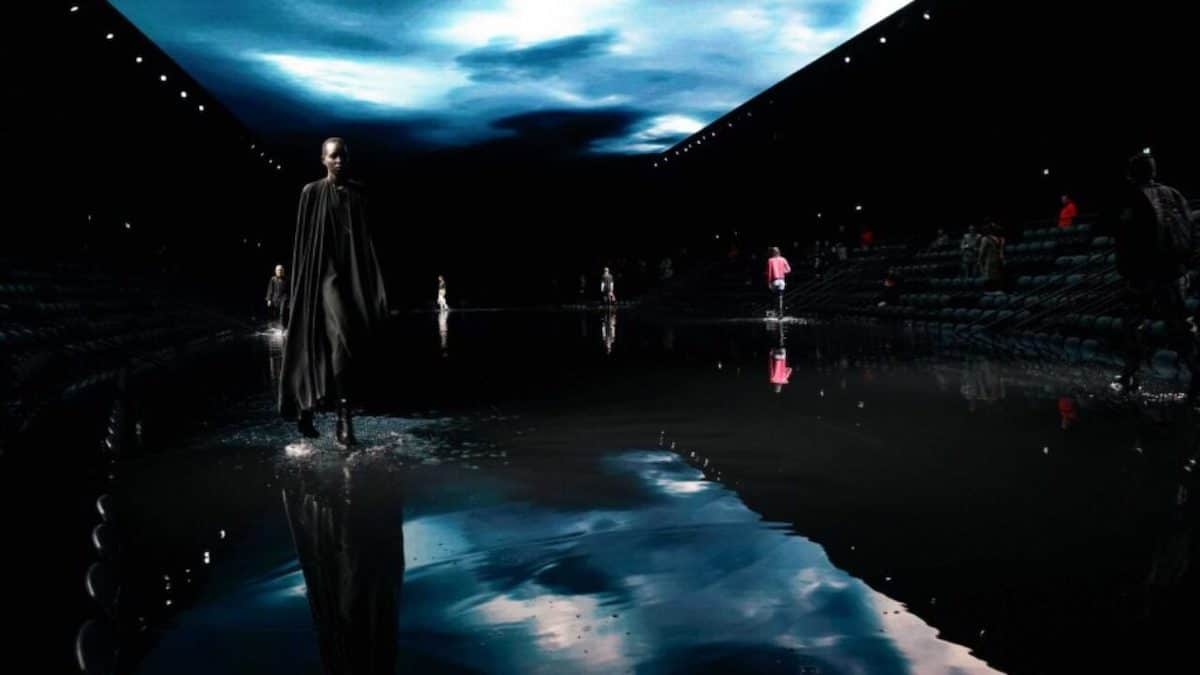
This reality, the online world, offers many advantages that come to light when the real world suffers a shock. The closest case in point is the Coronavirus crisis. It is not surprising that, faced with the abrupt halt it brought, brands have seen virtual reality as an effective alternative to the catwalks.
Nor is it unusual that, although the pandemic is thriving and physical events such as fashion weeks have begun to take place, the virtual proposals have remained. Of course, the economy does not recover so quickly, and the virtual option is an attractive alternative in this respect. This makes it likely that online events are here to stay.
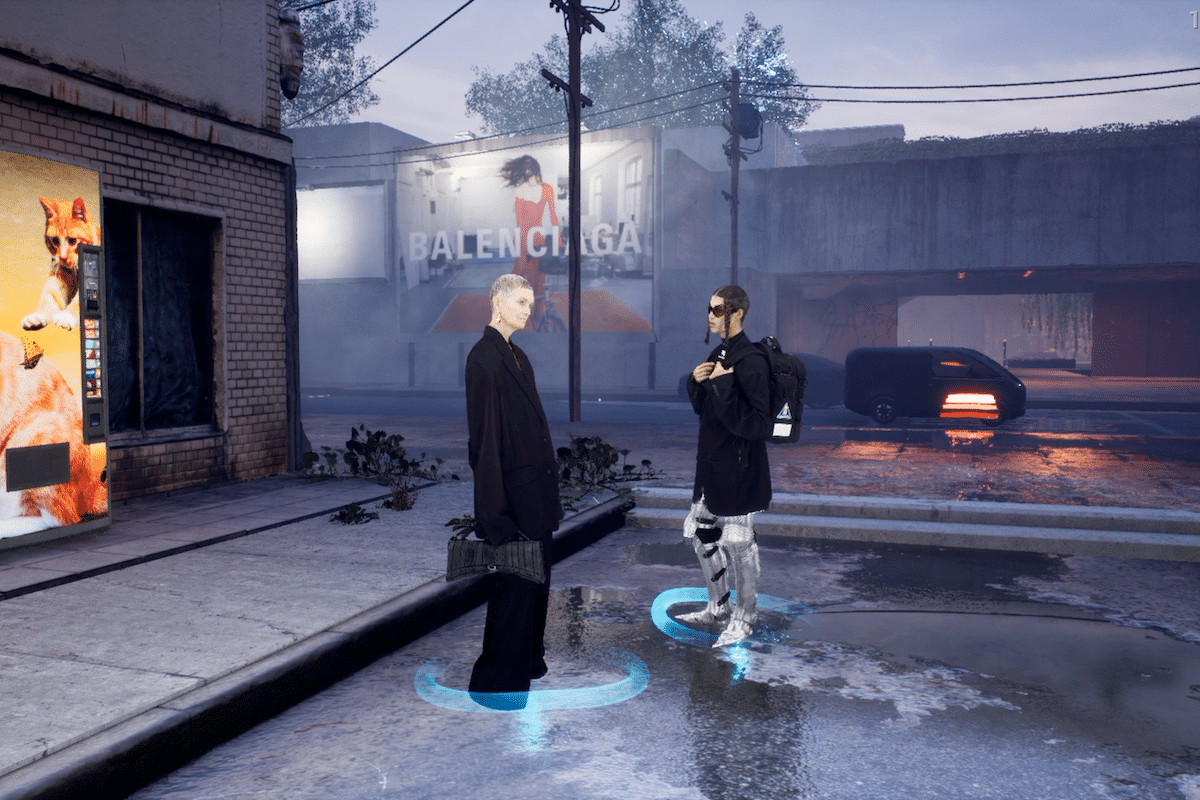
These new circumstances have led fashion to explore a new reality that offers a range of possibilities. Because if there is one thing that characterises the online world, it is that it makes possible everything that is frustrated in the offline world. It is not surprising, therefore, that the new collections have a strong futuristic and utopian or dystopian component, such as the one presented by Balenciaga in 2020 through the video game “Afterworld: The Age of Tomorrow”.
The firm proposed, through the video game, a journey to 2031. In the first instance, it showed a decadent world that was transformed into a more harmonious place as the game progressed. In this case, virtuality has provided an ideal space for reflection on sustainability and nature in the future.
Perhaps one of the most striking advantages of virtual formats is that they offer new creative modes of expression that in turn make fashion a much more versatile and varied discourse. The video game sector, which has more and more users every day, has been one of the targets on which fashion has focused.
During the pandemic, “Animal Crossing: New Horizon” was a counter where brands such as Marc Jacobs or Valentino showed their new collections, allowing any player who had the code to unlock them to access them for free. League of Legends, Pokemon GO and The Sims are other examples of the symbiosis between video games and fashion.
This way of presenting collections encompasses a much wider market, bringing fashion from the catwalks into users’ homes or wherever they play. As well as making it more educational and accessible, multiplayer platforms offer a shared experience that can benefit fashion in terms of creating a global dialogue around it; shifting the main focus of the game, or at least putting it in second place.
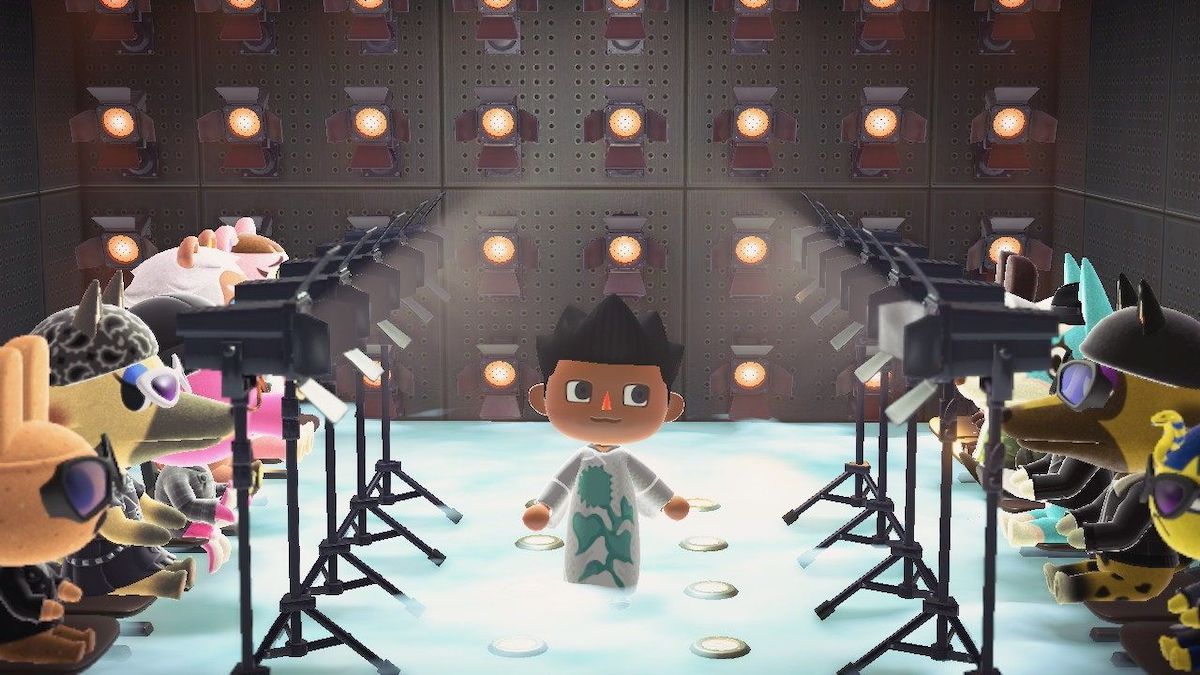
Fashion can become the main protagonist, when it was just a guest, and it can also attract a lot of people who had never thought of spending a moment of their time on video games.
Will the virtual world replace the catwalk? This question cannot be answered because it has already happened several times. We can be positive and hope that both scenes will complement each other and work synergistically. What will change is the conception of fashion. It is no longer so much its reality that matters as its concept, the universe it generates through the garments and the format it uses. This change of support will leave more room for content and for designers’ freedom to generate without barriers the universe that gives essence to the brand.
Sigue toda la información de HIGHXTAR desde Facebook, Twitter o Instagram
You may also like...