Studio Ghibli has been telling stories for more than forty years, but it has also changed the way we look at the world. It taught us that a little girl could face a universe of spirits without having to become a superheroine, that a forest could have a personality of its own, and that watching the grass sway in the wind could be just as thrilling as any action scene. Now, the Japanese studio has been awarded the 2026 Premio Princesa de Asturias de Comunicación y Humanidades. Let’s take a look back at its milestones.
Founded in 1985 by Hayao Miyazaki, Isao Takahata, and Toshio Suzuki, Studio Ghibli built a creative universe that would go on to become one of the great cultural landmarks of our time. Its influence isn’t limited to films like *Spirited Away*, *My Neighbor Totoro*, or *Princess Mononoke*. It’s present in contemporary aesthetics, fashion, video games, and that collective fascination with finding beauty in seemingly insignificant things.
In an increasingly fast-paced industry, Ghibli has historically championed an almost radical idea: not everything needs to happen right away. Its films are filled with moments of silence, landscapes that seem to breathe, and characters who cook, eat, wait, or simply observe. Scenes in which nothing seems to be happening, and yet something fundamental is taking place. They force us to pay attention.
irar, , esperan o simplemente observan. Escenas en las que aparentemente no pasa nada y, sin embargo, sucede algo fundamental. Nos obligan a prestar atención.
This philosophy is closely tied to the Japanese concept of ma, which refers to the interval, the pause, and the space between events. In Miyazaki’s films, these moments are not merely a device to pad out the runtime, but an essential part of the narrative experience. In contrast to the overstimulation that dominates much of contemporary entertainment, Ghibli reminds us that contemplation can also be a form of resistance.
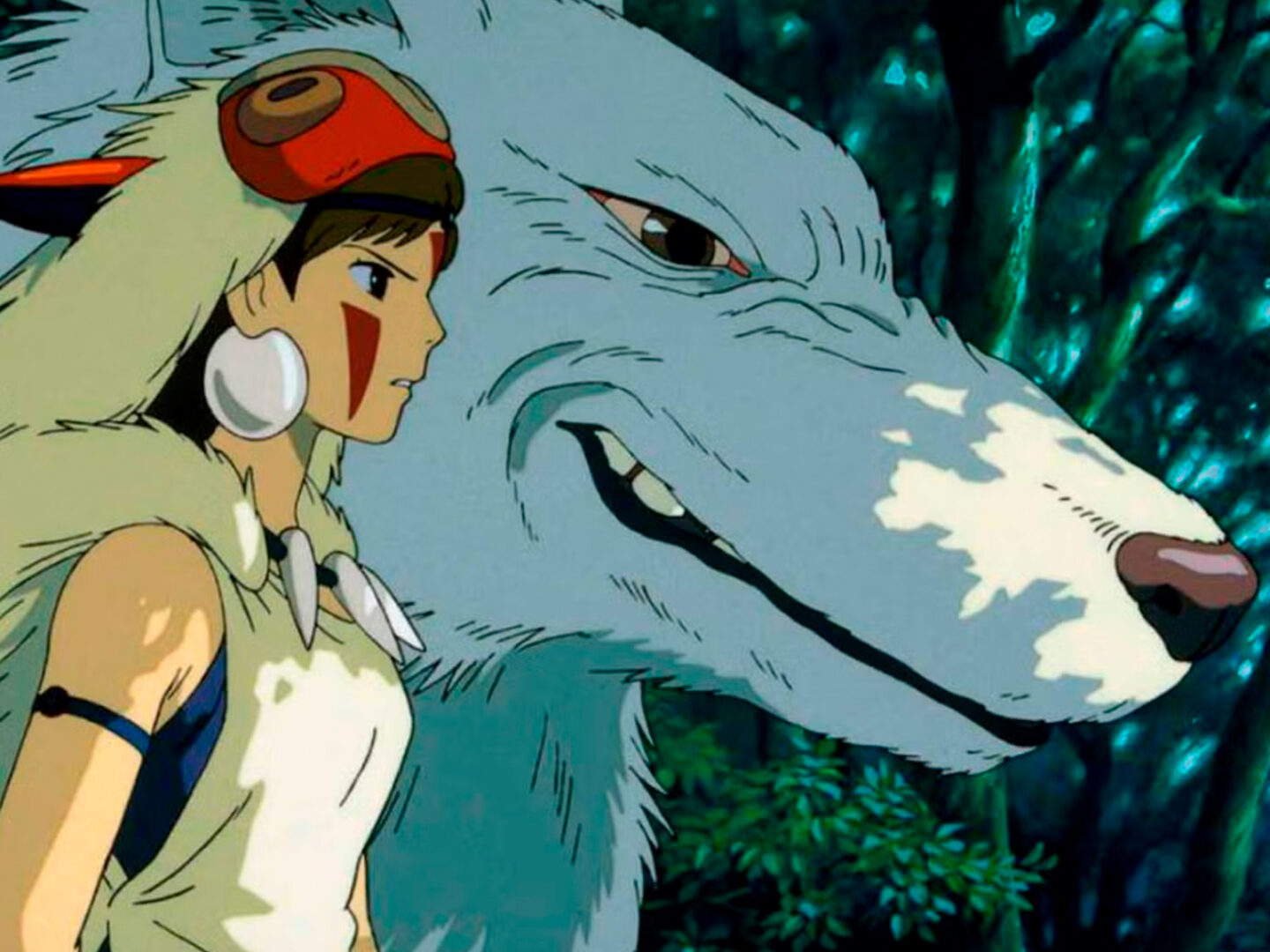
But its revolution has not been merely aesthetic. Long before sustainability became a recurring theme in advertising campaigns, films such as *Nausicaä of the Valley of the Wind*—which predated the studio’s founding—and *Princess Mononoke* explored deeply environmentalist conflicts. Nature was not portrayed as a mere backdrop to be protected, but as a complex, powerful organism capable of responding to human violence. And it did so without necessarily reducing its stories to a simple division between good and evil.
Something similar happens with its female protagonists. Chihiro, San, Kiki, and Sophie do not fit the traditional archetype of the princess who needs to be rescued. They are complex, vulnerable, and brave characters whose development does not depend on a romantic storyline. Instead of creating perfect heroines, Ghibli allowed its protagonists to be human. And it did so long before discussions about female representation became a standard strategy for major film and television studios.
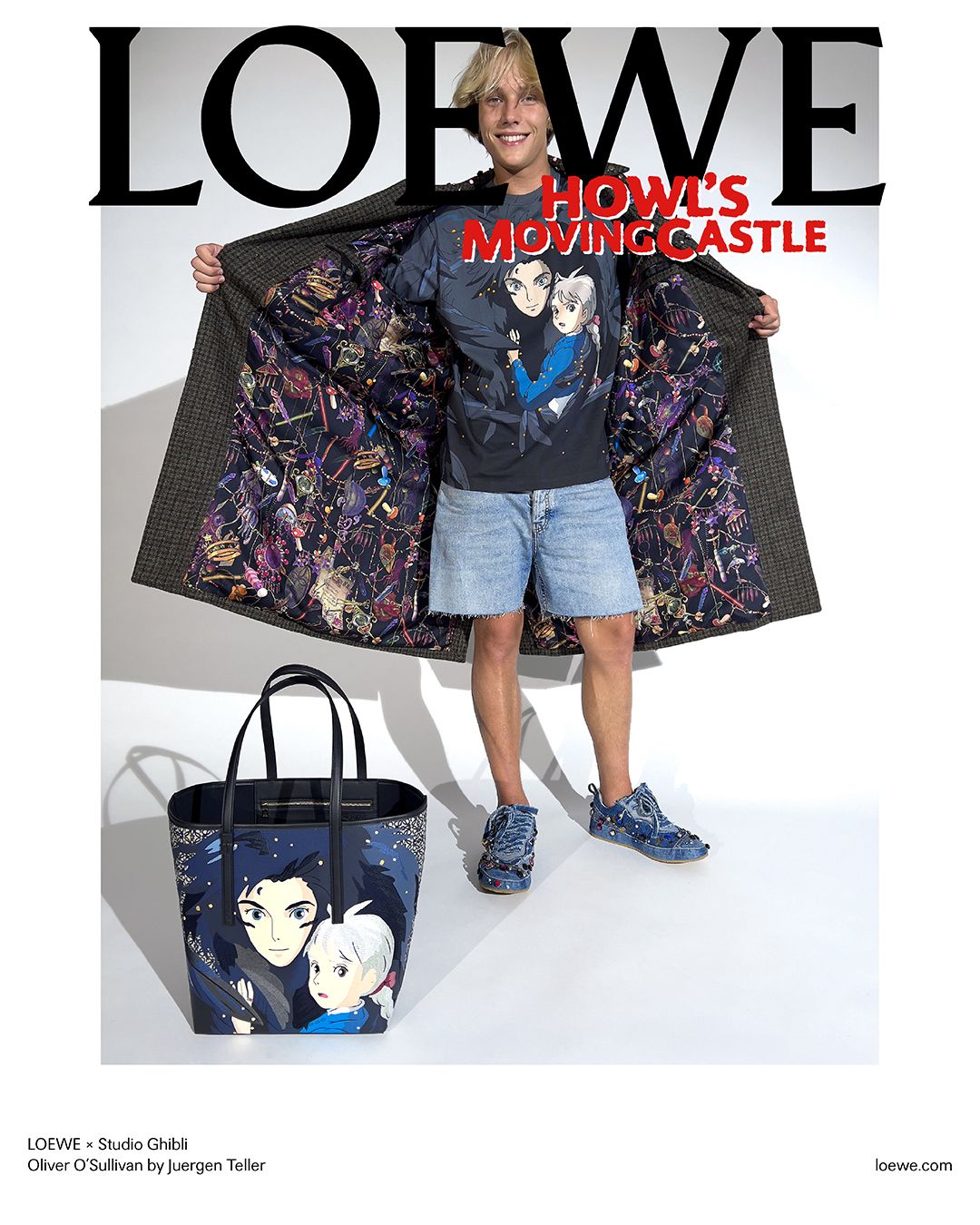
That ability to create a recognizable visual world also explains why Ghibli has ended up making inroads into industries seemingly far removed from animation. Between 2021 and 2023, LOEWE brought the worlds of My Neighbor Totoro, Spirited Away, and Howl’s Moving Castle to life in fashion and accessory collections under the creative direction of Jonathan Anderson. The characters appeared on Puzzle bags, embroidered garments, and intricate leather goods. More than just a merchandising campaign, the collaboration demonstrated that the craftsmanship of a luxury house and Japanese animation could share a common language.
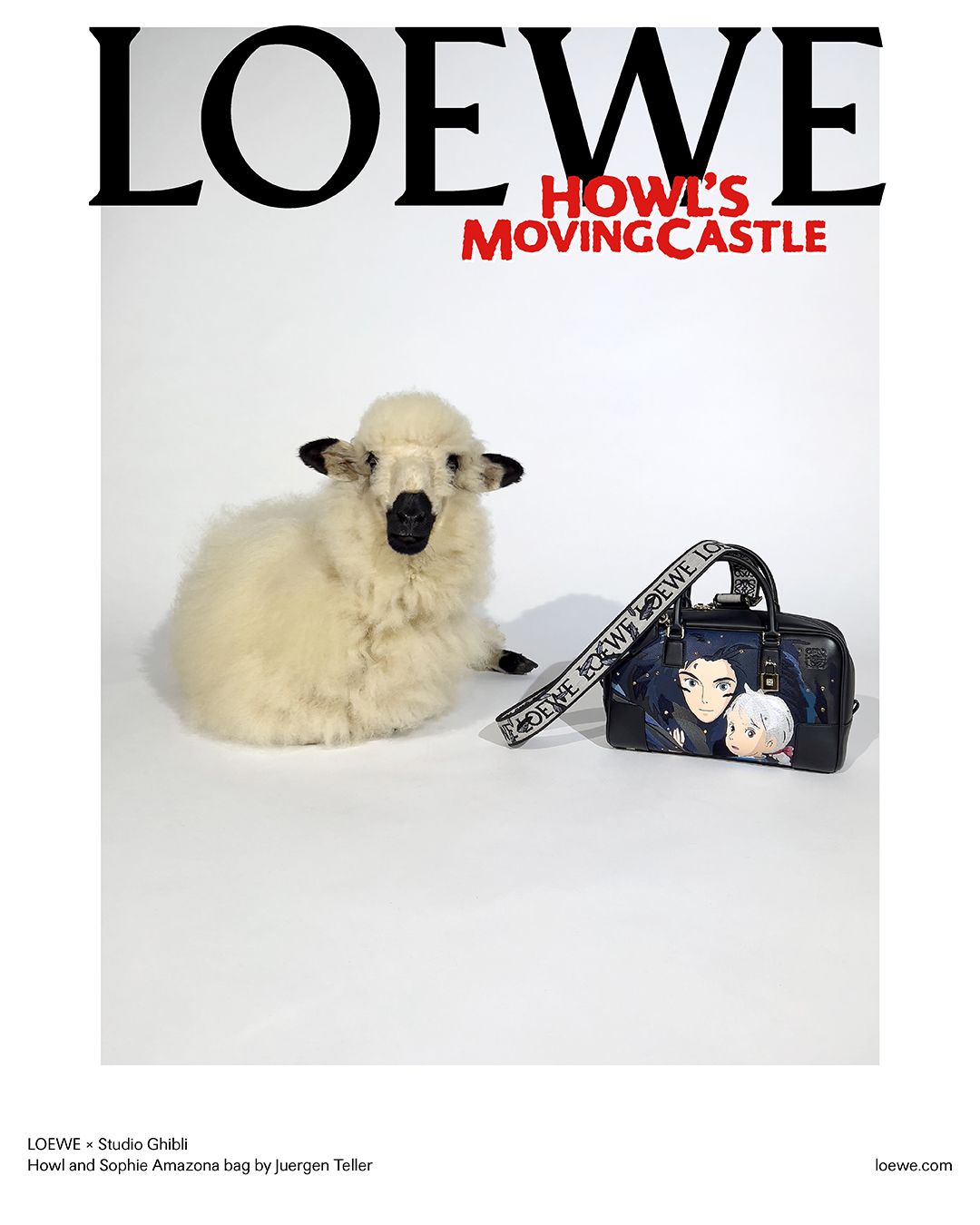
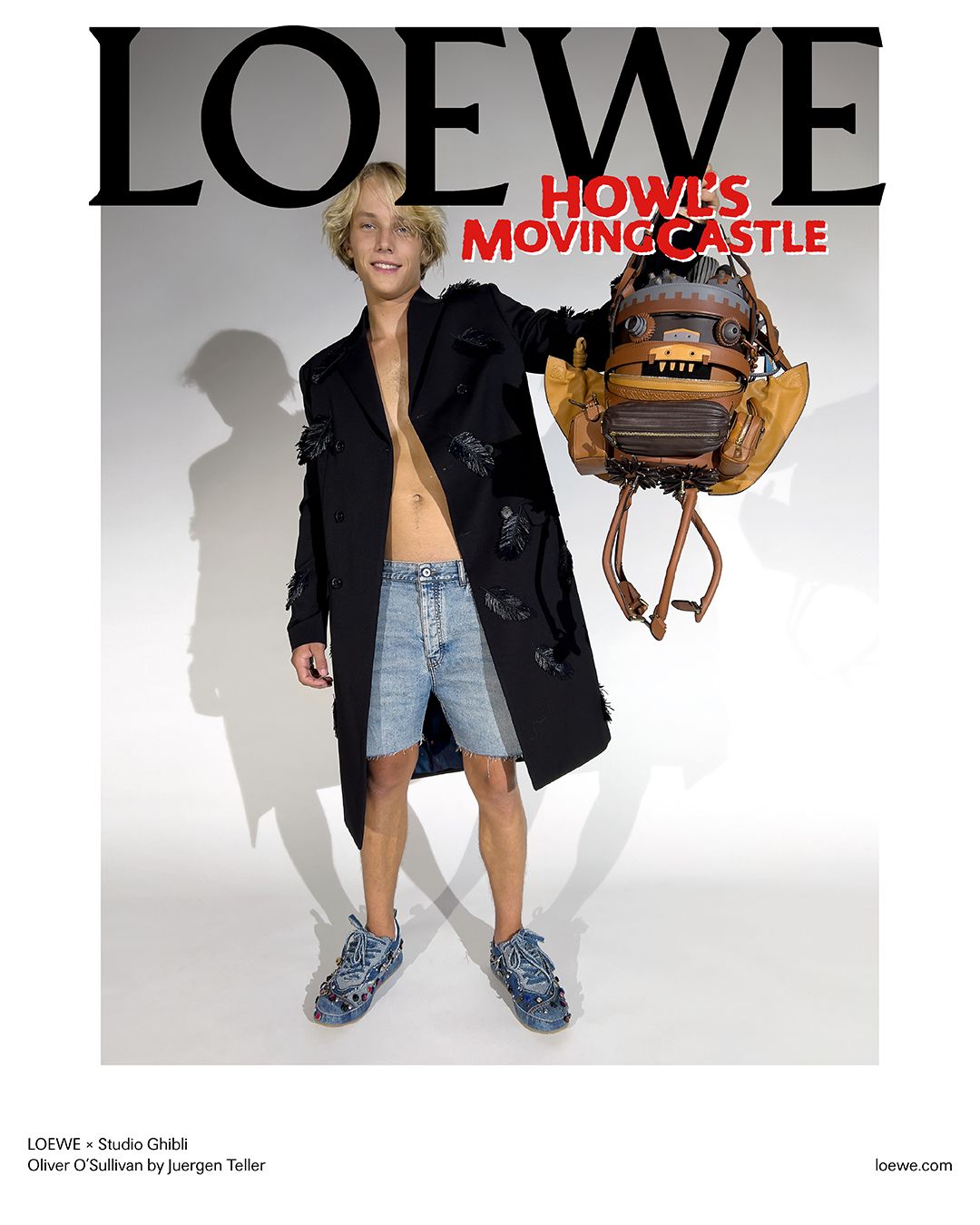
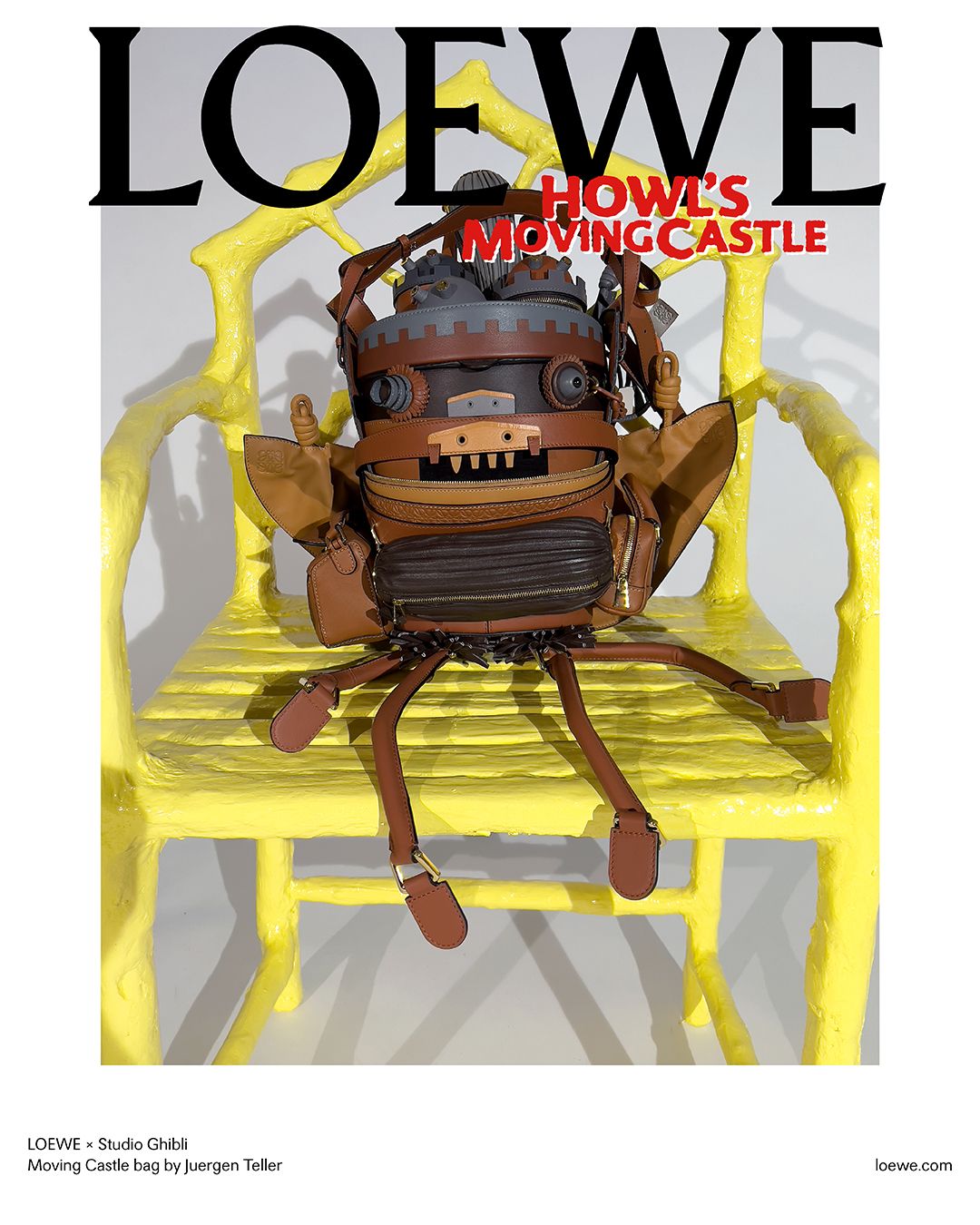
Its legacy has also extended to video games. The collaboration with LEVEL-5 on *Ni no Kuni* made it possible to bring part of its visual universe into an interactive medium, proving that its landscapes and characters could exist beyond the movie screen. Ghibli ceased to be merely an animation studio and became an aesthetic language recognizable to generations who weren’t even born when its first films were released.
And perhaps that is where another of its great contributions lies. Now that everything comes and goes in a matter of weeks, it’s refreshing that Studio Ghibli has built an identity that stands the test of time. Its colors, skies, domestic interiors, and landscapes have become recurring references in the digital imagination. It’s an aesthetic that the internet reproduces, reinterprets, and—unfortunately, at times—reduces to a succession of pretty pictures, stripped of the narrative complexity that gave rise to them.
This paradox becomes particularly relevant amid the rapid expansion of AI. Today, it’s relatively easy to produce images reminiscent of Miyazaki’s world. What’s truly difficult is reproducing what makes them meaningful: the intention behind each scene, the relationship between the characters and the world they inhabit, or that ability to find emotion in the everyday. Because while the aesthetic is easier to replicate, simply doing so doesn’t mean you’re capturing his sensibility.
The Princess of Asturias Award recognizes precisely this humanistic dimension of his work. It is not merely a matter of honoring a career in film, but of recognizing that animation can also be a tool for reflecting on society, memory, war, childhood, or our relationship with the planet.
Perhaps Studio Ghibli’s greatest achievement is not that it created some of the most beloved characters in the history of cinema, but that it taught us to notice the things we normally overlook. In a world that seems to demand that we constantly produce, consume, and move forward, its films continue to champion an idea as simple as it is revolutionary: that living also means taking the time to look around.
Sigue toda la información de HIGHXTAR desde Facebook, Twitter o Instagram
You may also like...