Zuckerberg’s metaverse orbits at the centre of the global conversation. This immersive virtual world is now presented as the great evolution of social connection to “improve the quality of human relationships”. Everyone is talking about it, but really, what is it, and what is behind the “Meta” platform? We try to decode it.
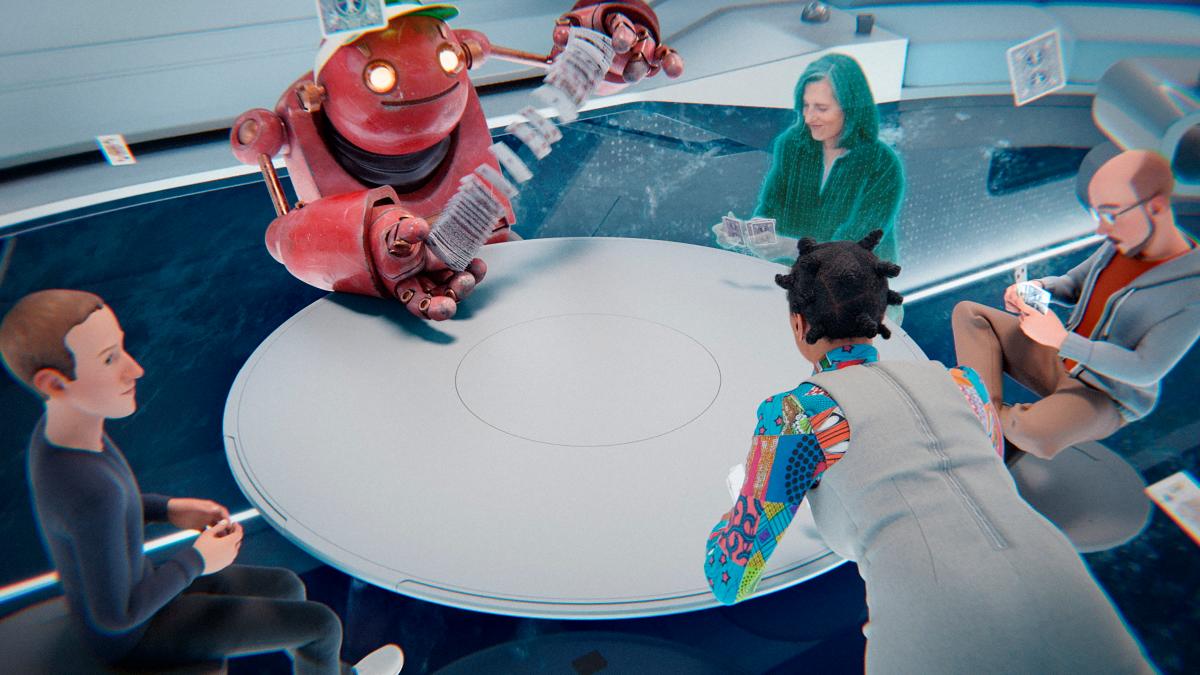
Through the “Meta” platform, reality once again surpasses fiction with a concept with which Mark Zuckerberg‘s bot is trying to clean up its image after the “Facebook Files” scandals. These internal folders were opened to reveal everything we probably already knew: the massive theft of data, the lack of ethics and security, or the toxicity of the social network for mental health.
Millions of dollars have been invested in this new kind of radical update of The Sims or 3D reality in the process of being built, both by Zuckerberg, Microsoft, and a network of some ten thousand people. An exorbitant sum that will go towards developing a virtual space with immersive experiences in which everyone can connect to play, watch, meet and share content.
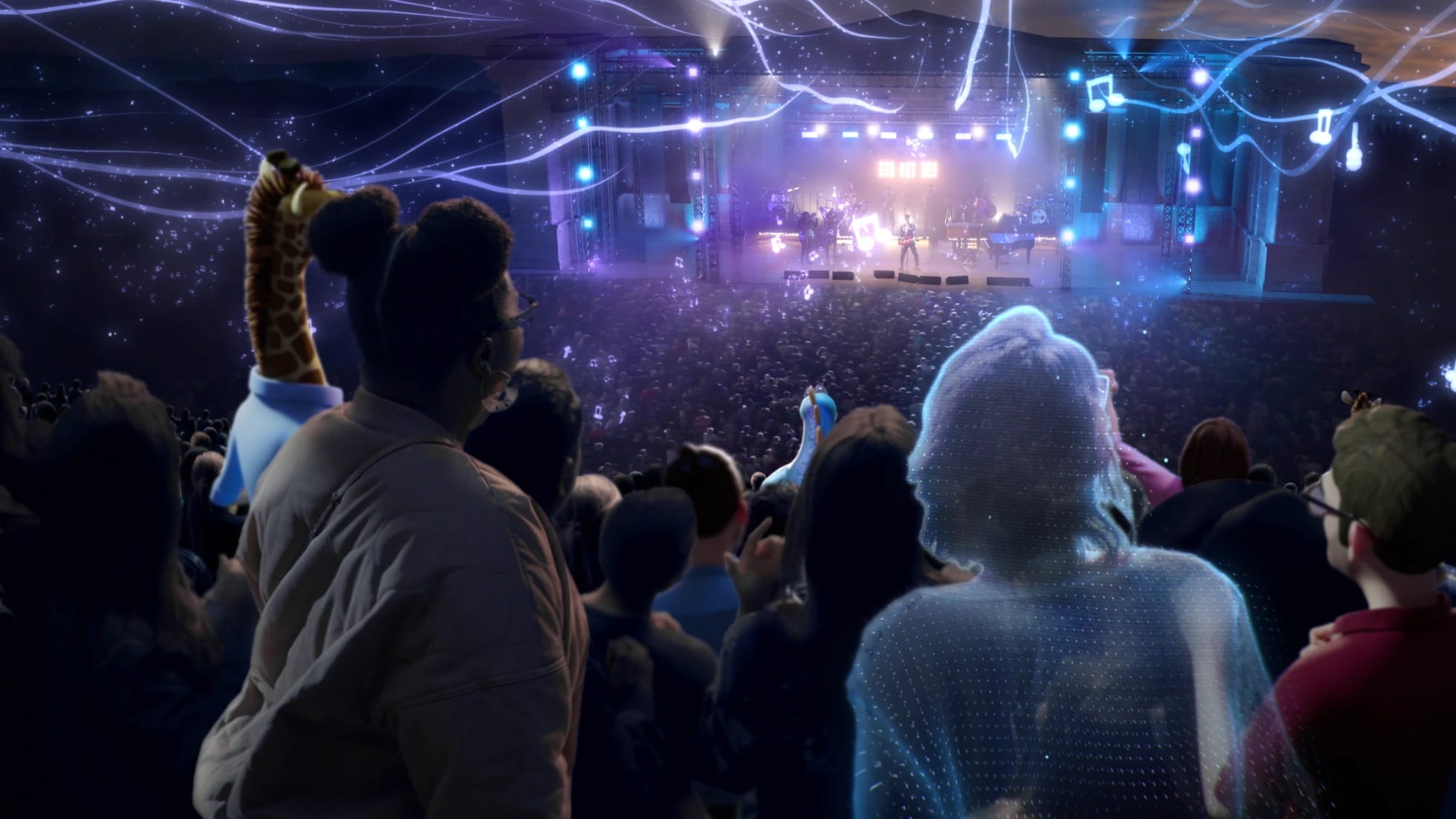
In this sense, the concept of the “metaverse”, which first appeared in 1992 in the futuristic novel “Snow Crash“, alludes to this digital universe in which humans interact as avatars in the same alternative reality that uses the metaphor of real life. One in which, behind the idyllic, neoliberal problems such as structural capitalism, hate crimes or mental problems are hidden. To name but a few.
BRANDS AND THE METAVERSE
The metaverse is becoming the next big thing in the world of investment and brands are seeing a golden opportunity to set up their virtual spaces within the platform.
The main idea is that we buy through these immersive experiences related to their products and services. This is something that companies like IKEA have already experimented with, allowing users to virtually try out their furniture at home. Not to mention games such as Fortnight or Roblox, which offer events such as virtual concerts in their digital offerings.
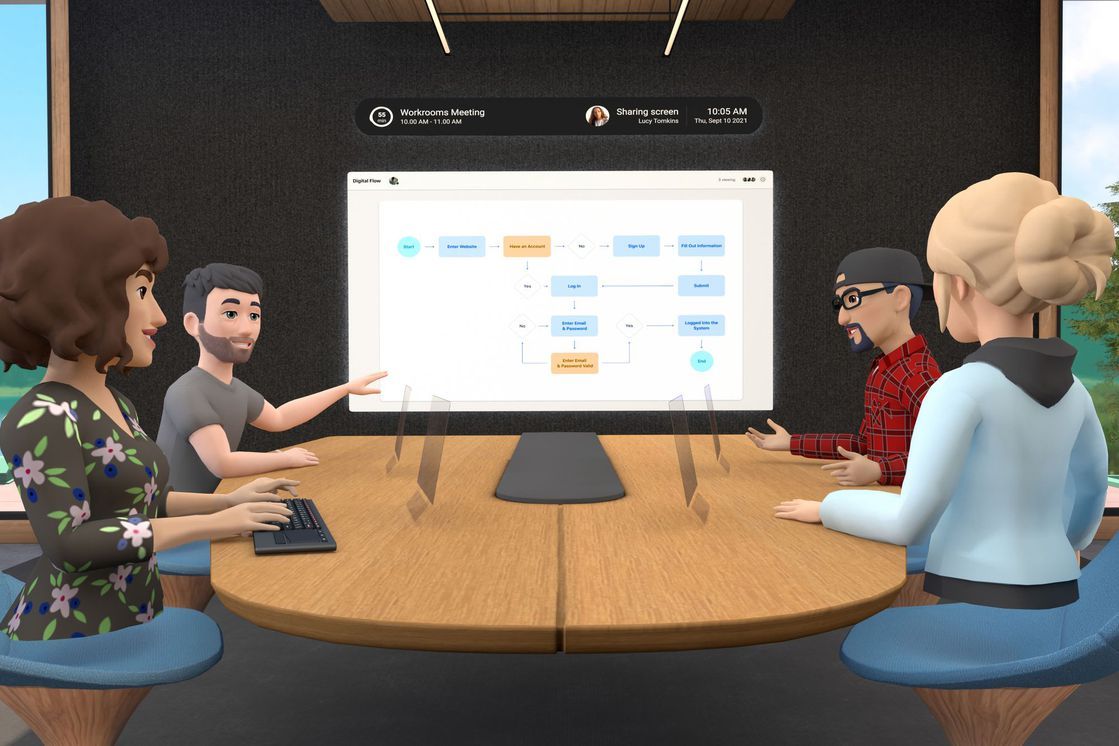
Meta thus romanticizes the technology like the rest of those analogue platforms such as “Decentraland” – where it is possible to visit exhibitions or play in the casino – which evoke the spirit of the metaverse, to make us once again the product. Of course, we won’t be in control here either.
Thus, in ten to fifteen years’ time, we will be able to use augmented reality glasses to enter this new universe in which we can walk, work, go out or buy property. All the activities present in the real world will be replicated in this metaverse, which seems to project a dystopia rather than a virtual Eden. And you, what do you think about it?
Sigue toda la información de HIGHXTAR desde Facebook, Twitter o Instagram
You may also like...